


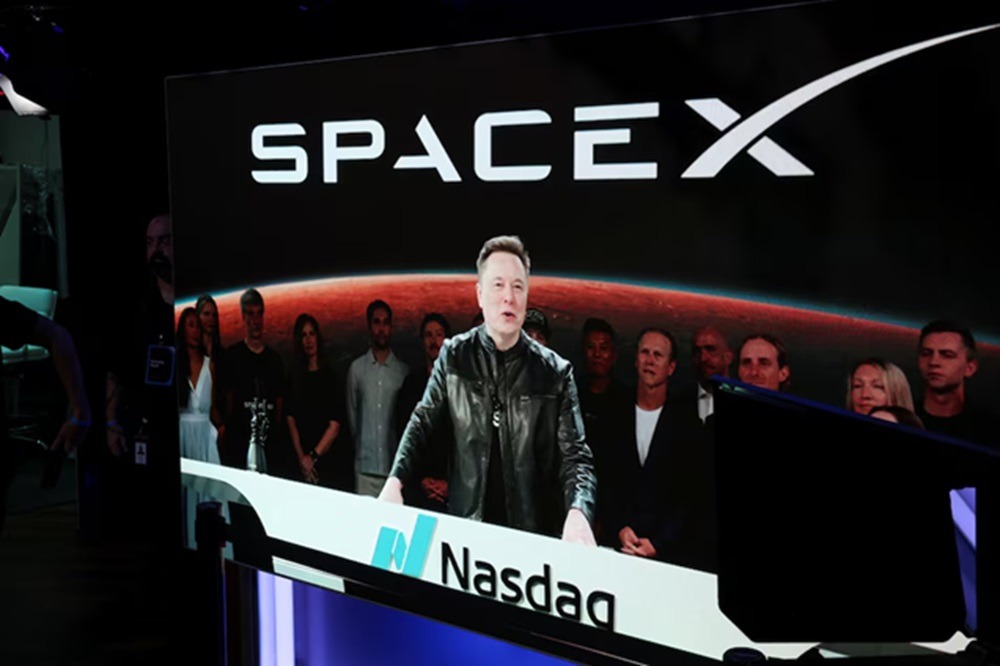
Elon Musk’s proposal to give every child in the United States a share in SpaceX has raised questions about how the initiative would work and whether it could turn young recipients into lifelong supporters of the billionaire’s aerospace company.
Musk announced the proposal on his social media platform, X, on Monday, presenting it as a move to give the next generation a stake in the future.
However, Barbara Friedman, Primedia+’s viral content correspondent, has questioned whether the plan could also serve as a long-term marketing strategy for SpaceX.
Speaking on CapeTalk’s Views and News with Clarence Ford, Friedman estimated that distributing one share to each of the approximately 73 million children under 18 in the US could amount to about $10.7 billion, based on an estimated share value of $146.
She said key details about the proposed distribution remain unclear, including how the shares would be allocated and what arrangements would govern their ownership.
Friedman also highlighted a reported condition that children would not be able to sell their shares for the first five years. She argued that this restriction could encourage recipients to develop an emotional connection with SpaceX from an early age.
The proposal has also prompted scrutiny of the broader benefits Musk could derive from the initiative, including potential reputational and commercial advantages.
Friedman questioned whether the giveaway would ultimately be implemented, citing Musk’s history of making high-profile promises whose outcomes have been uncertain.
She contrasted the proposal with Anthropic’s reported plan to commit 5% of its shares to a public-benefit fund addressing the societal impacts of artificial intelligence, noting the different approaches technology companies are taking towards their social responsibilities.
While Musk has framed the initiative as an opportunity for children to participate in the future, its feasibility, ownership arrangements and final terms remain key unanswered questions.
The proposal places a spotlight on the intersection of financial inclusion, corporate influence and the role major technology companies may play in shaping the attitudes of the next generation.