



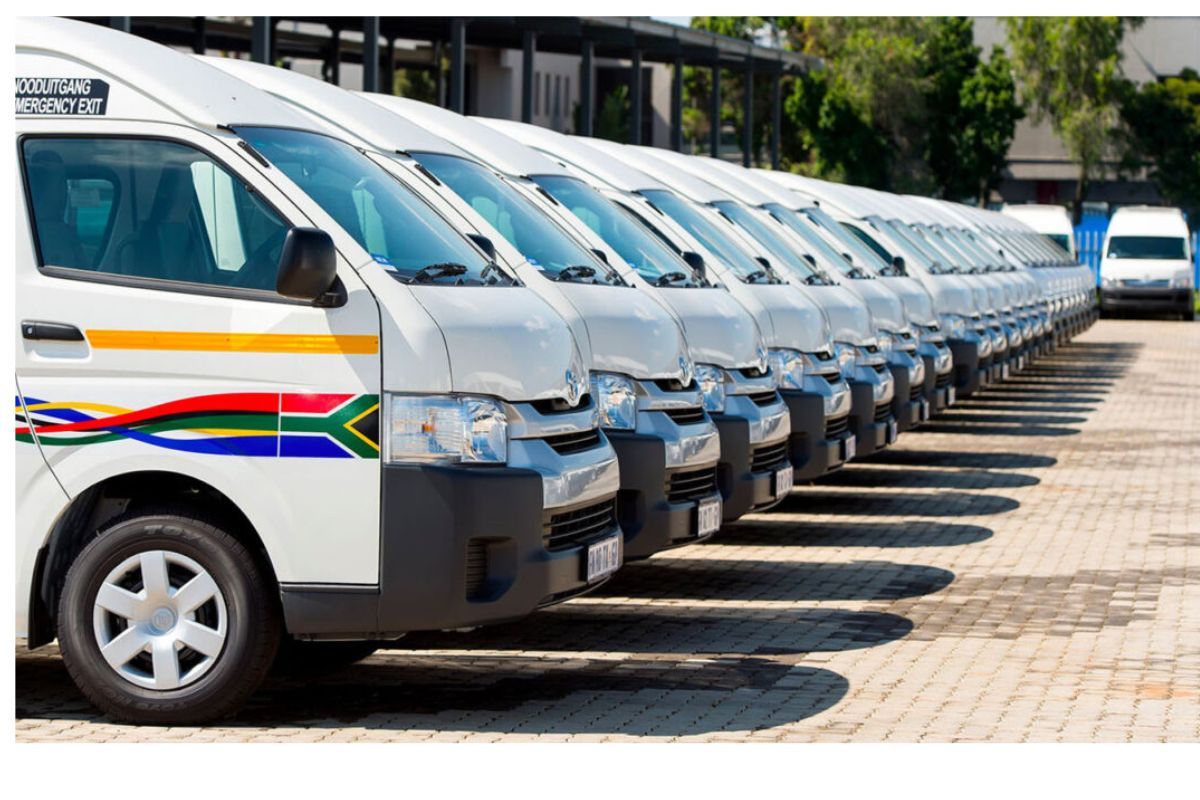
Taxi fares will not be hiked as a result of recent fuel price increases, at least for now.
This is after Finance Minister Enoch Godongwana announced a reduction of the fuel levy as part of a range of measures aimed at cushioning citizens against the effects of the rapid rise in fuel prices driven mainly by the war in the Middle East, particularly the blockade of the Strait of Hormuz by Houthi freedom fighters.
The fuel levy, announced by Godongwana on Wednesday, will be reduced by R1.50 per litre for petrol and R3.00 per litre for diesel from 4 November to 1 December 2026, with the relief set to continue at a reduced level from 2 December 2026 to 5 January 2027, with the levy expected to go down by R1.00 per litre for petrol and R1.50 per litre for diesel.
The taxi industry, through the South African National Taxi Council (SANTACO), had earlier deferred a decision on fares to look for alternatives.
The umbrella body welcomed Godongwana’s intervention, which it believes is a step in the right direction while more permanent relief is being sought for the industry and commuters.
“The Council assures commuters that there will be no immediate fuel-related fare increases while the industry continues to engage the government in pursuit of more sustainable, long-term relief measures. SANTACO recognises the importance of protecting commuters from additional financial strain while ensuring that taxi operators can continue providing reliable and accessible public transport services,” said SANTACO in a statement issued by spokesperson Rebecca Phala.
When deferring the decision on whether to hike fares, SANTACO said it was optimistic about possible inclusion in the public transport fund, which all along benefited only bus and rail operators: https://newsnote.co.za/taxi-industry-seeks-alternatives-to-avoid-hiking-fares/.
“SANTACO acknowledges this intervention as a welcome step towards easing the financial pressure currently experienced by the transport sector and South African commuters. The taxi industry remains particularly vulnerable to rising fuel prices, given the significant role fuel plays in daily operating costs and the provision of affordable public transport to millions of commuters,” said Phala.
Phala said SANTACO was optimistic that talks with the government would result in a long-term plan to cushion both the taxi industry and commuters.
“While the Council appreciates the temporary relief announced by the government, it maintains that short-term interventions alone cannot provide a lasting solution to the structural cost pressures confronting the taxi industry. The temporary nature of the relief, which is scheduled to conclude on 5 January 2027, underscores the need for continued engagement on measures that can sustainably cushion operators and commuters against volatile fuel prices,” she said.
Phala said the Council’s president, Abnar Tsebe, was directing associations to communicate the decision without confusion or unilaterally hiking fares.
“We call on all industry structures to communicate responsibly with operators and commuters as these engagements continue. SANTACO remains committed to constructive dialogue with the government in pursuit of practical, sustainable solutions that protect the interests of both taxi operators and the travelling public,” Tsebe is quoted as saying.