



North West MEC for Cooperative Governance, Human Settlements and Traditional Affairs, Gaoage Oageng Molapisi, says government appointments should be based on merit, skills and qualifications rather than political affiliation.
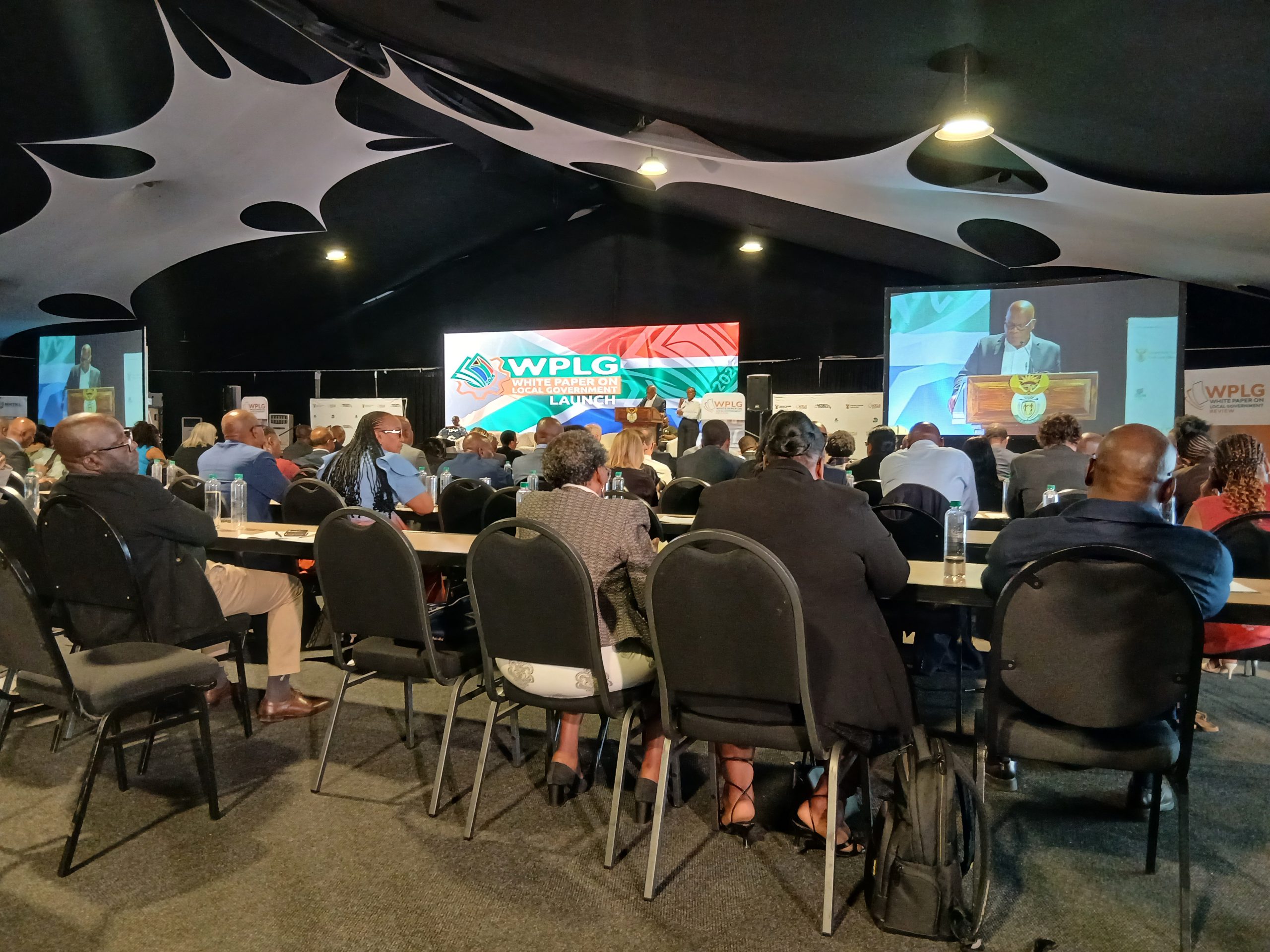
Molapisi was speaking at the launch of the Revised White Paper on Local Government at the Birchwood Hotel and OR Tambo Conference Centre in Boksburg, Gauteng, on Thursday.
He said government should prioritise the appointment of suitably qualified people with the necessary skills and capacity to serve in public office.
“It is important to us as government to appoint people based on meritocracy,” Molapisi said.
“We must appoint people based on their capacity, skills, qualification, not necessarily their political affiliation. That is important,” he added.
Molapisi also called for a differentiated approach to supporting municipalities, saying rural municipalities face different challenges from those with stronger revenue bases and greater institutional capacity.
He said the North West has about five key strategic municipalities with greater capacity, while many of the province’s remaining municipalities are rural and have limited revenue-generating opportunities.
“In the province where I come from, in the North West, we have about five key strategic municipalities, which are your capacity municipalities. The rest of your municipalities are rural municipalities with no revenue base,” he said.
“It would be important to categorise that and ensure that you treat municipalities based on their unique challenges and develop an approach in terms of the support that you need to give these municipalities.”
President Cyril Ramaphosa officially launched the Revised White Paper on Local Government, which seeks to address persistent challenges affecting municipalities, including financial management, institutional capacity and service delivery.
South Africa has 257 municipalities, comprising metropolitan, local and district municipalities. These municipalities differ significantly in their financial resources, administrative capabilities and ability to deliver basic services.
The revised policy proposes a differentiated approach that recognises the varying needs of metropolitan municipalities, secondary cities, rural areas and small towns, rather than applying a uniform model across the country.
The policy review comes amid continued concerns about municipal financial sustainability, governance failures and uneven service delivery in communities across the country.
The launch also includes an implementation plan and the establishment of a Transition Management Body to support the rollout of the revised policy. A research compendium outlining studies that informed the review is also being presented.
The revised White Paper is intended to provide a framework for strengthening local government and improving municipalities’ ability to respond to the needs of residents.

