



The City of Tshwane has reported progress in its efforts to stabilise water supply, with water gradually returning to households in parts of Garsfontein and Elardus Park.
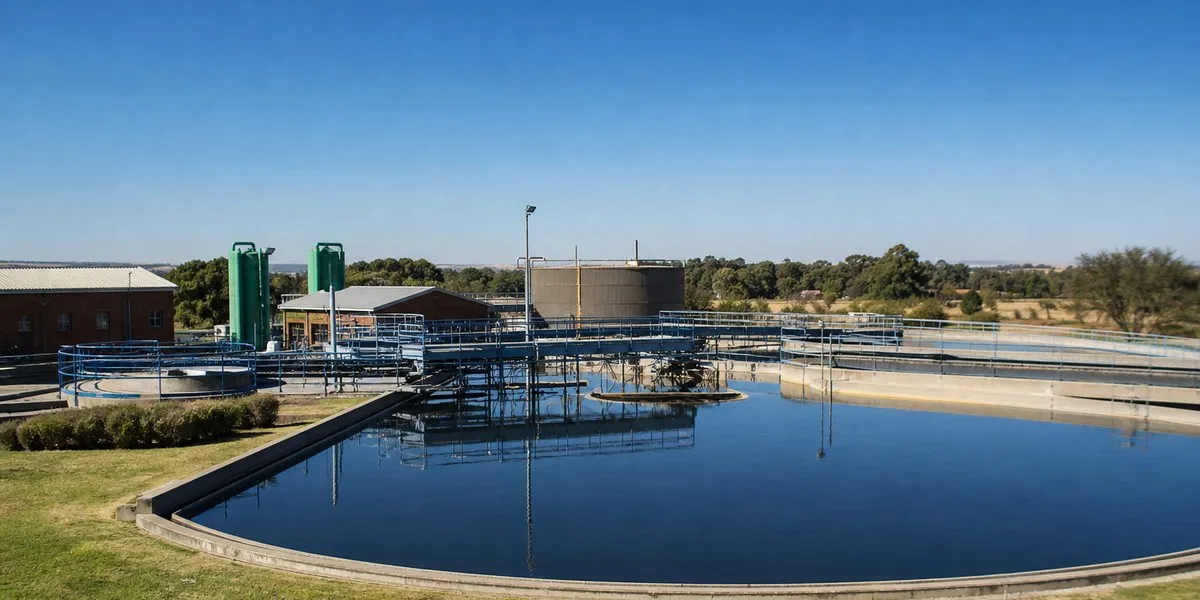
Executive Mayor Dr Nasiphi Moya provided the update following a meeting of the City’s Water Management Committee, which reviewed rehabilitation work at the Bronkhorstspruit Water Treatment Works and water supply conditions across the municipality.
Although significant challenges remain, Moya said rehabilitation work at the treatment works is advancing.
According to the technical team, cleaning of the larger reservoir has been completed, while work on the smaller reservoir continues. Additional equipment is required to remove the remaining sludge.
Preparations for the filtration system are approximately 90% complete, with electrical components undergoing testing. A generator has been connected at the raw-water abstraction point, while the remaining electrical installations are being finalised.
The teams aim to complete the outstanding cleaning work on Tuesday, paving the way for the next phase of testing and commissioning. This will include internal water circulation, chlorination and system flushing.
Water quality concerns in Cullinan
The committee also reviewed a water-quality concern identified at the Cullinan hydrant earlier on Monday. Elevated turbidity prompted the City to suspend tanker-filling operations and introduce precautionary measures.
The City has engaged Magalies Water and is awaiting further test results to determine whether filling operations can safely resume. Alternative filling arrangements are being explored to maintain emergency water distribution.
Moya said oversight of tanker operations was being strengthened. Independent tanker operators must undergo water-quality testing conducted by the City’s Environmental Health Practitioners and obtain municipal authorisation before distributing water.
Rand Water has also started assisting with the testing of decentralised water sources, including boreholes in Regions 5 and 7.
“We appreciate the assistance of private organisations and individuals, but all water distributed to residents must meet the necessary health and safety standards,” Moya said.
Water gradually returns to parts of Tshwane
Targeted demand-management interventions implemented with Rand Water are beginning to improve conditions in parts of the municipal network.
The Garsfontein reservoir system has recovered to healthy storage levels, while continuous pumping to Elardus Park has been under way since early Monday morning. Water has consequently begun returning to low-lying areas in both systems.
The Elardus Park reservoirs are also gradually refilling. However, residents in higher-lying areas, including parts of Moreleta Park and Elardus Park, remain without water.
The reservoirs must recover sufficiently before booster pumps can be safely activated.
Klapperkop remains critically depleted, with its receiving reservoir at approximately 5% capacity. Carina Street Reservoir has shown some improvement, although pumping remains dependent on sufficient recovery.
Mabopane, Queenswood, Louwlardia and Constantia Park also remain under significant pressure.
Other reservoirs are maintaining satisfactory levels. The City has adjusted production allocations at Roodeplaat to strengthen supply to Montana and ease pressure on Rand Water’s network.
Targeted overnight restrictions will continue in selected areas. Moya has urged residents who have access to water to limit consumption to essential needs and avoid watering gardens, washing vehicles or filling swimming pools.
Unsafe-water advisories remain in place
The City’s Health Department continues to monitor water quality and conduct public-health surveillance.
Unsafe-water advisories remain in effect for communities supplied by the Bronkhorstspruit Water Treatment Works and Hammanskraal Phase 3. Residents must continue using City-approved alternative water supplies until official clearance is issued.
Residents in the Bronkhorstspruit supply area have been warned not to use affected tap water for drinking, cooking, food preparation or personal hygiene.
The City has stressed that boiling the affected water will not make it safe. Residents have also been advised to discard any affected tap water stored before the advisory was issued.
Moya cautioned residents against collecting drinking water from rivers, dams, streams, wells or unverified boreholes.
“The City will continue issuing consolidated updates following the daily meetings of the Water Management Committee,” she said.
“Our immediate priority remains sustaining the improvements achieved,