

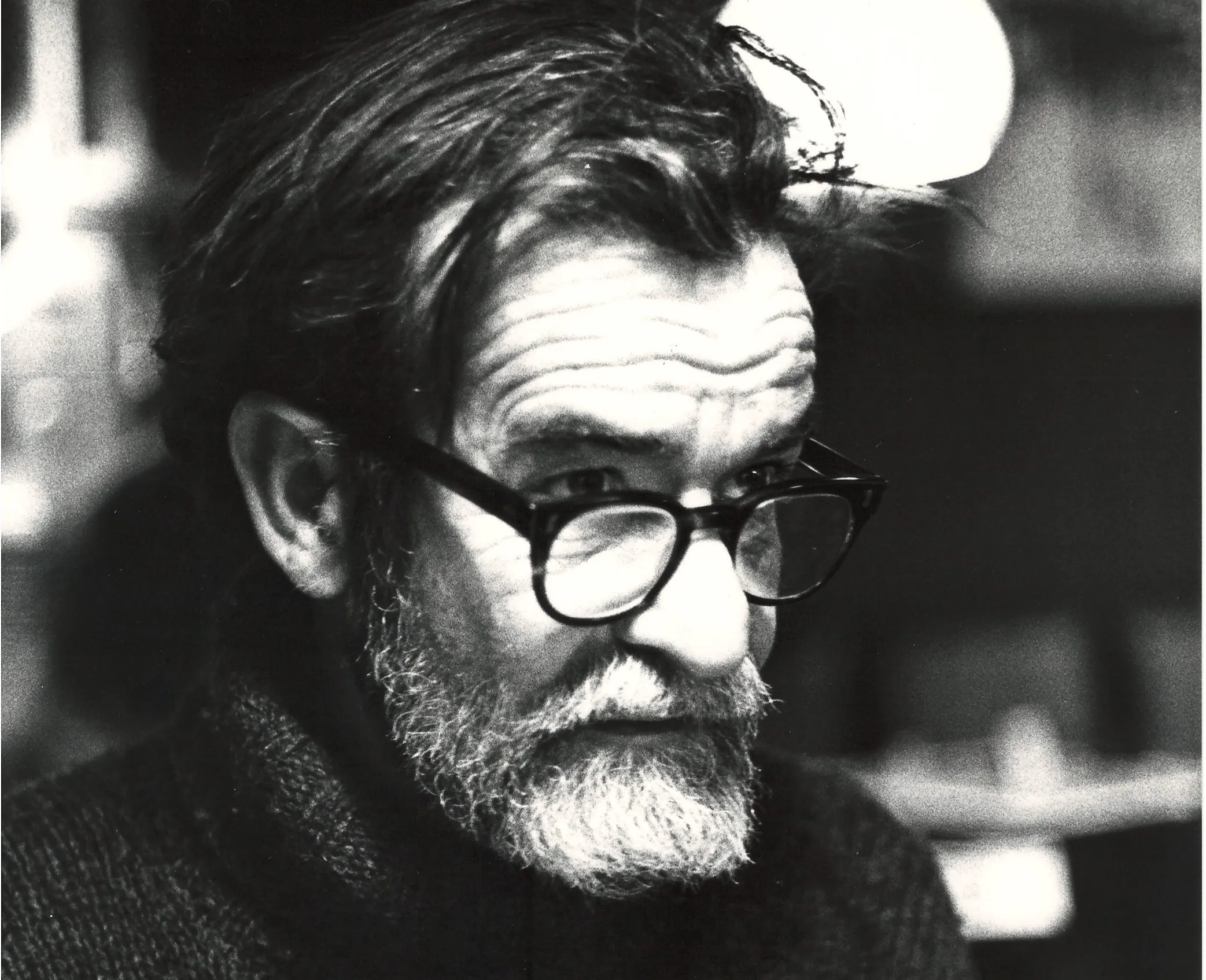
The South African arts community is in mourning following the passing of the late Athol Fugard, a celebrated playwright, novelist, actor, and director, who died on Saturday at the age of 92. Known for his powerful narratives that encapsulated the shared pain of South Africa’s past, Fugard used his art as a means of conveying hope for a brighter future.
Fugard’s impressive body of work includes over 30 plays, many tackling the harsh realities of apartheid. His commitment to eradicating segregation extended beyond his writing; he ensured that his plays were produced and performed globally, rather than solely within segregated South Africa. Notable works such as The Blood Knot, Hello and Goodbye, Master Harold and the Boys, and The Road to Mecca resonated with audiences both locally and internationally, showcasing the depth of human experience and the resilience of the South African spirit.
In 2010, the Fugard Theatre was inaugurated in Cape Town as a testament to his creative influence. This cultural hub has since re-branded as the Homecoming Theatre following its pandemic-related closure, continuing to honour Fugard’s legacy of storytelling.
Cultural Affairs and Sport MEC, Ricardo Mackenzie, expressed his sorrow, stating, “It is a very sad day for South Africa. Athol Fugard was one of our country’s greatest playwrights, who managed to capture everyday stories of people in our country in every play.”
Cape Town Mayor Geordin Hill-Lewis also shared his sorrow, marking Fugard as a “teller of profound stories of hope and resilience about South Africa.” Hill-Lewis emphasised that Fugard’s narratives, deeply intertwined with the nation’s struggles and victories, significantly enriched the cultural landscape of the country.
Fugard’s journey began at the University of Cape Town, where he studied Philosophy and Anthropology before dedicating himself entirely to the arts. Over his illustrious career, he received numerous accolades, including the 2023 Civic Honours from the City of Cape Town and the Order of Ikhamanga in Silver from the South African government in 2005, recognising his outstanding contributions to the theatre.