





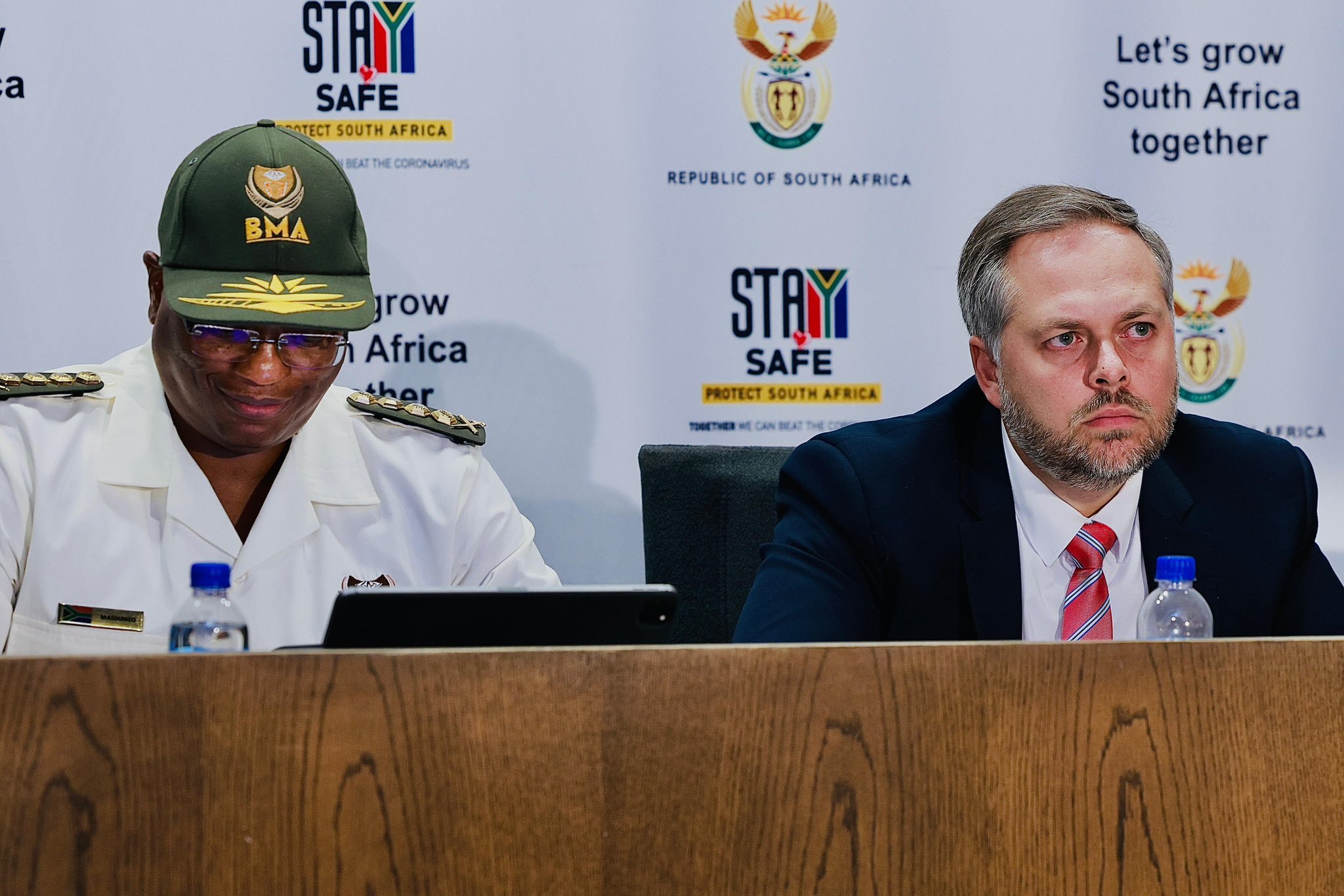
In a significant achievement for South Africa’s Border Management Authority (BMA), the recent deployment of cutting-edge technology led to the interception of over 6000 individuals attempting to illegally cross the nation’s borders during the Easter holiday. This marked a 61% increase compared to the previous year’s figures, signalling the BMA’s determination to strengthen border security.
During a media briefing in Pretoria on Monday, BMA Commissioner Michael Masiapato outlined the details of the operations that unfolded during the Easter long weekend, when more than a million people crossed the country’s borders. Masiapato reported that a total of 6253 illegal entries were apprehended, which included a concerning trend of undocumented immigrants predominantly from Zimbabwe, Mozambique, and Lesotho.
“Just in a period of 10 days, we were able to intercept and apprehend a total of 6253 persons who were attempting to either enter or exit South Africa illegally. This is an increase of 61% compared to the 2024 Easter interception of 3841,” he noted, highlighting that of the individuals intercepted, approximately 4795 were undocumented, 1055 were deemed undesirable, and 403 were found inadmissible for various reasons, such as possessing fraudulent visas or lacking essential health documentation like yellow fever certificates.
This year’s operations revealed a consistent pattern concerning the nationalities of individuals attempting illegal entry. Masiapato confirmed that Zimbabwean nationals accounted for the highest number, with 2019 interceptions, followed by 1921 Basotho and 1143 Mozambicans. The remaining 1170 apprehended were from various other nationalities, including those from Swaziland.
In light of escalating concerns over human trafficking, the BMA is employing innovative technologies such as surveillance drones and body-worn cameras to monitor border activity more effectively. Masiapato emphasised that these advancements are integral to the BMA’s strategy, allowing for immediate tracking and interception of illegal movements, ultimately aiming to thwart trafficking operations.
“All those intercepted without documents were fingerprinted; all those processes were adhered to, and those individuals were accounted for in the number of 6000 that we have talked about. There were children and mothers, but they were effectively deported. We had to ensure they were fingerprinted and inputted into our system to prevent their re-entry for a period of five years,” he explained.
The BMA has proudly dubbed its Easter operations a remarkable success, signifying a vital step forward in the ongoing battle against illegal immigration and human trafficking in South Africa.


