




In a significant development for South Africa’s coalition government, the two largest parties—the African National Congress (ANC) and the Democratic Alliance (DA)—have signalled progress in their negotiations aimed at resolving a contentious budget impasse. As optimism grows about a potential agreement by Wednesday, when lawmakers are set to vote on crucial fiscal legislation, the rand has responded positively, appreciating against the dollar.
Willie Aucamp, a spokesman for the DA, expressed heightened confidence in the talks. This optimism follows renewed negotiations that resumed on Sunday, as both parties recognise the urgency of finalising the fiscal framework. Failure to pass the fiscal framework and associated revenue bills could stall the entire budgetary agenda.
In a brief but reassuring statement shared on social media platform X, President Cyril Ramaphosa echoed this sentiment, asserting that the government is committed to developing a “shared approach to unlock inclusive growth, job creation, and a secure fiscal future.” This statement underlines the collaborative spirit necessary for the coalition’s success amidst growing economic pressures.
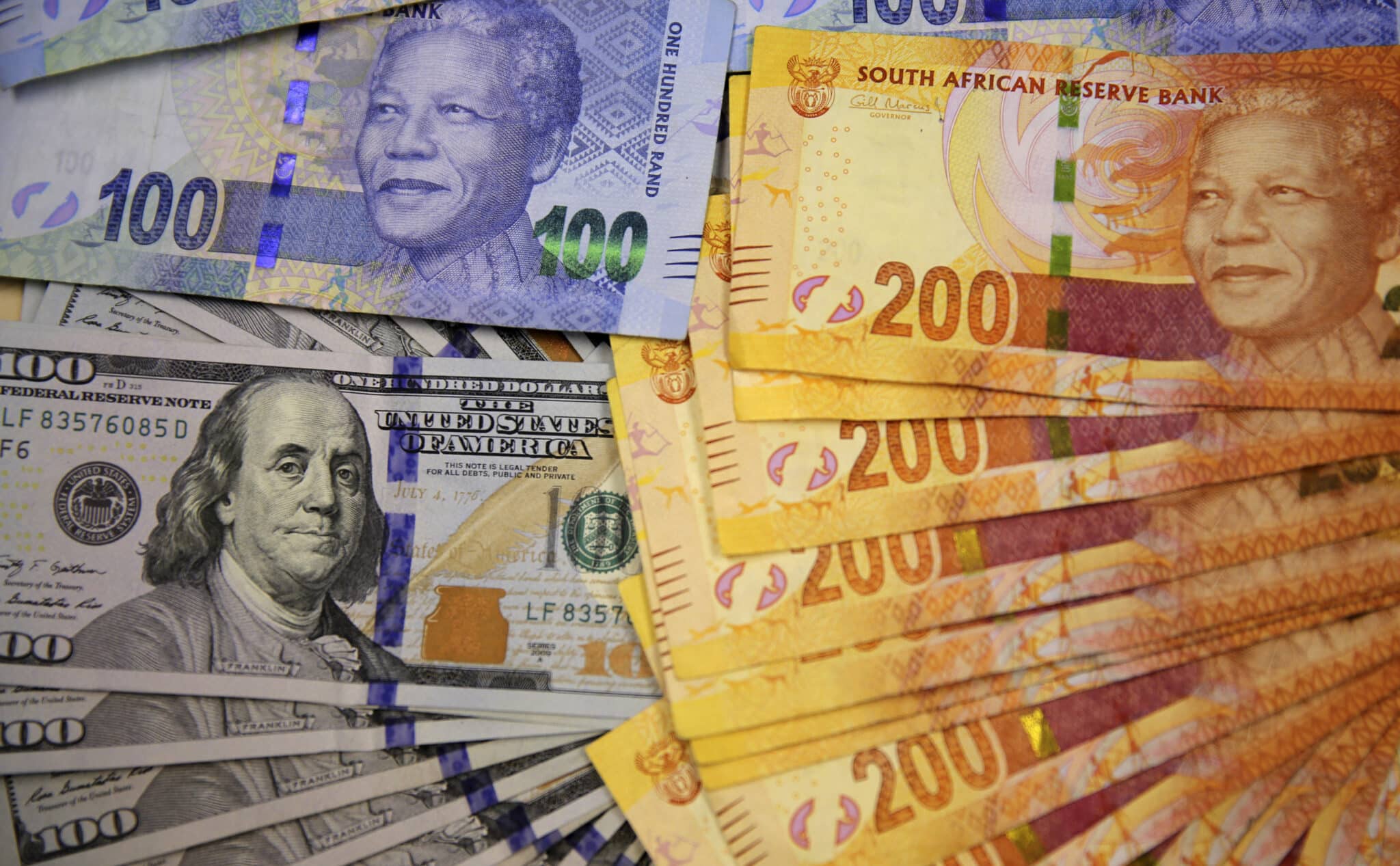
On Monday morning, the rand surged by 0.9% to 18.26 per dollar by 9:04 a.m. in Johannesburg, recovering much of the ground lost during previous trading sessions, particularly following the DA’s escalated disputes with the ANC over budgetary issues. The recent tensions were ignited last month by a controversial proposal from the National Treasury to increase the value-added tax (VAT) by two percentage points—a suggestion that faced strong backlash, even from within the ANC.
In light of these objections, Finance Minister Enoch Godongwana has amended his proposal, suggesting a more moderate single percentage point increase to take effect by mid-2026. However, he has yet to secure the necessary support from lawmakers for this measure, which is critical for the government’s road to fiscal sustainability.
This possible increment, broken into two phases of 0.5 percentage points, is slated for implementation on May 1 this year and April 1, 2026—though the fate of this plan still hangs in the balance as negotiations continue.
As political strains between the ANC and DA linger, the importance of resolving these budgetary disagreements is paramount not only for the coalition’s stability but also for the broader economic prospects of South Africa. The coming days are set to be decisive as lawmakers gear up for Wednesday’s pivotal vote—one that could lay the groundwork for the government’s financial strategy in the months to come.


