





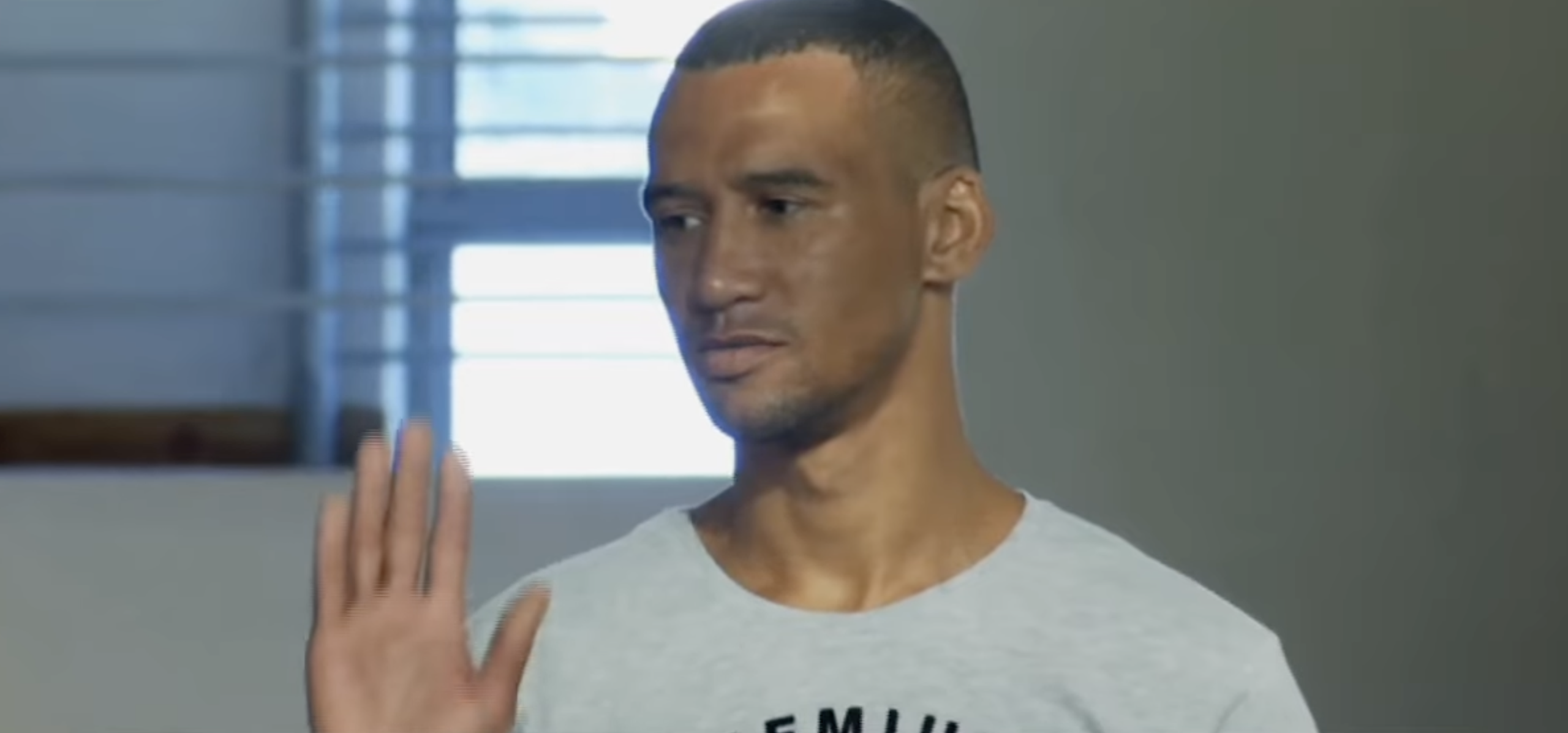
Jacquen ‘Boeta’ Appollis, a key figure in the high-profile Joshlin Smith trial, took a dramatic turn this week when he alleged that parts of his confession were fabricated under duress. As the court embarks on a trial-within-a-trial to assess the voluntariness of these confessions, the implications of Appollis’s statements are reverberating throughout the legal proceedings.
During the testimony on Wednesday, Appollis explained that a coloured male officer had instructed him to implicate himself, Joshlin Smith, and Van Rhyn in the alleged abduction and sale of the young girl for R20,000. He recounted that the officer told him someone would come later to formalise his statement, insisting he must repeat this version of events. This revelation casts a shadow of doubt over the validity of his earlier confessions, which he claimed were influenced by fear and manipulation.
As the court listened intently, Appollis described feeling pressured, even going so far as to fabricate intricate details, such as the presence of four children playing outside and a fictitious conversation with Smith on the Sunday before Joshlin’s disappearance. He acknowledged, “I had to make the story ‘sound like a real story’” to conform to the expectations set by the officer. However, this was a twist that Judge Nathan Erasmus and the State prosecutor, Aradhana Heeramun, were quick to challenge.
Judge Erasmus reminded Appollis that he had previously confirmed the truthfulness of various parts of the statement during an earlier session, when defence counsel meticulously highlighted sections for clarity. When confronted directly, Appollis admitted to lying, stating, “That is correct, that part.” The nuances of his testimony raised further questions, particularly about why he would craft such a detailed narrative if it was untrue.
The prosecutor pressed him on the coherence of the confessions, which included “specific and believable facts.” Heeramun probed the motivations behind his account, questioning why he would opt to fabricate an entire story when simply telling the truth would suffice. In an attempt to defend his choices, Appollis stated, “I was scared. I wanted to make it sound real.”
As the questioning intensified, Judge Erasmus interjected with a curious remark about Appollis’s unexpected storytelling prowess. “Were you very good at composition at school? Where does this sudden talent come from?” he inquired. The prosecutor added fuel to the fire by highlighting the calm, steady manner in which Appollis had recounted his narrative to Lieutenant-Colonel Adrian Pretorius, suggesting it was inconsistent with the fear he claimed to have experienced during the interrogation.
In a final attempt to distance himself from any implication of deceit, Appollis maintained, “I made it up while Pretorius was taking down the notes,” once again attributing responsibility to the officer who had allegedly coerced him into concocting the tale.
The court’s examination of the circumstances surrounding Appollis’s confession underlines the complexities of justice as the trial unfolds.


