



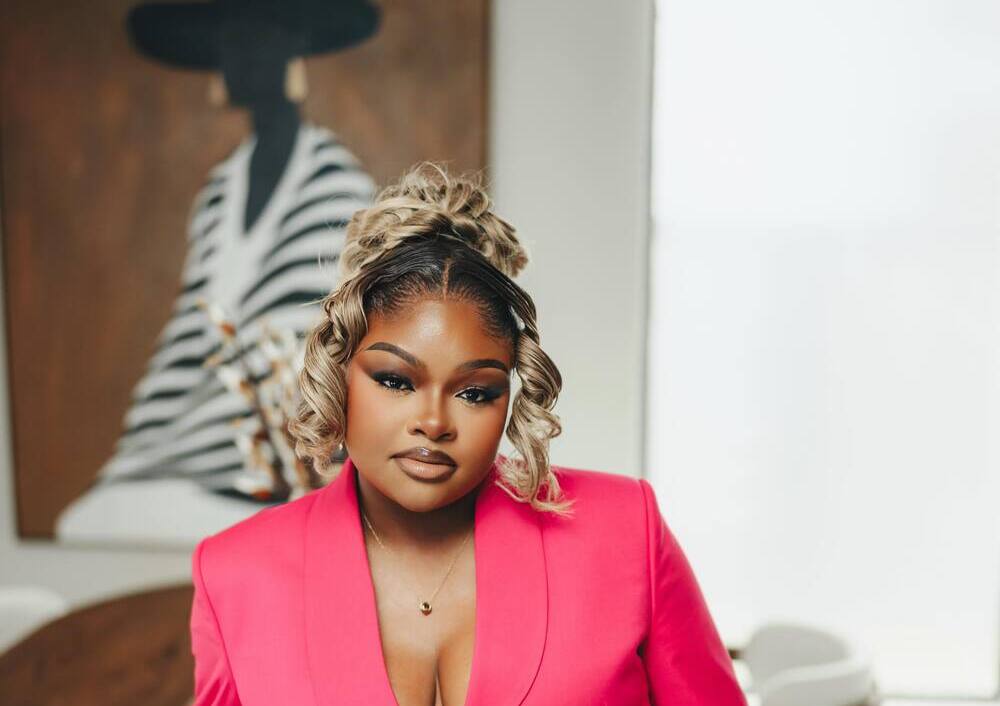
A recent video by South African influencer Grace Mondlana, in which she called out fellow content creator Advise Langa, has sparked debate about creativity, originality and the boundaries between inspiration and copying in the influencer space.
While many acknowledge that few ideas are entirely original, accusations of plagiarism and content copying remain a contentious issue among creators.
In the video, Mondlana alleges that Langa has repeatedly adopted elements of her content style, including music choices, dance routines, gestures and facial expressions. The issue has divided social media users, with much of the discussion focusing not only on the allegations but also on how Mondlana chose to raise them publicly.
One social media user, @Lebo M, criticised the decision, commenting: “But she is so weird for doing this. Couldn’t she do it in private? Now she has opened a platform for Advise to be bullied.”
Another user, @KhananiShingan1, argued that the matter could have been handled privately, particularly given that the two creators had previously appeared in content together: “Grace could’ve texted Advise privately,” the user commented.
Content creators copying or drawing heavily on one another’s styles is not a new phenomenon and can be difficult to establish conclusively. Such behaviour may be linked to efforts to build audiences, appeal to particular markets or attract commercial and brand opportunities.
The dispute between Mondlana and Langa continues to generate discussion online, with followers weighing in on where the line should be drawn between taking inspiration from another creator and copying their work.

