



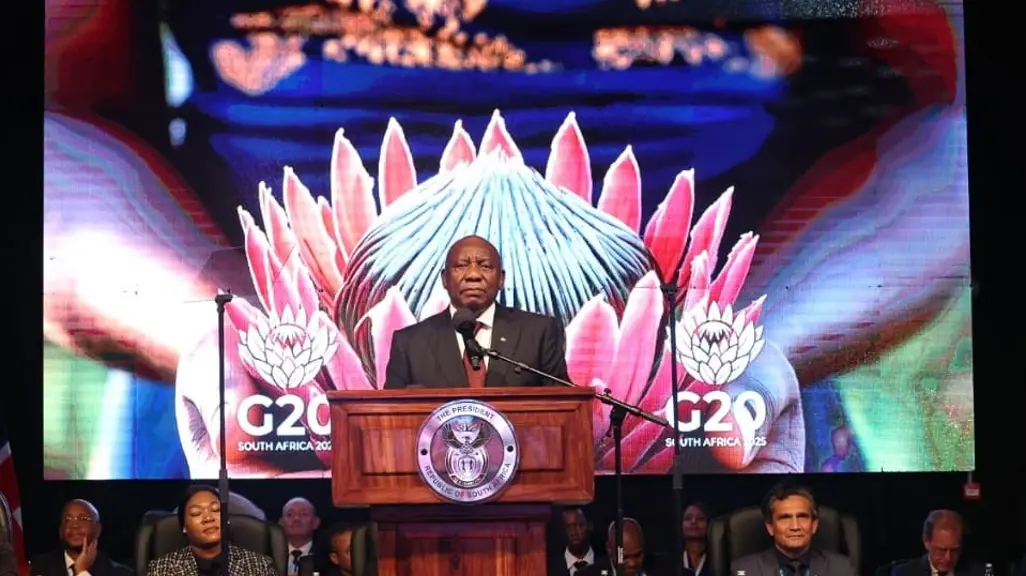
The G20’s historic declaration at its first-ever summit on African soil has been widely hailed as a diplomatic breakthrough. And yes — securing a commitment to the restitution of cultural property is no small feat. Africa’s long fight to reclaim stolen heritage has finally been acknowledged at the world’s premier economic forum. But let’s be honest: this is a partial victory dressed up as a triumph.
For all its celebratory language, the declaration avoids the one word African nations most needed to hear — reparations. In doing so, the G20 sends a clear message: the world is ready to honor Africa’s stolen past, but not its stolen wealth. A welcome but overdue acknowledgmentParagraph 112, championed by African leaders, formally recognizes the value of returning cultural property. It’s a refreshing departure from decades of stonewalling by museums and former colonial powers. The G20’s statement — acknowledging the “spiritual, historical, and cultural value” of Africa’s heritage — elevates the issue from moral plea to diplomatic principle.
Make no mistake: this matters. The symbolic power of such recognition opens doors for future negotiations. It shifts the conversation from whether restitution should happen to how and when it will happen. It also sets a precedent that African nations can and should leverage.
But symbols, while important, do not build roads, schools, or industries.
The glaring omission: reparationsThe G20 declaration’s silence on financial reparations is impossible to ignore, and even harder to forgive. After 122 carefully crafted points, the complete absence of reparations stands out like a deliberate act of erasure.
This is not an oversight; it’s a refusal. Reparations have always been about economic sovereignty — the ability of African states to shape their own futures without the constraints of debts and dependencies rooted in colonial plunder. While the G20 felt comfortable talking about debt sustainability, it refused to link today’s economic hurdles with yesterday’s systemic exploitation.
Without reparations, cultural restitution risks becoming a token gesture: a moral concession that costs nothing and changes even less. From artifacts to autonomyStill, the progress made should not be dismissed. By securing cultural restitution as part of the global economic agenda, African nations now wield a new diplomatic tool. The next step is to use it boldly.
The “open and inclusive dialogue” promised in the declaration must not be allowed to drift into polite, inconsequential museum conversations. It must grow into a sustained demand for comprehensive reparations — material, economic, and structural.
That will require unity among African governments, strategic pressure in global forums, and alliances with international movements that understand reparations not as charity but as justice. A first step — but nowhere near the finish lineHistory may remember the Johannesburg summit as the moment Africa’s right to its cultural past was finally validated. But we should not mistake validation for victory. The return of looted artifacts is not the end of the story; it is merely the first brick laid on the long road toward genuine sovereignty.
The real struggle — the fight for economic reparations and the dismantling of neocolonial structures — remains ahead. Until Africa receives not only its artifacts but also its due compensation, the foundation of true independence will remain incomplete.