


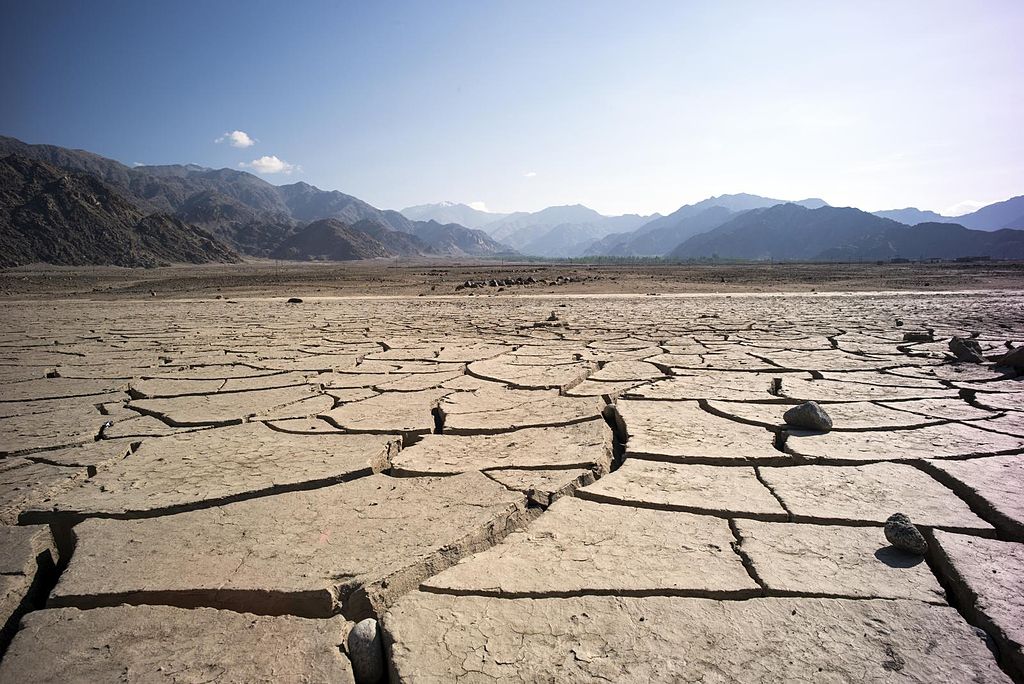
Drought has been declared across nearly three-quarters of Maharashtra following prolonged low rainfall, raising concerns about crop production and the livelihoods of millions of farmers.
The Maharashtra government said drought conditions are affecting 74% of the western Indian state, which is home to Mumbai, the country’s financial and commercial centre.
The declaration comes as India’s national weather department forecasts that the country could end its annual June-to-September monsoon season with a rainfall deficit.
Maharashtra is a major agricultural producer, with farmers growing crops including cotton, soybeans, sugarcane and pulses. Many rural communities depend heavily on seasonal rainfall for irrigation, leaving them vulnerable to poor harvests.
Maharashtra Chief Minister Devendra Fadnavis said the state government would support farmers affected by the drought.
The government said it would assess crop damage and provide assistance to farmers, agricultural workers and rural families affected by the dry conditions.
The rainfall shortage is also being felt in other parts of India. Karnataka, in the south, has announced assistance for farmers in drought-affected areas.
Weather officials have linked the abnormal rainfall patterns partly to a stronger-than-usual El Niño climate phenomenon, which is associated with changes in rainfall across South Asia.
Scientists have also warned that human-driven climate change can intensify the effects of natural climate patterns by increasing the energy and moisture available to fuel extreme weather events.
With hundreds of millions of people in India relying on the annual monsoon for agriculture and other economic activities, continued rainfall shortages could place additional pressure on farming communities and food production.