



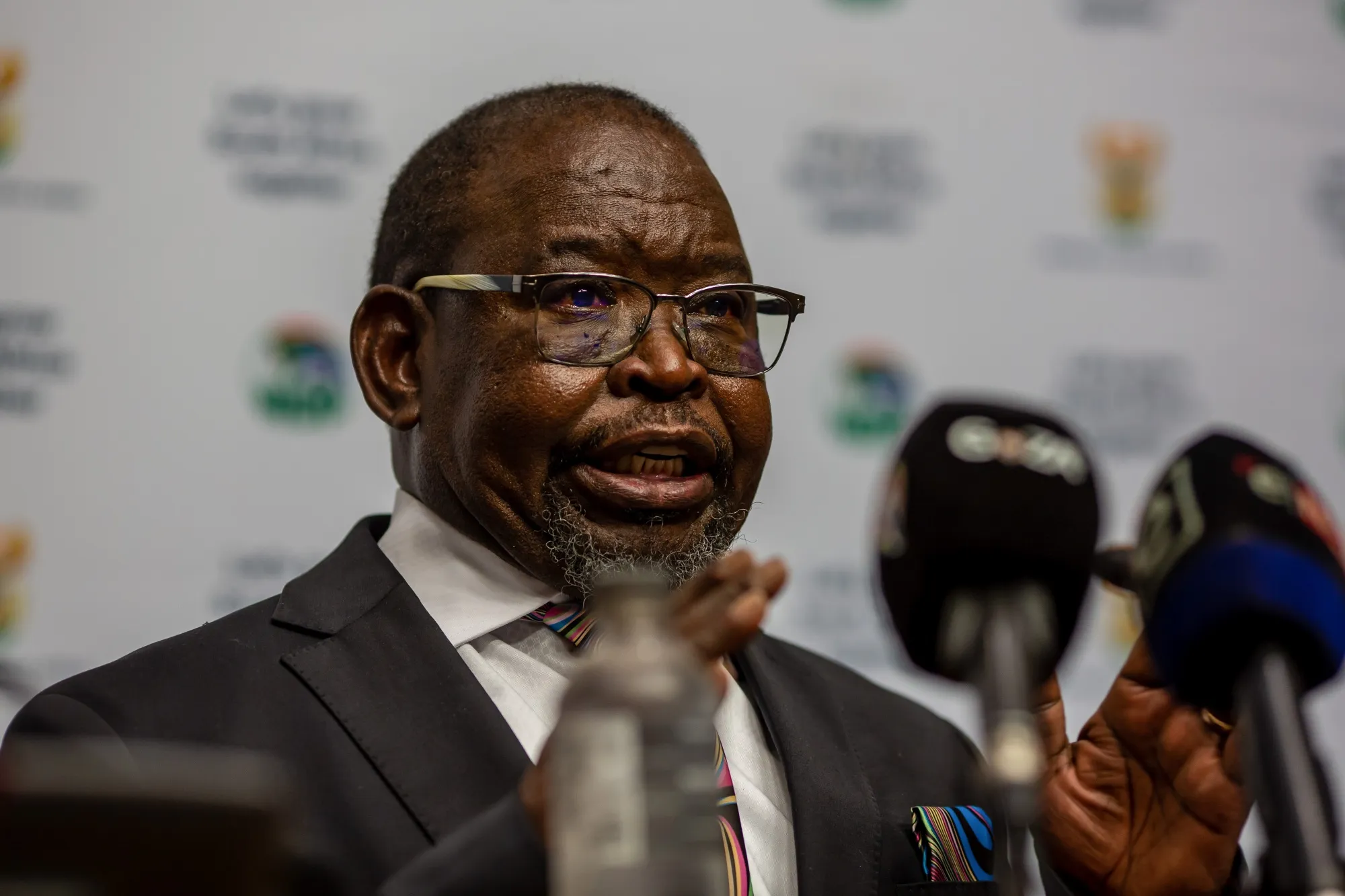
Finance Minister Enoch Godongwana has proposed a value-added tax (VAT) increase in his reworked 2025 Budget Speech delivered on Wednesday. Fresh from an unprecedented postponement of the main budget presentation from February to March, Godongwana’s proposals include a 0.5 percentage point raise in the VAT rate for both the fiscal years 2025/26 and 2026/27. This signals a shift from his earlier, more aggressive plans for tax hikes.
The new VAT rate is expected to rise from 15% to 15.5%, set to take effect on 1 May 2025. This proposal, however, is likely to fuel a heated debate in parliament, particularly between the African National Congress (ANC) and the Democratic Alliance (DA), reflecting deep divisions within the coalition government. The ANC, vying for broader support, aims to navigate these tensions by rallying other parties around its fiscal consolidation strategy.
Unsurprisingly, the DA and other opposition parties have vehemently opposed any escalation of VAT, joining the chorus of dissent against Godongwana’s sweeping tax measures, including a proposed wealth tax. Given that the cabinet had not provided its approval for the budget before the speech, the fate of this proposal now hangs in the balance, awaiting rigorous debate and a parliamentary vote.
While Godongwana framed the VAT hike as essential for financial stability and buoying the national budget, the revised 2025 Budget has raised concerns for ordinary South Africans. Notably, there will be no inflation adjustment for personal income tax brackets for the upcoming fiscal year, leaving taxpayers facing the reality of ‘bracket creep’—an instance where inflation increases nominal income, pushing taxpayers into higher tax bands without actual increases in real income. The last adjustment to personal income tax brackets was made in 2023.
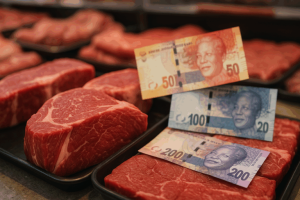
In an effort to mitigate the impact of these changes on the public, Godongwana highlighted that the budget includes additional zero-rating of essential food items for VAT, alongside the maintenance of the current fuel levy. Nevertheless, critics argue that such measures do little to counterbalance the financial strain citizens may face due to the VAT hike.
According to the Treasury’s budget documentation, the proposed tax policy changes are projected to yield an additional R28 billion in revenue for 2025/26 and R14.5 billion in 2026/27. This is a significant drop from the R58 billion initially anticipated from the untabled draft budget unveiled earlier in February, which had sought to implement a much steeper 2-percentage point VAT increase.
Moreover, the bulk of the additional revenue generated from this incremental VAT adjustment appears earmarked for bolstering the public sector wage bill, with R23.4 billion allocated for public-service wages in the upcoming financial year. Godongwana defended this allocation, asserting it would provide greater certainty for budget planning over the next three years, despite opposition voices calling for a re-evaluation of spending priorities.


