




The situation between Israel and Iran has reached a critical boiling point, escalating into open hostilities marked by missile strikes and incendiary political rhetoric. Israel has reportedly targeted Iranian uranium enrichment sites in response to a renewed barrage of missile fire from Iran, prompting fears of a larger, regional conflict.
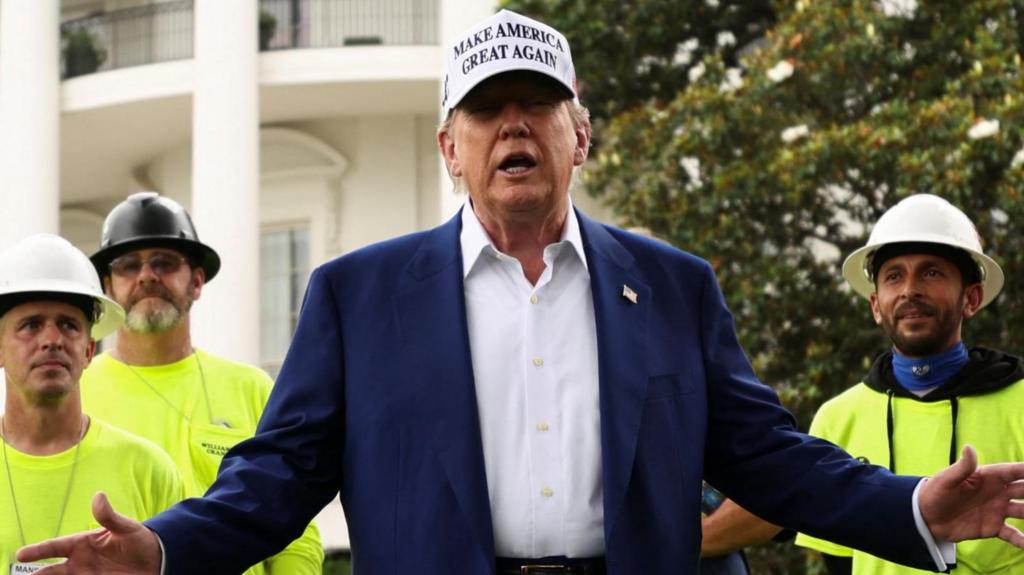
In a stark escalation, U.S. President Donald Trump has discussed American military involvement, insisting that Iran must surrender unconditionally. However, Trump’s ambiguity regarding his potential military actions has left both allies and adversaries uncertain about America’s next steps. “I may do it. I may not do it. Nobody knows what I’m going to do,” he told reporters, highlighting the unpredictability of the current geopolitical climate.
While the prospect of military action looms large, heightened tensions have further strained the delicate balance of power in the region. Trump, accompanied by Israeli Prime Minister Benjamin Netanyahu, has floated the idea of targeting Iran’s Supreme Leader, Ayatollah Ali Khamenei, calling him “an easy target.” In a defiant response, Khamenei dismissed Trump’s demands as “threatening and ridiculous,” warning that U.S. intervention would result in “irreparable damage” to the already fragile state of affairs.
As the conflict deepens, Iranian authorities have ramped up domestic security measures, claiming the arrest of five individuals accused of espionage for Mossad, Israel’s intelligence agency. This move underscores the intense undercurrents of mistrust between the nations, fuelling fears of escalating violence.
Further complicating the dynamics, the Israeli Defence Forces confirmed that missiles were indeed launched from Iran towards Israel, marking an intensification of hostilities that have now extended into their sixth day. Iranian state media confirmed the missile launches, propelling both nations deeper into a conflict that has the potential to draw in international actors.
On the military side of things, the U.S. military is reportedly preparing various options as both Trump and Secretary of Defense Pete Hegseth have signalled readiness for possible military confrontations. Hegseth stated before the Senate Armed Services Committee that the Pentagon is equipped to execute any decisions made by the President, although he refrained from providing details during the open session, citing sensitivity surrounding potential strategies.
Any military action aimed at Iran’s nuclear facilities poses logistical and political risks, particularly regarding the impregnable Fordo nuclear site, buried deep within a mountain and fortified by concrete. U.S. officials have indicated that only a powerful bomb, such as the GBU-57 Massive Ordnance Penetrator, can breach such defences. This would necessitate the use of specialized aircraft like the B-2 Spirit stealth bomber, amplifying the stakes of any military operation undertaken.
Meanwhile, as tensions simmer, neighbouring nations are casting wary eyes on the unfolding events. Russian officials have expressed concern, questioning the consequences of a potential strike on Iranian nuclear materials, signalling a broader international anxiety regarding the potential for regional instability and unintended consequences.
In light of the ongoing conflict, the United States is now coordinating efforts to evacuate American citizens from Israel. This includes the arrangement of planes and cruise ships, according to Ambassador Mike Huckabee, further signifying the urgency and seriousness of the evolving situation.
As the geopolitical chess game continues, with each side employing military and rhetorical strategies to assert dominance, the world watches closely. With threats of escalation hanging in the balance, the unfolding narrative calls for global diplomatic engagement to avert further chaos in an already volatile region.


