


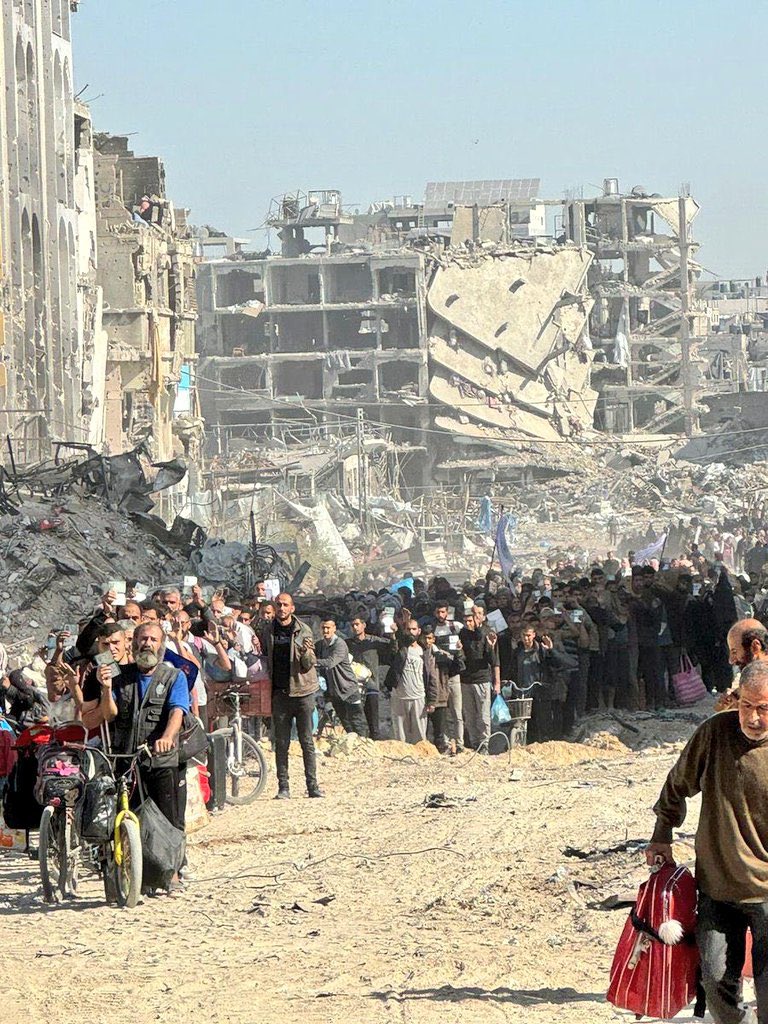
The humanitarian crisis unfolding in Gaza has reached dire proportions as Israeli airstrikes continue to intensify. Medical sources reported that at least 33 Palestinians were killed since dawn in attacks throughout the Gaza Strip, including 18 victims in the Jabalia refugee camp, where the forced expulsion of residents by Israeli troops is ongoing. This brings the grim total to at least 640 Palestinians killed in northern Gaza over the past 17 days of relentless military operations.
The United Nations Human Rights Office has expressed grave concerns, stating that Israel “may be causing the destruction of the Palestinian population in Gaza’s northernmost governorate through death and displacement.” As the violent clashes escalate, the toll on human life is staggering; at least 42,603 people have died, and nearly 100,000 have sustained injuries since the onset of Israeli attacks on October 7, 2023. This was the day Hamas orchestrated its initial strikes against Israel, resulting in the deaths of approximately 1,139 individuals and the taking of over 200 more as captives.
Eyewitness accounts describe harrowing scenes of panic and despair as residents scramble to flee their homes amid the relentless bombardment. Hospitals, already overwhelmed by the influx of injured civilians, face an unprecedented crisis, exacerbated by an acute shortage of medical supplies and ongoing assaults on facilities.
In a worrying expansion of hostilities, reports of similar aerial assaults have emerged from southern Lebanon where Israeli airstrikes have targeted areas near the Lebanese border. Lebanese officials are voicing concerns that these frontier attacks could precipitate a broader regional conflict, igniting fears of a more widespread escalation.
The Israeli Defence Forces (IDF) maintain that their strikes are directed at militant positions and a necessary response to ongoing rocket fire from Palestinian factions in both Gaza and Lebanon. However, this justification has met international backlash, with numerous countries urging Israel to practise restraint and prioritise the protection of civilian lives amid meaningful calls for peace.
The humanitarian implications of the ongoing violence are staggering. The UN reports over one million residents in northern Gaza now face severe threats from aerial bombardments, while also grappling with the mounting challenges of displacement, restricted access to medical care, and dwindling supplies of essential goods.
As the situation continues to deteriorate, the international community has begun to respond more fervently, with calls from several nations urging both sides to pursue diplomatic avenues to defuse the escalating tensions. United Nations officials have requested an emergency meeting to discuss the situation, aiming to address the urgent need for humanitarian aid and efforts to prevent further bloodshed.