





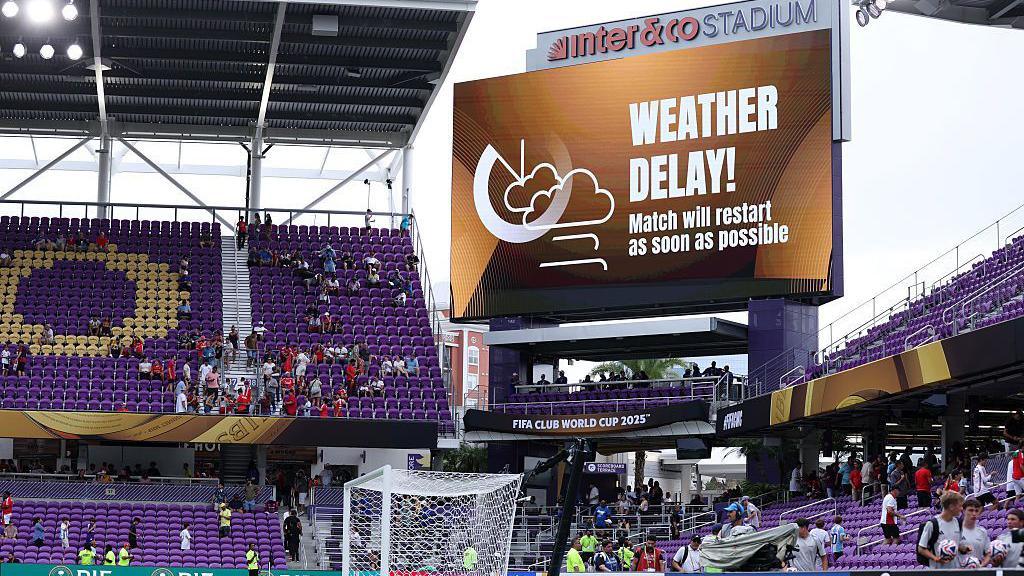
As the aftermath of a scorching Club World Cup leaves players battling extreme temperatures, experts are urging Fifa to take the imminent heatwave into consideration when planning the schedules for the men’s World Cup next year in the United States, Canada, and Mexico. Professor Mike Tipton, a leading authority on the physiological effects of extreme heat, suggests that holding matches—including the prestigious final—at 9am could be a prudent move to ensure player safety and optimal conditions for both athletes and fans.
The summer of 2023 has introduced severe weather patterns across North America, with New York reporting a record-high of 39°C on June 24. Such brutal conditions have raised concerns for the well-being of players—many of whom faced intense heat during their matches—and have garnered a stronger focus on the risks of heat stress at next year’s tournament.
With feedback from the ongoing Club World Cup ringing in Fifa’s ears, which saw players managing extreme conditions, Professor Tipton argues for a proactive response to the inevitable risks posed by climate change. “If we have a repeat of these conditions, moving matches to cooler times of day is essential,” said Tipton. “The health risks extend beyond just the players—they encompass officials and spectators as well.”
The suggested early morning slots, particularly considering Fifa’s first approach to scheduling will be in December, may accommodate greater global audiences, but they pose logistical challenges. Organising entrance for the influx of fans at such an hour isn’t a small feat, yet the collective responsibility towards health and safety must take precedence in planning.
Fifpro calls for changes
Alongside calls for adjusted kick-off timings, global players’ union Fifpro has label the recent conditions a “wake-up call.” Dr Vincent Gouttebarge, Fifpro’s medical director, suggests implementing 20-minute half-time breaks during extreme heat to help players maintain core temperature stability. This echoes the sentiment of many within football, urging Fifa to consider more flexible policies regarding health in the face of increased climate anomalies.
Fifpro’s push goes further, advocating for a change in how matches handle heat stress, arguing that any Wet Bulb Globe Temperature (WBGT) readings above 28°C warrant a review of kick-off timings, something the current Fifa guidelines do not reflect. “From a health perspective, this must take priority over commercial interests,” stated Alexander Bielefeld, director of policy at Fifpro.
Lessons from the past
The US has a history of grappling with heat during major tournaments; the notorious Republic of Ireland versus Mexico match in 1994 exemplifies this. Former goalkeeper Packie Bonner recalls, “Kick-off was at noon and we couldn’t handle it at all… your brain goes into a fog.” Thankfully, advancements in hydration protocols now allow players to drink on the pitch, a significant improvement from past tournaments.
However, some technical assessments suggest next year’s World Cup could be the hottest on record, exacerbated by the climate changes affecting weather patterns globally. The current forecasts predict that many of the stadiums—including Miami and Monterrey—will face temperatures that challenge safety limits, making the call for an evening schedule even more pressing.
Fifa’s stance
While Fifa maintains that it prioritises health, the existing framework for managing heat during matches will likely need revision before the first whistle in 2026. Current guidelines call for cooling breaks when WBGT exceeds certain levels, yet the rising tides of public and professional concern indicate an urgent need for adaptation.
The stakes are high, and unless a significant shift in approach occurs—whereby player welfare takes precedence over commercial pressures—2026 may not simply carry the markings of a historic World Cup but might also bear the repercussions of poor foresight in the face of climate change.


