





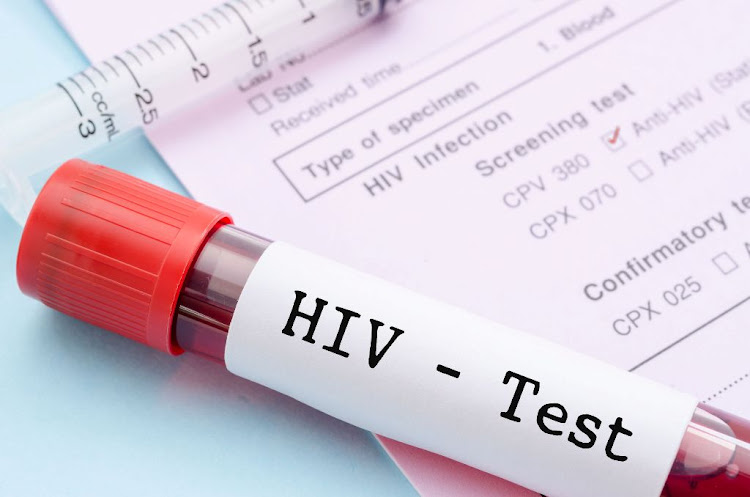
In a devastating blow to public health, HIV testing and monitoring in South Africa has been severely impacted by a significant reduction in aid from the United States. Unpublished government data reveals a disturbing trend, particularly affecting vulnerable populations such as pregnant women, infants, and young adults, who are bearing the brunt of these funding shortfalls.
With an estimated 8 million South Africans living with HIV — about one in five adults — the nation already grapples with the world’s highest concentration of the virus. Up until early 2023, the US contributed approximately 17% of South Africa’s total HIV budget. However, major cuts imposed by former President Donald Trump have drastically reduced this support, prompting health professionals and advocacy groups to raise alarm bells.
Recent figures from the National Health Laboratory Service indicate a troubling decline in viral load testing, a critical measure used to assess the amount of the HIV virus in patients undergoing antiretroviral treatment. Health experts have identified a staggering 21% drop in testing rates among key demographics over the past two months, strongly correlating this decline with the loss of US funding.
Viral load testing is imperative for monitoring the effectiveness of treatment and suppressing the virus, thus lowering transmission risks. The ramifications for pregnant women are particularly alarming, as they face heightened risks of transmitting HIV during childbirth, while timely diagnoses for infants are essential for their chances of survival against this formidable virus. The reductions in testing could jeopardise decades of progress made in combatting HIV in South Africa.
The statistics paint a stark picture: viral load tests among individuals aged 15-24 fell by 17.2% in April compared to the same month the previous year, compounding a steady decline previously noted in March. Overall testing across the population has dropped by 11.4%, with maternal tests plummeting by 21.3%. These trends are raising grave concerns about the future health of mothers and children in the country.
“These are shocking figures, with profound implications for maternal and child health across the country,” stated Francois Venter, executive director of the Ezintsha Research Centre in Johannesburg.
In light of the funding cuts, South African health authorities are encouraging patients who depended on crisis-hit NGO clinics to seek services at public health facilities instead. This shift has resulted in an overwhelming surge in demand at public centres, leading to long queues and strained resources, which only complicates the already dire situation for HIV patients.
The decline in treatment efficacy is emphasised further by diminishing rates of viral suppression, a key indicator of successful HIV treatment. Data reveals a decrease of 3.4% in March and 0.2% in April, suggesting that the number of patients achieving viral suppression has also declined, particularly among younger adults.
Amid these growing challenges, Foster Mohale, spokesman for the Department of Health, has acknowledged the need for a comprehensive analysis, yet he emphasised that South Africa faced patient retention challenges even before the aid cuts. To mitigate the adverse effects of these funding shortfalls, Mohale disclosed that the government is actively engaging potential local and international donors to bridge the funding gap, striving to restore momentum in the fight against HIV.
Additional reporting Reuters


