



The Gauteng Provincial Government has tabled a R179.2 billion budget for the 2026/2027 financial year, with the bulk of the funding directed towards frontline services such as health, education and social development.
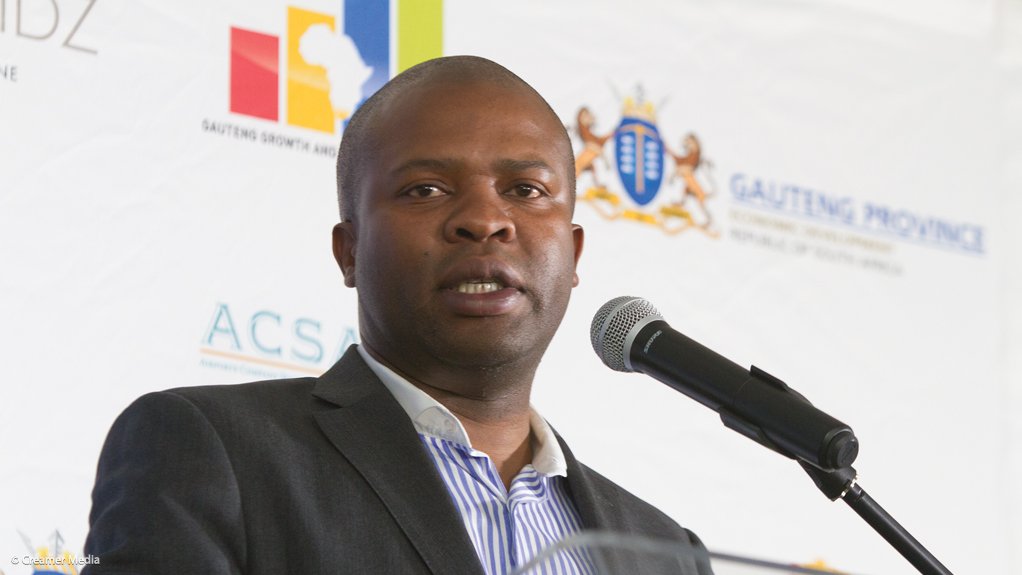
Gauteng Finance MEC Lebogang Maile presented the budget in the provincial legislature on Tuesday, outlining government’s plans to strengthen service delivery, support economic growth and expand infrastructure development.
The budget forms part of the 2026 Medium-Term Expenditure Framework (MTEF), which will see the province spend R549.3 billion over three years. Of this amount, R179.2 billion is allocated for 2026/27, increasing to R182.4 billion in 2027/28 and R188.2 billion in 2028/29.
Maile said the budget reflects government’s commitment to improving living conditions while navigating a constrained fiscal environment.
Health and education remain the largest recipients of funding. The Gauteng Department of Health has been allocated R70.3 billion in 2026/27 to strengthen the public healthcare system, expand access to services and improve the quality of care. The funding will also support maternal and child health programmes, as well as improvements to emergency medical services.
The Gauteng Department of Education will receive R70.9 billion to improve learner performance, expand Early Childhood Development programmes and support pro-poor interventions such as the school nutrition programme and scholar transport.
Social services also receive a significant share of the budget. The Department of Social Development has been allocated R5.6 billion to fund food security programmes, support vulnerable groups and expand services for children, youth and people affected by substance abuse.
Infrastructure development is another key priority. Over the three-year MTEF period, R36.4 billion has been set aside for infrastructure projects across departments. These include building and upgrading schools, hospitals, roads and housing.
The Department of Roads and Transport will receive R10.2 billion in 2026/27 to improve transport infrastructure and carry out road upgrades, while the Department of Human Settlements has been allocated R5.5 billion to upgrade informal settlements and deliver new housing projects.
Government says these investments are intended to support economic growth and improve access to essential services.
Despite the increased spending, the province continues to face financial pressures. Gauteng is still paying off R20 billion in e-toll debt, with R4.6 billion due in June this year and further payments expected over the medium term.
The provincial government says careful financial management will be required to ensure that limited resources continue to support essential services and improve the lives of residents.

