



The government is working on a plan to increase the amount of free electricity provided to poor households and deliver the subsidy directly to qualifying consumers rather than through municipalities.
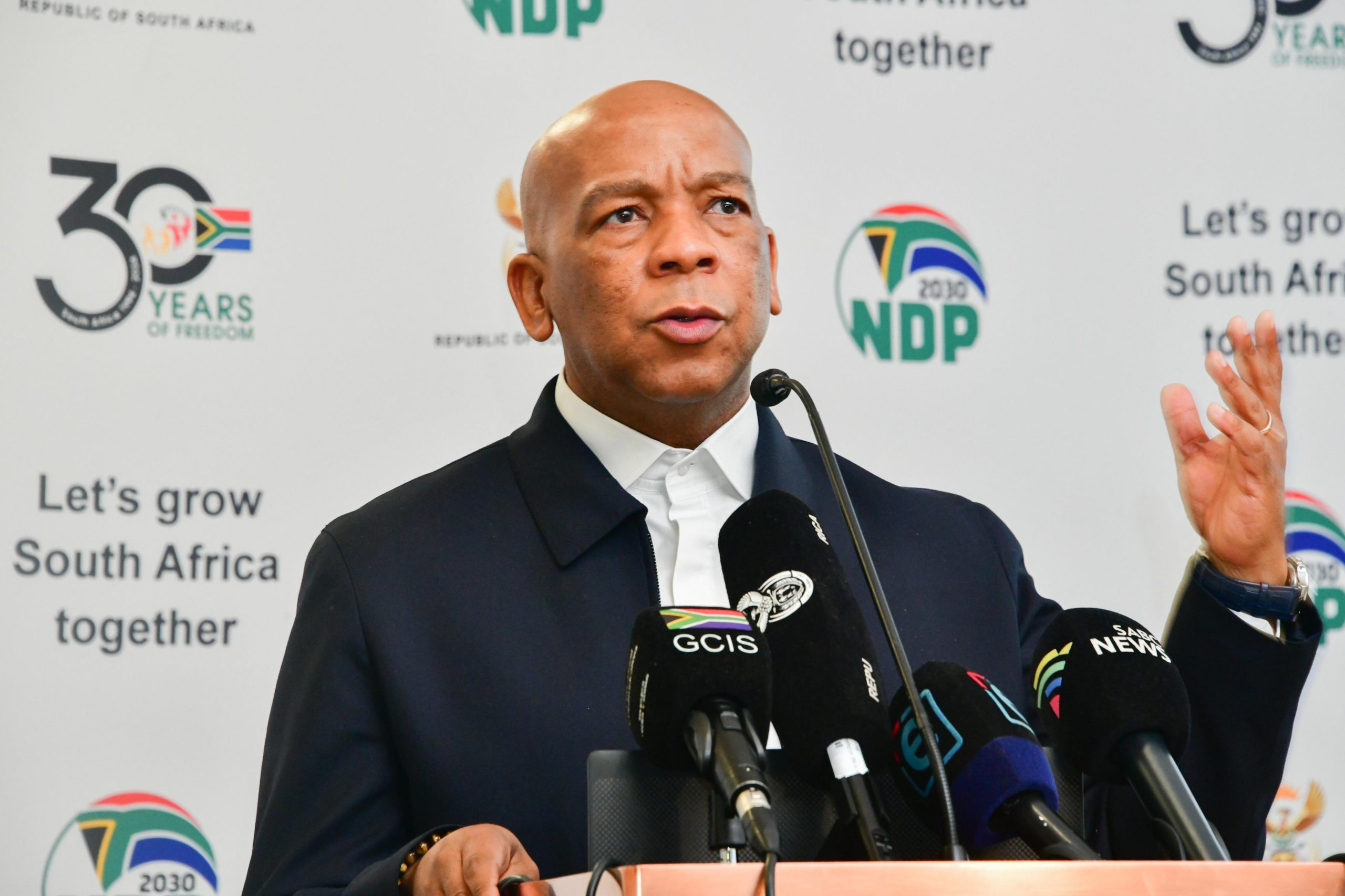
Electricity and Energy Minister Kgosientsho Ramokgopa says the current system is failing to ensure that funding intended for indigent households reaches them.
The government currently allocates about R21 billion through municipalities to support free basic electricity, but Ramokgopa says financial pressures at local government level mean some of the money is diverted towards other expenses.
“The current arrangement is that it comes as a grant, that R21 billion. Then the Minister of Finance gives it to various municipalities. Municipalities are meant to support the poor in relation to free electricity, but that’s not happening,” said Ramokgopa.
He said the government was considering giving the funding directly to Eskom, which would then use existing databases to identify households that qualify for the subsidy.
Ramokgopa said databases such as those operated by SASSA and SARS could help government identify qualifying households, although clear income thresholds would still need to be established.
“We know there’s always these databases in the country, like SASSA, SARS, and the like. You can triangulate, determine this household is poor, and then provide direct support to the household through Eskom,” he said.
The proposal could see the current free basic electricity allocation increase from 50 kilowatt hours per month to between 200kWh and 300kWh for qualifying households.
Ramokgopa said the subsidy would not be paid out as cash. Instead, electricity would be loaded directly onto smart prepaid meters at the beginning of each month.
“If there’s a house X that qualifies for free basic electricity, whatever the quantum, what we have taken out in the public is that we must increase from 50 kilowatt hours per month to anything between 200 to 300 kilowatt hours,” he said.
The minister said the approach would help ensure that the subsidy reaches its intended beneficiaries rather than being absorbed by other municipal spending pressures.
Ramokgopa also announced that Eskom’s walk-in centres, many of which were closed during the COVID-19 pandemic, are being reopened to improve access to services, particularly for people in rural communities.
The proposed changes form part of broader efforts to improve electricity access while addressing challenges surrounding municipal finances and the delivery of basic services.