


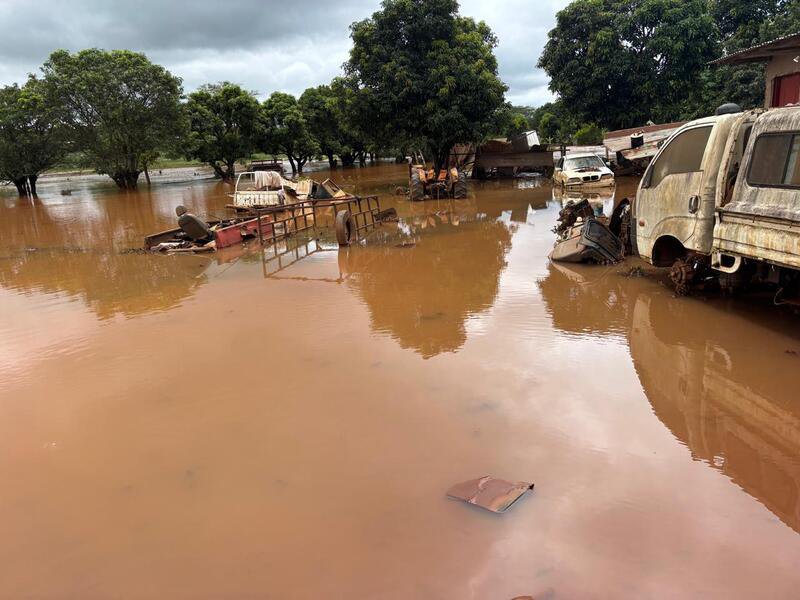
The national Department of Human Settlements has deployed an emergency housing team to the flood-ravaged provinces of Limpopo and Mpumalanga, where relentless heavy rains have displaced hundreds of families, destroyed homes, and claimed dozens of lives since early January 2026.
Human Settlements Minister Thembi Simelane has instructed the department’s emergency housing unit to collaborate closely with provincial authorities in conducting on-the-ground physical verification of affected households. This assessment will determine the required interventions, which include restoration of damaged properties, repairs, full rebuilding, or relocation to safer areas—including the provision of temporary residential units for those at ongoing flood risk.
In Limpopo, verification teams are active in four district municipalities (excluding Capricorn, where the process has not yet started). More than 1,500 households have been impacted province-wide, with over 1,000 homes damaged or destroyed and preliminary damage estimates exceeding R4 billion. The death toll in Limpopo stands at around 11 (including recent cases), with additional missing persons reports, such as a young child swept away in floodwaters.
In Mpumalanga, assessments are progressing in two districts (Ehlanzeni and Gert Sibande), where preliminary findings indicate at least four households require permanent relocation due to location below flood lines, and eight others need temporary units. Damage estimates in the province have reached approximately R2 billion, with the death toll reported as high as 20.
Spokesperson Tsekiso Machike emphasized that “to expedite the verification process, Minister Simelane has directed additional capacity be deployed in both provinces.” The department provides emergency housing assistance through four main pillars: restoration, relocation, rebuilding, and repairs.
The response comes amid ongoing severe weather threats. The South African Weather Service (SAWS) had issued a rare red Level 10 warning (the highest severity) for disruptive rainfall over parts of both provinces, with accumulations of 100–400 mm in some areas—far above January norms—leading to overflowing rivers (including the Limpopo, Olifants, and Crocodile), mudslides, infrastructure collapse, and widespread displacement. While conditions are expected to gradually ease from around 19–20 January, with reduced rain chances, risks of localized flooding persist, and orange/yellow warnings remain in effect for certain areas.
President Cyril Ramaphosa visited hard-hit zones in Limpopo, describing the situation as catastrophic. Limpopo Premier Phophi Ramathuba has highlighted the province’s efforts to prioritize community safety, fast-track disaster funding applications, and ensure rescue teams operate securely. She stressed the need to support affected residents—particularly in villages like Mbawula near Giyani—while protecting emergency personnel in dangerous conditions.
The floods have also damaged schools (at least 31 in Limpopo, delaying reopenings), clinics, roads, bridges, and farms, with Kruger National Park temporarily restricting access. Authorities urge residents in low-lying or river-adjacent areas to heed evacuation warnings and avoid flooded crossings.
This disaster forms part of a broader southern African crisis, with heavy rains linked to regional weather patterns causing over 100 deaths across countries including Mozambique and Zimbabwe.