


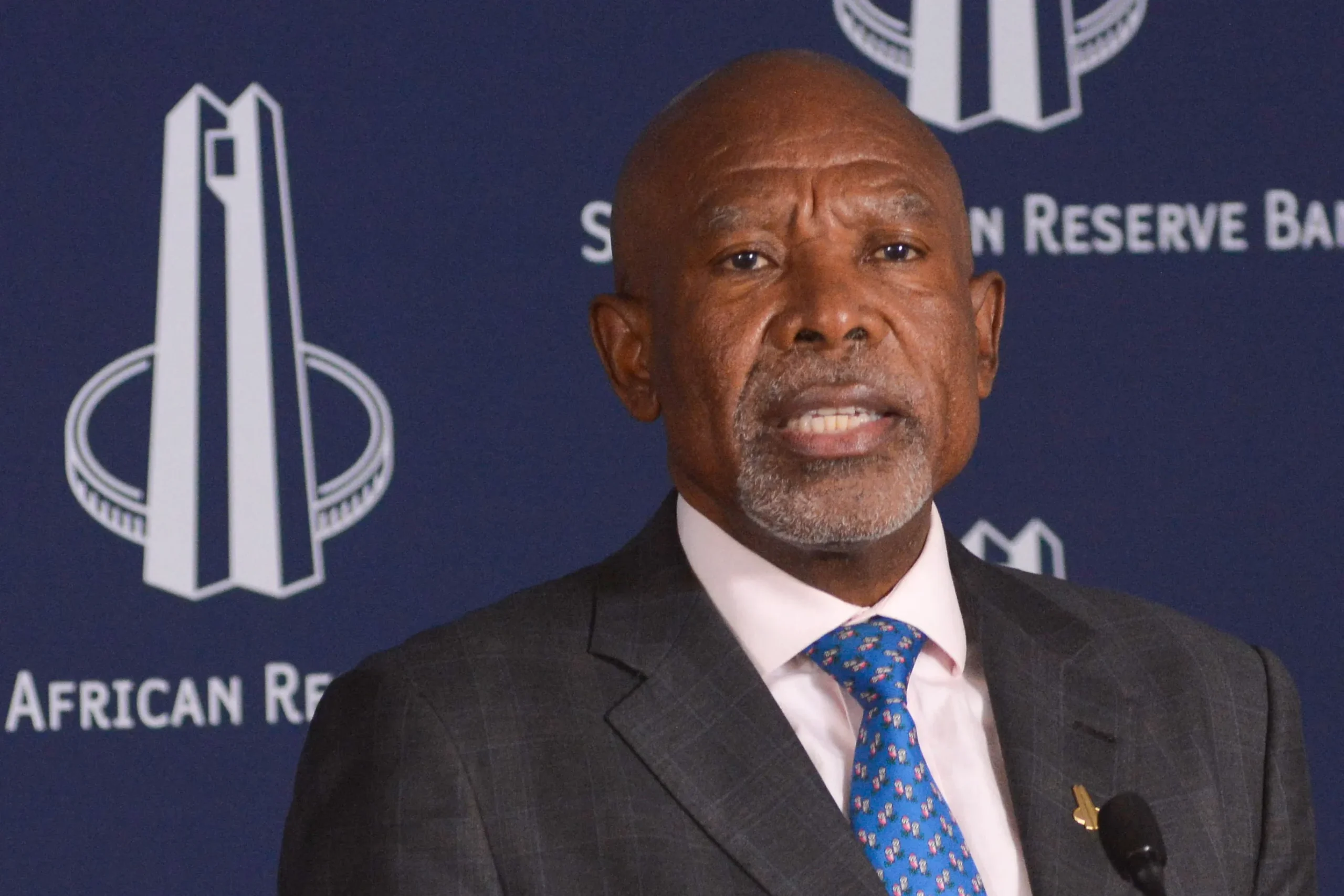
South Africa’s interest rate outlook has shifted again today as markets rapidly reprice expectations for the South African Reserve Bank (SARB), following a continued decline in global oil prices and easing inflation pressures.
Traders have significantly reduced bets on further interest rate hikes, with forward-rate agreements now pricing in only 15 basis points of tightening at the SARB’s upcoming July 23 policy meeting. This is down sharply from 30 basis points just one week ago.
Overall expectations for 2025 have also been revised lower, with markets now pricing in around 32 basis points of total rate hikes for the year, compared with 70 basis points previously. This shift suggests investors now see only one additional 25-basis-point increase, likely later in the year rather than in July.
The change in sentiment comes after easing geopolitical tensions and a US-Iran peace deal triggered a fall in oil prices, reducing one of the key drivers of imported inflation in South Africa.
The SARB had previously raised interest rates by 25 basis points to 7%, its first hike in three years, citing rising inflation risks linked to global conflict and energy price shocks. At the time, policymakers signalled that further tightening could still be required if inflation pressures persisted.
Inflation expectations have since moderated, with five-year breakeven rates falling by 16 basis points to 4.23%. This indicates improved market confidence that price pressures may stabilise in the medium term.
However, inflation remains above the SARB’s 3% target, with economists still forecasting May inflation around 4.7%, and some estimates as high as 5.1%.
Attention now turns to the SARB Monetary Policy Committee, where divisions have already emerged over the pace of future tightening. While some members remain cautious due to global risks, others may now see room to pause as external inflation pressures ease.
Despite the improved outlook, risks remain, including potential weather-related shocks such as El Niño and broader global uncertainty, which could still influence inflation and growth dynamics in the months ahead.
Overall, today’s market move reflects a clear shift: from expectations of sustained tightening to a more cautious view that South Africa’s interest rate cycle may be approaching a pause.
Additional reporting Bloomberg