


Tensions between Iran and the United States have intensified sharply, with Tehran warning that any renewed American military action could escalate the conflict beyond the Middle East.
The warning follows comments by US President Donald Trump, who said he had come close to authorising a fresh bombing campaign under Operation Epic Fury before pausing to allow room for diplomatic efforts. Negotiations to end the conflict, now weeks into a fragile ceasefire, have largely stalled.
Iran has submitted a new proposal to Washington, but its terms reportedly mirror earlier demands previously rejected by the US, including control over the Strait of Hormuz, sanctions relief, access to frozen assets, compensation for war damage, and the withdrawal of US forces from the region.
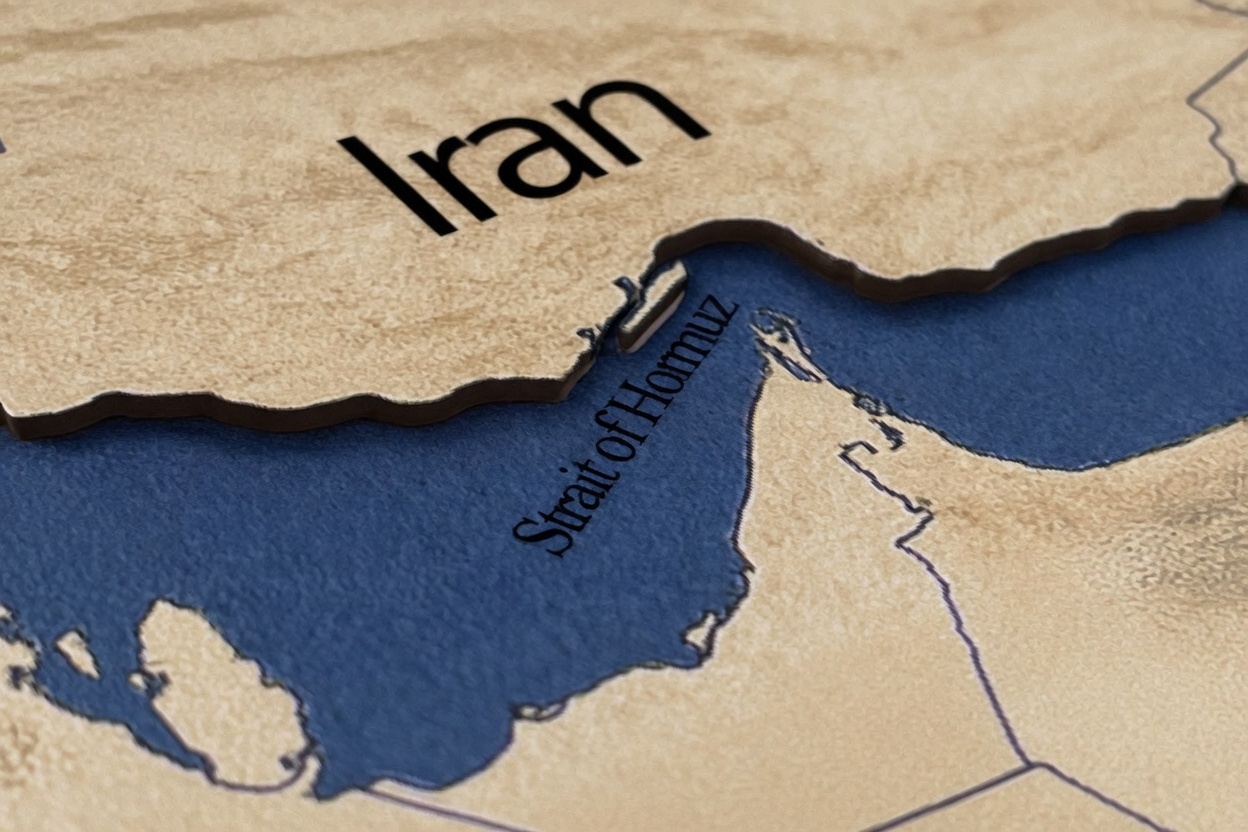
Iran’s Revolutionary Guards warned that any renewed strikes would trigger a wider regional conflict, extending beyond the Middle East. The threat comes amid ongoing volatility in maritime routes, particularly the Strait of Hormuz, a critical global energy chokepoint.
Shipping traffic through the strait has fluctuated significantly since the conflict began, though recent data shows a partial recovery, including the passage of large Chinese tankers carrying millions of barrels of oil.
Meanwhile, oil markets remain highly sensitive to political developments, with prices reacting to shifting US statements on whether diplomacy or renewed military action will prevail.
The broader conflict has already caused widespread casualties and regional instability, with attacks involving Israel, Lebanon and Gulf states contributing to escalating tensions across multiple fronts.
Despite intermittent ceasefire stability, both sides continue to exchange threats, raising concerns that the conflict could expand further if diplomatic efforts fail.