


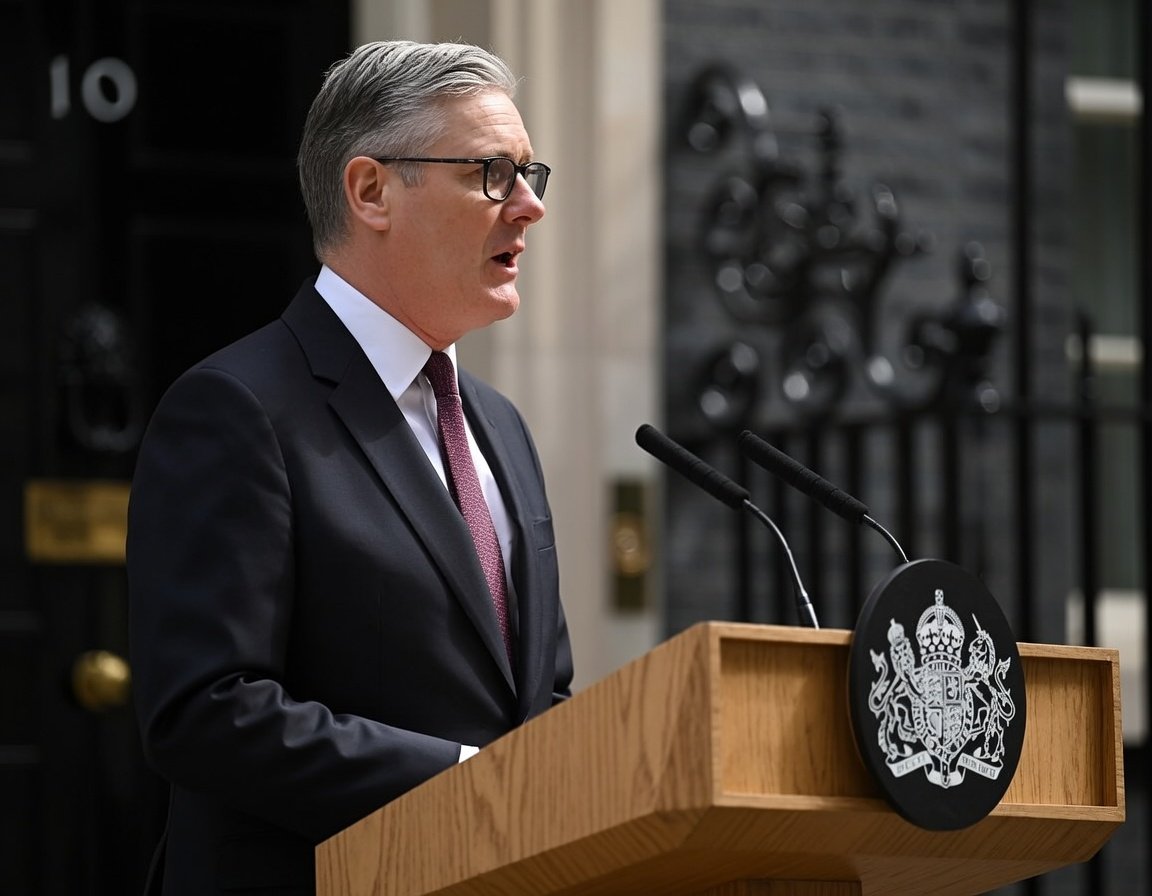
British Prime Minister Keir Starmer has announced that he will step down, less than two years after leading the Labour Party to a landslide general election victory in 2024. Starmer said he would remain in office during a transition period while the Labour Party selects a new leader.
The resignation follows weeks of mounting pressure from within Labour amid concerns about the party’s electoral prospects and growing dissatisfaction among MPs. Starmer acknowledged the need for change and outlined plans for a leadership contest to be concluded before Parliament returns in September.
Attention has already turned to potential successors, with Andy Burnham widely viewed as the frontrunner. Former health secretary Wes Streeting has publicly backed Burnham and ruled himself out of the leadership race.
Financial markets reacted calmly to the announcement. Sterling and UK government bond yields showed little movement, with analysts suggesting investors had largely anticipated the development. However, attention is now focused on the policy direction of Starmer’s successor and the composition of the next government.
Starmer’s departure marks the end of a premiership that began with significant optimism following Labour’s return to power. His tenure was marked by efforts to stabilise the economy, strengthen Britain’s international relationships and support Ukraine, but was increasingly overshadowed by internal party tensions and declining political support.
As Labour prepares to elect a new leader, Britain faces the prospect of its seventh prime minister in just over a decade.