


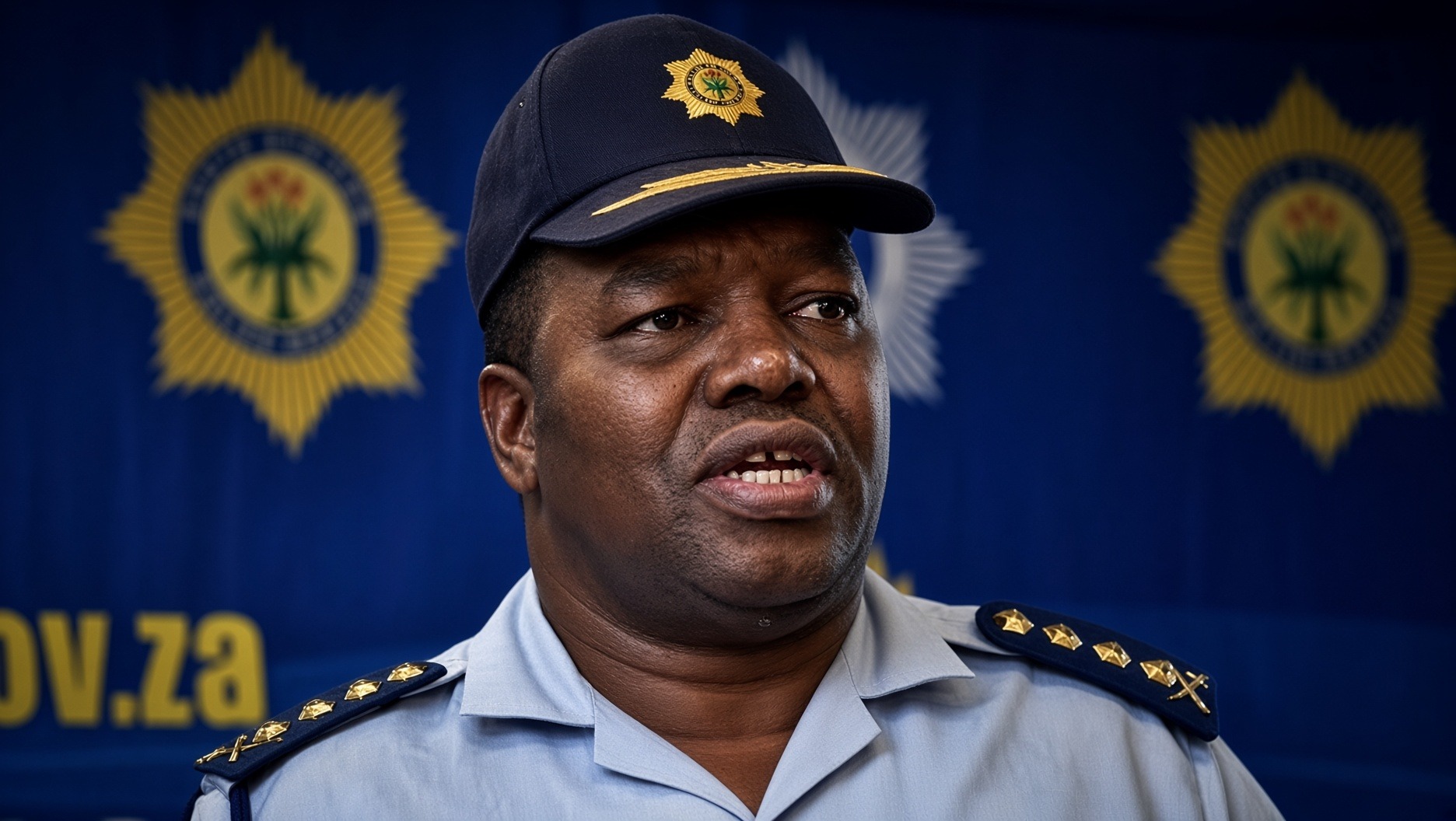
National Police Commissioner General Fannie Masemola is returning to office facing growing expectations to restore public confidence in the South African Police Service (SAPS), with anti-corruption advocates and political leaders calling for lifestyle audits, accountability and decisive action against officers linked to criminal activities.
President Cyril Ramaphosa lifted Masemola’s five-month suspension on Friday after criminal charges against him were withdrawn, clearing the way for him to resume his responsibilities at the police headquarters in Pretoria.
Masemola had been charged with contravening the Public Finance Management Act (PFMA) in connection with a R228 million police tender awarded to Medicare24, a company linked to businessman Vusimuzi “Cat” Matlala.
The National Prosecuting Authority decided not to proceed with the prosecution after determining that the available evidence offered insufficient prospects of securing a conviction. The Pretoria Magistrate’s Court formally withdrew the charges on September 22.
His reinstatement comes at a critical time for the police service, which faces mounting pressure to tackle organised crime, corruption and allegations of criminal infiltration within law enforcement institutions.
Pressure mounts for police clean-up
Organisation Undoing Tax Abuse (OUTA) chief executive Wayne Duvenage said Masemola should prioritise professionalising the police and addressing allegations emerging from the Madlanga Commission of Inquiry.
Duvenage called for lifestyle audits within SAPS, arguing that officials should be scrutinised to identify unexplained wealth and potential links to corruption.
He said restoring integrity within the institution required more than changes in leadership, stressing the need to address alleged wrongdoing and ensure that implicated officials were held accountable through appropriate processes.
The calls reflect broader concerns about the credibility of police leadership and the need to rebuild public trust in an institution responsible for combating crime.
Democratic Alliance leader Geordin Hill-Lewis has also called for comprehensive lifestyle audits of senior police officers, saying the national leadership must be free from corruption and associations with criminal networks.
Hill-Lewis argued that the police service needed stable, credible leadership capable of implementing long-term reforms.
He said officers implicated in corruption should be removed through appropriate procedures to help restore confidence in the institution.
Questions over accountability and leadership
Masemola’s suspension had also drawn criticism from political leaders who questioned why he remained out of office after the criminal case was withdrawn.
African Transformation Movement leader Vuyo Zungula called for clarity on whether any independent disciplinary or administrative proceedings justified the continued suspension.
The MK Party similarly urged Ramaphosa to reinstate the commissioner, arguing that the withdrawal of the charges required the Presidency to reconsider his status.
The debate has highlighted the distinction between criminal prosecution and other accountability mechanisms. Although the withdrawal of criminal charges means the prosecution will not proceed, it does not automatically resolve every possible administrative or parliamentary question surrounding the procurement matter.
Ramaphosa said Masemola had complied with the conditions of his suspension and conducted himself with discipline throughout the process.
The President’s decision has now shifted attention towards the commissioner’s priorities as he resumes leadership of the police service.
Calls to address wider police leadership concerns
Duvenage has also urged the President to resolve the position of suspended Police Minister Senzo Mchunu, who remains on suspension with full pay while Professor Firoz Cachalia serves as acting minister.
The South African Policing Union has also welcomed Masemola’s return, describing it as an opportunity to strengthen leadership and improve the effectiveness of the service.
With his reinstatement, Masemola faces the task of demonstrating that SAPS can confront corruption within its own ranks while improving its response to serious crime.