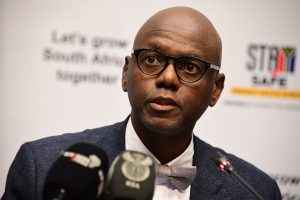



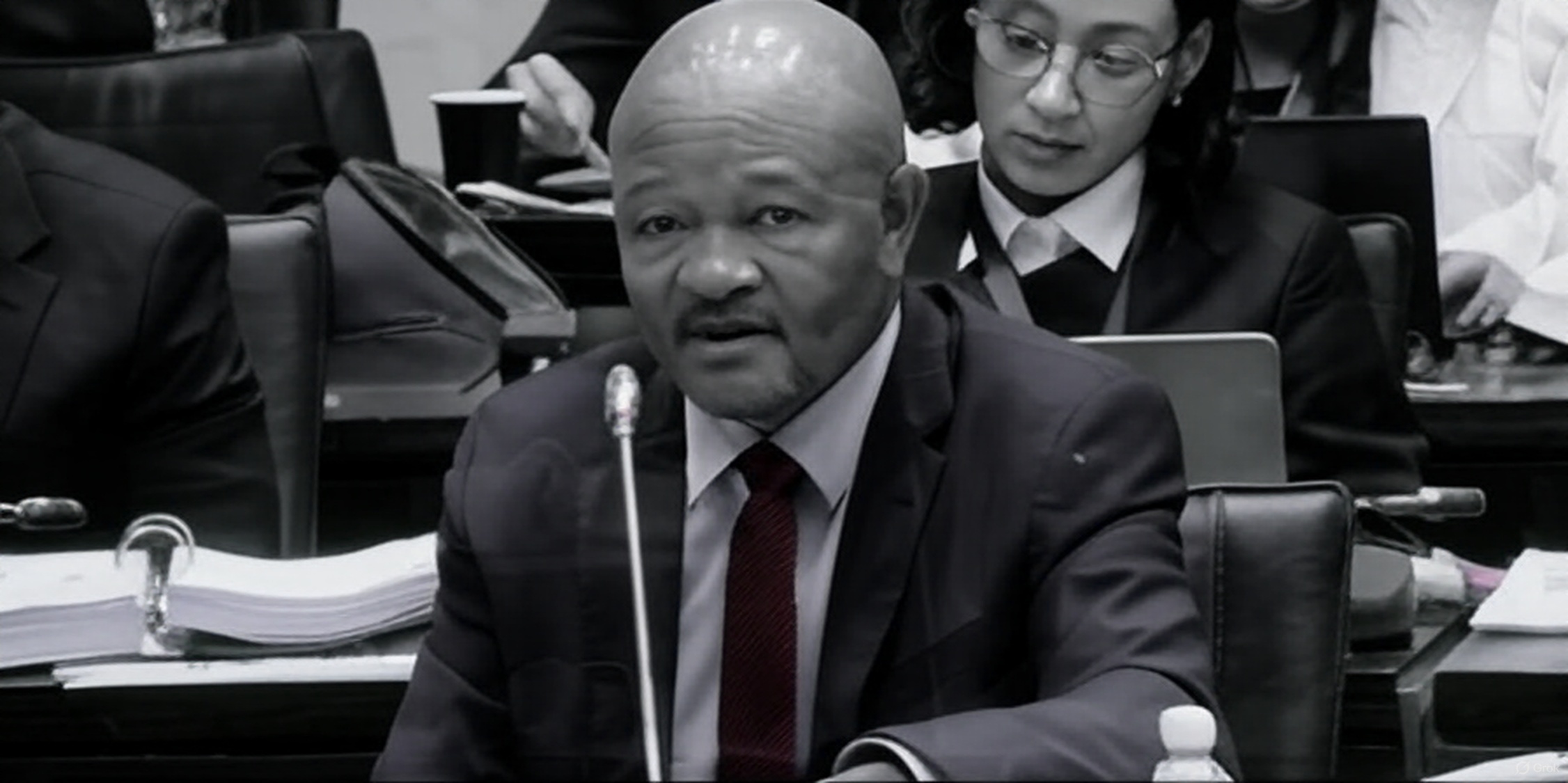
Police Minister Senzo Mchunu has defended his decision to disband the Political Killings Task Team (PKTT), telling Parliament’s Ad Hoc Committee investigating allegations of political interference and corruption in the criminal justice system that he acted within his powers and in the interest of reforming the police service.
Appearing before the committee on Thursday, Mchunu — who was placed on special leave by President Cyril Ramaphosa pending the outcome of ongoing inquiries — faced tough questioning from committee members and evidence leader Senior Counsel Norman Arendse. The minister maintained that his decision was informed by broader efforts to restructure policing and ensure a more balanced approach to tackling violent crime nationwide.
“The decision to disband the political killings task team was not taken lightly,” Mchunu told the committee. “It was about addressing policing issues holistically and ensuring that resources are distributed equitably to fight crime across the country, not only in politically sensitive cases.”
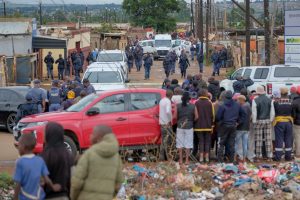
The PKTT was originally established in 2018 in KwaZulu-Natal following a spate of politically motivated assassinations targeting councillors, activists, and party members, particularly within the ANC and IFP. The unit worked closely with the Hawks and provincial police to investigate and prevent political violence, which had surged around local government elections.
However, its disbandment earlier this year drew widespread criticism from civil society and opposition parties, who accused Mchunu of undermining critical investigations into political killings. Critics also alleged that the move may have shielded high-ranking officials from accountability — allegations the minister strongly denied.
During the session, Arendse pressed Mchunu on whether he had consulted the inter-ministerial committee or senior security cluster officials before the decision was implemented. Mchunu insisted that while discussions took place with the National Police Commissioner, he was not obligated to seek formal approval from the committee.
“They wrote these things, the bulk of them last year,” Mchunu said, referring to correspondence from oversight bodies. “I did have discussions with the National Commissioner about them, and I was aware that letters were also sent to the portfolio committee. Some of these matters already had a profile before my decision.”
The exchange between Mchunu and Arendse became tense at times, with the evidence leader suggesting that the minister’s unilateral decision had significant implications for investigations already under way. Mchunu, however, maintained that his intention was to strengthen policing structures, not to obstruct justice.
“We cannot continue operating in silos,” he said. “The idea was to integrate the work of the task team into broader crime intelligence and investigative frameworks so that all murders, including political ones, receive equal attention.”
Members of the Ad Hoc Committee expressed concern over whether the move had created gaps in ongoing investigations into politically motivated murders in KwaZulu-Natal and Mpumalanga. Several MPs also questioned whether sufficient transitional arrangements had been made to ensure continuity in those cases.
The committee, chaired by former Judge Mbuyiseli Madlanga, was established following explosive allegations by KwaZulu-Natal Police Commissioner Nhlanhla Mkhwanazi that criminal syndicates and political networks had infiltrated the criminal justice system. Mkhwanazi also claimed that senior political figures, including Mchunu, had been compromised by “cartel-like” interests — claims which Mchunu has dismissed as “baseless and defamatory.”
The inquiry is running parallel to the Madlanga Commission, which is probing the same allegations and has, in recent weeks, heard in-camera testimony from witnesses citing active police investigations.
Opposition MPs, including the EFF and DA, have called for full transparency and urged the committee to make all findings public once investigations are complete. The ANC has defended Mchunu, saying he should be allowed to respond fully to the allegations before any conclusions are drawn.
For now, Mchunu remains on special leave pending the outcome of the probes. He told Parliament that he remains confident the investigations will clear his name and reaffirm the legitimacy of his decisions as minister.
“I acted in good faith, in the interest of policing, and with the intention of improving public safety,” Mchunu said. “There was no interference, no corruption — only a desire to see our police service function effectively for all South Africans.”
The committee is expected to continue hearing evidence over the coming weeks, with further witnesses from the South African Police Service (SAPS) and the State Security Agency scheduled to testify.