


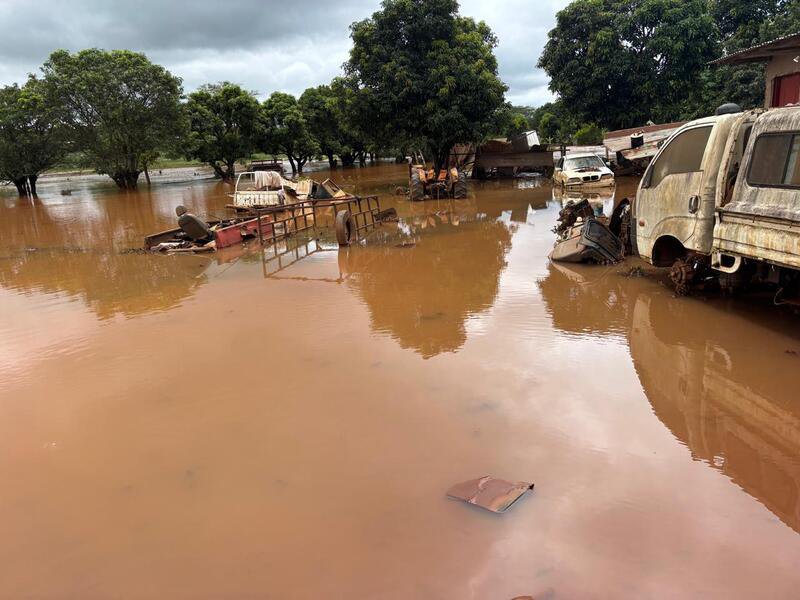
South Africa’s Minister of Cooperative Governance and Traditional Affairs (CoGTA), Velenkosini Hlabisa, will join Mpumalanga Premier Mandla Ndlovu and National Disaster Management Centre Head Dr Elias Sithole on Saturday for an on-the-ground assessment of widespread flooding that has devastated parts of the province.
The delegation’s visit comes as relentless heavy rainfall since late 2025 has triggered severe flooding across Mpumalanga and neighbouring Limpopo, claiming at least 19 lives in South Africa alone and causing extensive damage to homes, roads, bridges, and other infrastructure. Preliminary estimates place infrastructure losses in Mpumalanga at around R2 billion, with more than 1,200 households affected and several communities displaced or cut off from essential services.
“The visit will allow us to assess the extent of the damage, engage with affected communities, and evaluate the effectiveness of the relief measures currently being implemented,” a CoGTA statement said. The high-level team plans to receive detailed briefings from provincial and municipal disaster management units, meet directly with community leaders and residents, and pinpoint urgent needs for further humanitarian and recovery support.
The flooding has prompted dramatic responses, including the temporary closure of Kruger National Park—where hundreds of tourists and staff were evacuated by helicopter—and activations of aid from organisations such as Gift of the Givers at the request of Premier Ndlovu. President Cyril Ramaphosa visited flood-hit areas in Limpopo earlier this week to evaluate government interventions.
The South African Weather Service (SAWS) has escalated warnings to a rare Red Level 10 alert—the highest category—for disruptive and potentially life-threatening rainfall in parts of Mpumalanga (including Ehlanzeni District areas like Nkomazi, Mbombela, and Bushbuckridge) and Limpopo. Authorities warn that more heavy downpours are forecast through the weekend, heightening risks of further flash floods, road washaways, and infrastructure collapse.
Minister Hlabisa has repeatedly called on residents in vulnerable low-lying areas to remain vigilant, avoid crossing flooded roads, and follow evacuation orders where issued. Multi-agency teams continue relief efforts, with assessments ongoing to determine long-term relocation needs for some households.
This disaster is part of a broader regional crisis, with southern African neighbours including Mozambique and Zimbabwe also reporting significant fatalities and damage from the same weather system.
Officials urge the public to monitor updates from CoGTA, SAWS, provincial authorities, and trusted news sources. Stay safe, avoid unnecessary travel in affected regions, and report emergencies through official channels.