




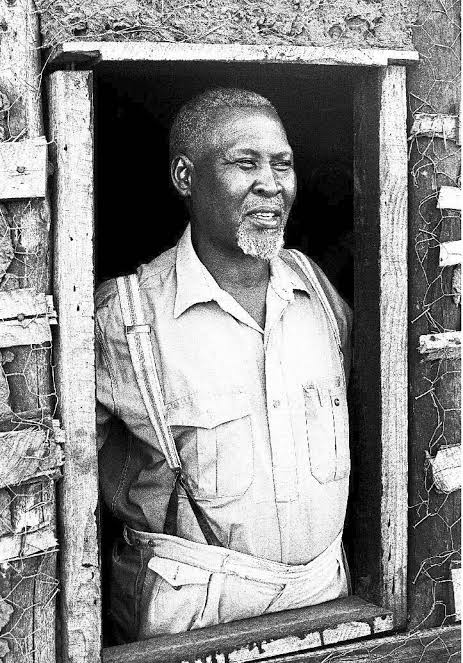
New revelations about the post-mortem conducted on Inkosi Albert Luthuli, the renowned South African statesman and Nobel Peace Prize laureate, have raised disturbing questions about the circumstances surrounding his tragic death in 1967. A review by Dr Sibusiso Johannes Nsele, a senior forensic pathologist from the KwaZulu-Natal Department of Health, revealed significant inadequacies in the original examination conducted by Dr Jakobus Johannes van Zyle. The findings suggest not only a lack of professionalism but raise serious doubts about the accuracy of the conclusions drawn from Luthuli’s autopsy.
Luthuli died shortly after being allegedly struck by a goods train on July 21, 1967, at the Mvoti River near Stanger. Nsele’s critical assessment of the post-mortem report, requested by the National Prosecuting Authority (NPA) in December 2020, underscores the hurried nature of the examination, conducted merely 90 minutes after Luthuli was declared dead. According to Nsele, the lack of detail in the report, the absence of meticulous documentation, and the oversight in reconstructing the accident scene question the validity of the train collision theory.

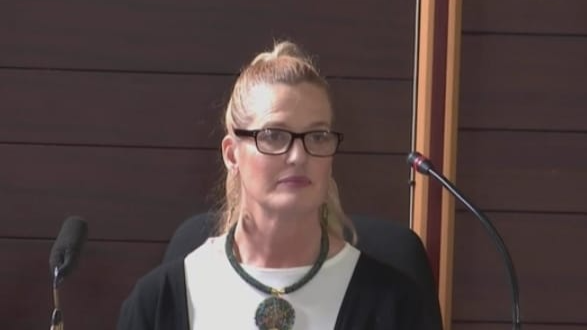
“We found a paucity of details on the post-mortem report, injuries were documented only under the heading of chief post-mortem findings,” Nsele remarked during his testimony, highlighting a significant deficiency in the assessment conducted by Van Zyle and two other physicians who examined Luthuli’s body.
The crux of Nsele’s findings indicates that the nature and pattern of Luthuli’s injuries do not align with what would typically result from a train-pedestrian collision. He pointed out that such incidents usually involve multiple fractures and extensive trauma, yet Luthuli’s examination recorded only a rib fracture and unspecified head injuries. “The interpretation of injuries did not resonate with expectations for a railway train/pedestrian collision,” he stated.
Furthermore, discrepancies surfaced regarding the sworn statements of other doctors involved in Luthuli’s case. Although they collectively claimed that Luthuli died from head and brain injuries, the evidence presented was contradictory and failed to corroborate the fatal train encounter narrative. Notably, Nsele emphasised that there was no physical evidence, such as torn clothing or blood stains, to substantiate claims that Luthuli had been struck by the train.
As the court hearings progressed, Warrant Officer Brenden Burgess, a police crime scene management analyst, corroborated Nsele’s revelations, stating that it would be improbable for Luthuli to have been hit by the train as previously concluded by the inquest in 1967. Burgess pointed out that witness accounts, particularly from the train driver Albertus Lategan, contained inconsistencies that further clouded the circumstances of Luthuli’s death.
The 1967 inquest, presided over by Magistrate CI Bosswell, had initially ruled that Luthuli had been struck by a train. However, Burgess dissected the details of Lategan’s testimony and established that the claim of Luthuli being seen “spinning” after impact was highly unlikely, given the position and mechanics of the train.
The investigation has prompted the NPA to consider alternative theories, suggesting that Luthuli might have been attacked and subsequently placed on the railway line. With the evidence of injuries on Luthuli’s hands indicating potential defensive wounds, the possibility of foul play cannot be dismissed.
The inquest continues.


