


Former French President Nicolas Sarkozy has officially begun his prison sentence, a move his legal team has described as a significant blow to the country’s justice system.
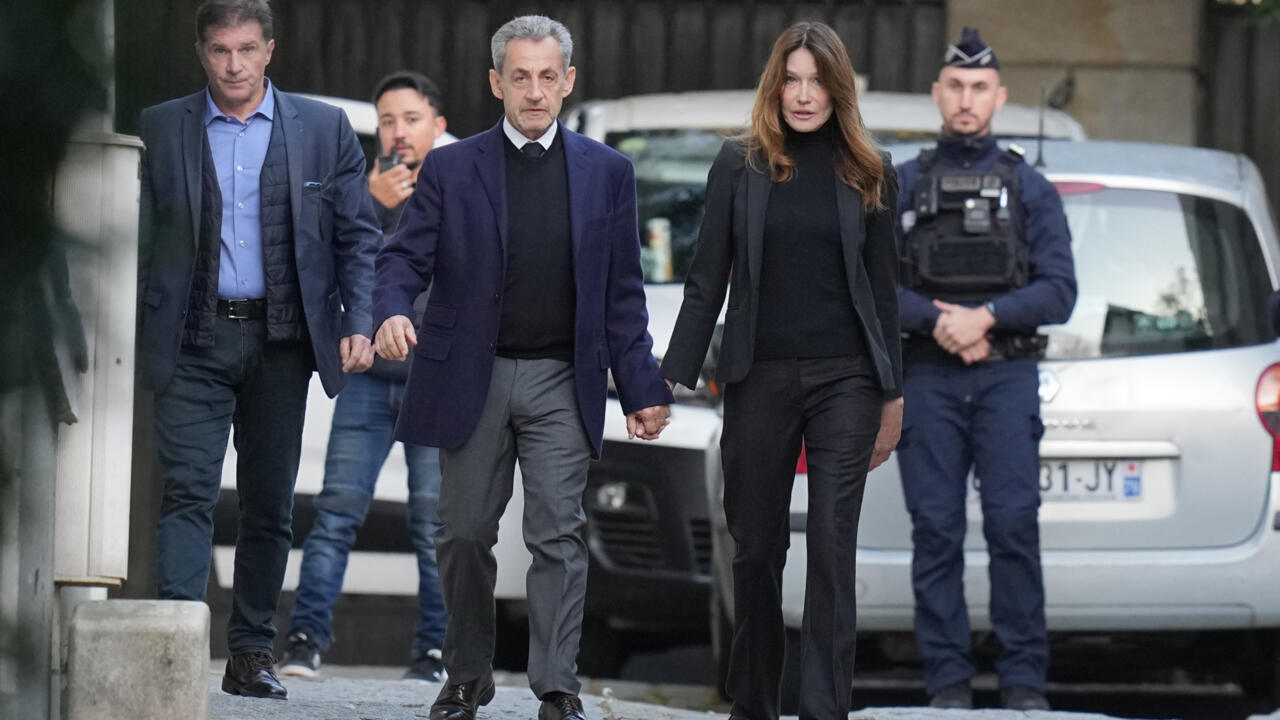
Sarkozy’s arrival at La Santé prison in Paris was marked by a show of solidarity from his supporters and a poignant farewell as he walked hand in hand with his wife, Carla Bruni.Last month, Sarkozy was convicted and sentenced for conspiring to raise illicit funds during his 2007 presidential campaign.
The scandal revolves around allegations that he received millions in cash from the late Libyan leader Muammar Gaddafi, a claim which has been a focal point of long-standing legal battles for the former president.In response to the ruling, Sarkozy’s lawyers have swiftly filed an appeal, seeking early release pending the outcome of the trial.
They contend that his imprisonment highlights significant flaws within the French judicial system and argue that they expect a review of their request within a month, with hopes of securing his release before Christmas.Supporters of Sarkozy view the conviction as politically motivated, with one of them saying, “If those who ordered the provisional execution of this sentence thought they would break him, break his spirit, break his determination, and force him to bow his head to admit to acts he didn’t commit, then that’s not going to happen.” This passionate declaration underscores Sarkozy’s resolve to maintain his innocence amidst the allegations that have tainted his political legacy.
Since his presidency from 2007 to 2012, Sarkozy has faced an array of legal challenges, with this latest conviction serving as a critical chapter in a narrative that has seen him oscillate between power and controversy.
Not only does this situation place Sarkozy’s future in the spotlight, but it also raises questions about the intersections of power, politics, and justice in contemporary France.While Sarkozy’s supporters remain adamant about his innocence, the political landscape continues to shift.
Sarkozy himself has dismissed the charges as unfounded and insists that he has not committed any wrongdoing, arguing that the legal process against him is a tactic used by his political adversaries.