





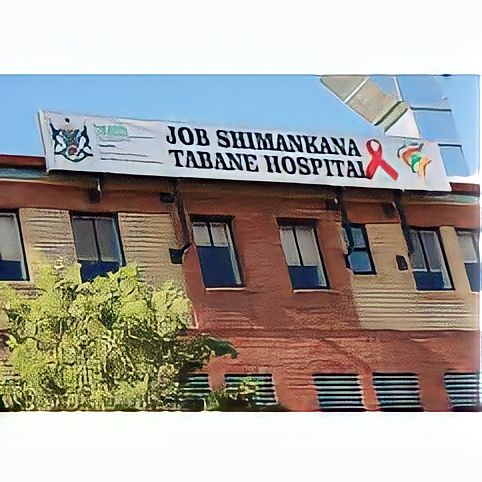
The North West Department of Health said it is monitoring the situation at the Job Shimankana Tabane Hospital in Rustenburg, following reported challenges of water scarcity and space to treat patients at the facility.
This after four wards at the hospital, including an Intensive Care Unit, experienced water supply challenges, after the Rustenburg Local Municipality implemented water shedding in the area where the hospital is located.
“The water problem is because of challenges of water between Rand Water and Rustenburg Local Municipality that resulted in water shedding.
The cause of the water shortage is as a result of the municipality reduction in the supply system of water, because of the general shortage of water in the municipal area.
The hospital is supplied by the municipality directly,” said Health MEC Madoda who was speaking on YouFM News Hour programme.
Sambatha, who conducted an oversight visit at the facility on Tuesday, said the hospital requires about one million litres per day of water, to run its operations uninterrupted.
The MEC highlighted that because of the water reduction, there is low pressure when the water comes not in an expected volume, and unable to supply areas that are in the upscale.
“There was water tankering last week, but the department must also get its own tanker.
The pressure of the valve had to be increased so that the booster pump could work properly.
Because of the low pressure of water, you needed the entire volume of the booster pump, and the department also bought booster pumps.
Only four wards, one ICU, are affected because they’re located in the upper levels of the hospital.
You need higher pressure to send water to those wards,” added Sambatha.
He said the problem started last week and the municipality took responsibility for water tankering but it wasn’t enough to remedy the situation.
The MEC stressed that if the situation doesn’t improve by Wednesday, affected patients and workers will be transferred to other health facilities in the Bojanala Platinum District.
“If there’s no water today (Wednesday), patients and workers from those wards, for their safety and to avoid the spread of infections, they’ll be transferred to state facilities and private facilities in the districts, or anywhere.
We can’t keep them there if there’s no water and they must first analyse the risk of the patients and check the availability of beds at other health facilities,” explained the MEC.
Some of the health facilities mentioned by the MEC include the Brits, Moses Kotane and Bleskop Hospitals.
Sambatha said the department is planning to install boreholes at all health facilities and that the facilities must be directly connected to the reservoirs, and not with the community to avoid such incidents in the future.


