


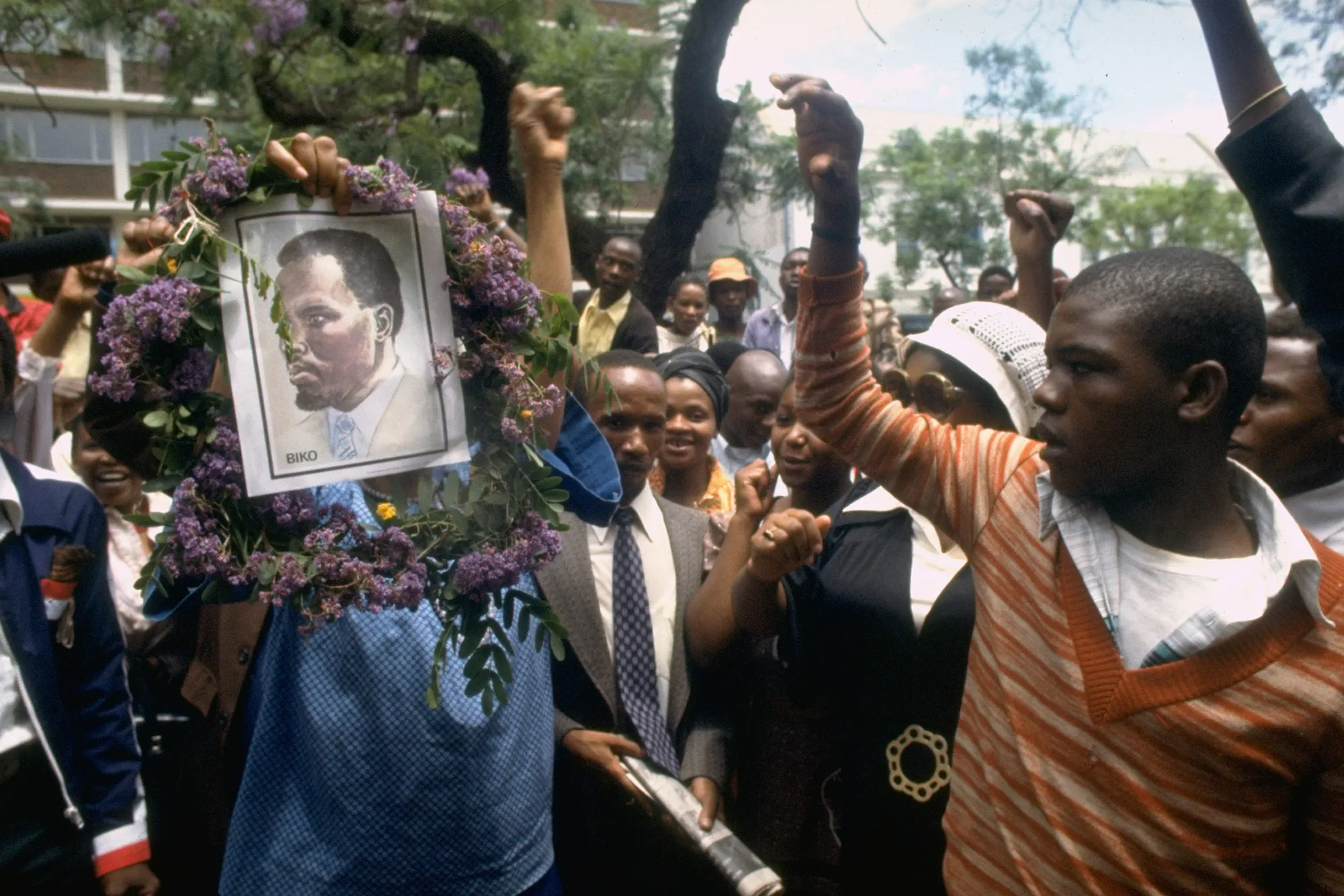
The National Prosecuting Authority (NPA) in the Eastern Cape will reopen the inquest into the death of anti-apartheid activist Steve Biko on Friday, marking exactly 48 years since his tragic demise. Biko, the founder and leader of the Black Consciousness Movement, was a prominent figure in the fight against the apartheid regime in South Africa.
The decision to reinvestigate Biko’s death comes after the Minister of Justice and Constitutional Development approved a request from the National Director of Public Prosecutions, a move that has garnered the support of Biko’s family legal representatives. As stated by NPA regional spokesperson Luxolo Tyali, “The main goal of reopening the inquest is to lay before the court evidence that will enable the court to make a finding as to whether the death was brought about by any act or omission, which prima facie involves or amounts to an offence on the part of any person.”
Steve Biko’s plight began on 18 August 1977 when he was arrested, along with his ally Peter Jones, at a roadblock near Grahamstown (now Makhanda). The apartheid police accused him of violating his banning orders that limited his movements to the town of King Williamstown (Qonce). Once in custody at Walmer Police Station in Port Elizabeth (Gqeberha), Biko was reportedly subjected to brutal torture while shackled in leg irons and kept naked in a cell. Tragically, it was only after nearly a month that medical assistance was sought when “foam” was found around his mouth.
Ultimately, Biko was transported—a naked and unconscious prisoner—to a hospital in Pretoria, 1 200 kilometres away, where he died on 12 September 1977 at the young age of 30. The police initially recorded his cause of death as extensive brain injury alongside several other medical issues, a report that served to shield those responsible for his treatment and demise.
In November 1977, a formal inquest took place, during which the narrative provided by Biko’s captors—members of the notorious Special Branch—claimed he sustained his injuries from an altercation with the police. This version was accepted by Chief Magistrate MJ Prins, leading to the exoneration of the medical officials involved in Biko’s care. Subsequently, the Attorney General of the Eastern Cape declined to prosecute anyone linked to Biko’s death.
In 1997, during the Truth and Reconciliation Commission (TRC), several former Special Branch officers applied for amnesty regarding the case. They admitted to fabricating their testimonies and stated that Biko had attacked one of their officers, leading to the injuries. However, the TRC found their claims unconvincing and contradictory, ultimately denying them amnesty due to the absence of political motive.
The reopening of this inquest aims to shine new light on a critical chapter in South Africa’s history. It represents a pursuit for truth, justice, and closure for the Biko family and acknowledges the broader societal desire to address the injustices of the apartheid era.