





Oceana Group, a frontrunner in South Africa’s fishing industry, has signalled alarming forecasts for its financial performance for the year ending September 30, 2025, predicting a staggering 40% decrease in headline earnings per share (HEPS). This downturn, anticipated to translate to a drop of over 367 cents per share from last year’s reported 917.6 cents, reflects the impact of a dramatic fall in fish oil prices, which have plunged by half from record highs observed a year prior.
The plummeting fish oil prices have been closely tied to a resurgence in the Peruvian anchovy biomass, prompting a necessary market correction following an unprecedented spike in prices. Additionally, the performance of Daybrook has not lived up to expectations, contrasting sharply with the robust earnings recorded in the preceding period.
The 11-month results ending August 24, 2025, have underscored ongoing obstacles faced by the group, as they reported lower revenue and profitability due to a staggering average 50% decline in fish oil sales prices. Despite these challenges, there is a glimmer of hope within Oceana’s operations, particularly in its Lucky Star food division, which exhibited resilience amid economic pressures.
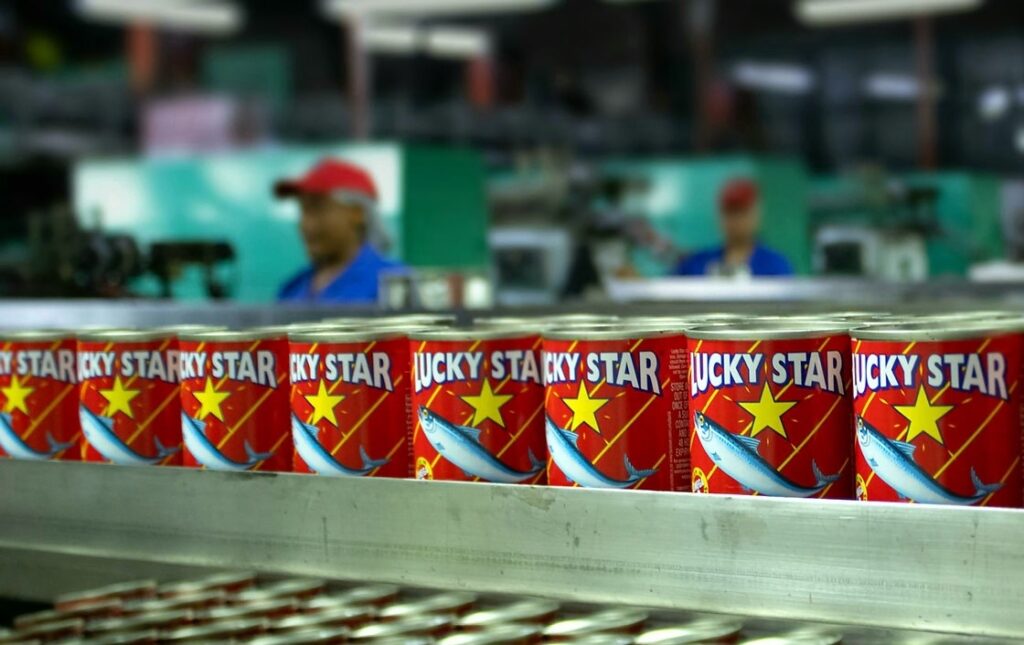
Lucky Star recorded a modest rise of 1% in canned pilchard volumes, predominantly fuelled by a surge in export demand, whereas local demand remained flat. The division’s performance stands in stark contrast to the downturns in other segments, with notable improvements in the Hake sector. This segment has benefited from enhanced catch rates and higher sales prices, showcasing Oceana’s agility in adapting to market dynamics less affected by external pressures.
Conversely, the horse mackerel sector finds itself in a precarious position. Despite robust demand, low catch rates in both South Africa and Namibia have hampered overall performance, casting a shadow over an otherwise promising market. However, in pilchards, landings recorded a 4% increase from the same period last year, with strong catches in the first half offset by weaker landings later in the year.
On the fishmeal and fish oil front, Oceana’s Africa operations processed 18% more volume, riding on increased pilchard trimmings and higher industrial fish landings. Yet, operating profits took a hit due to plummeting sales prices for both fishmeal and fish oil, leading to reduced inventory levels towards the period’s conclusion as heightened sales activity took place.
Beyond South African shores, the Gulf Menhaden fishing season across the Atlantic has seen landings jump 16% higher than the same week in 2024, although this surge was tempered by a downturn in US dollar prices for fishmeal and fish oil.
In a silver lining, Oceana’s Wild Caught Seafood segment has shown promising trends, buoyed by improved hake performance and a reduction in horse mackerel losses.
Increased reliability of the Desert Diamond has also contributed positively through an uptick in sea days, even if disappointing catch rates in Namibia dampened the overall optimism.


