


The landscape of Gaza is shifting as the Israeli military has announced a partial withdrawal of troops following a ceasefire agreement with Hamas that took effect early on Friday morning. This significant development comes amid a backdrop of intense conflict, with Israel agreeing to the first phase of a ceasefire plan first proposed by US President Donald Trump.
According to Israeli forces, troops have repositioned themselves within the territory but still occupy approximately half of the Gaza Strip. Eyewitness accounts describe the withdrawal extending from the north-western outskirts of Gaza City towards the eastern areas, as well as from the Khan Younis region in the south.
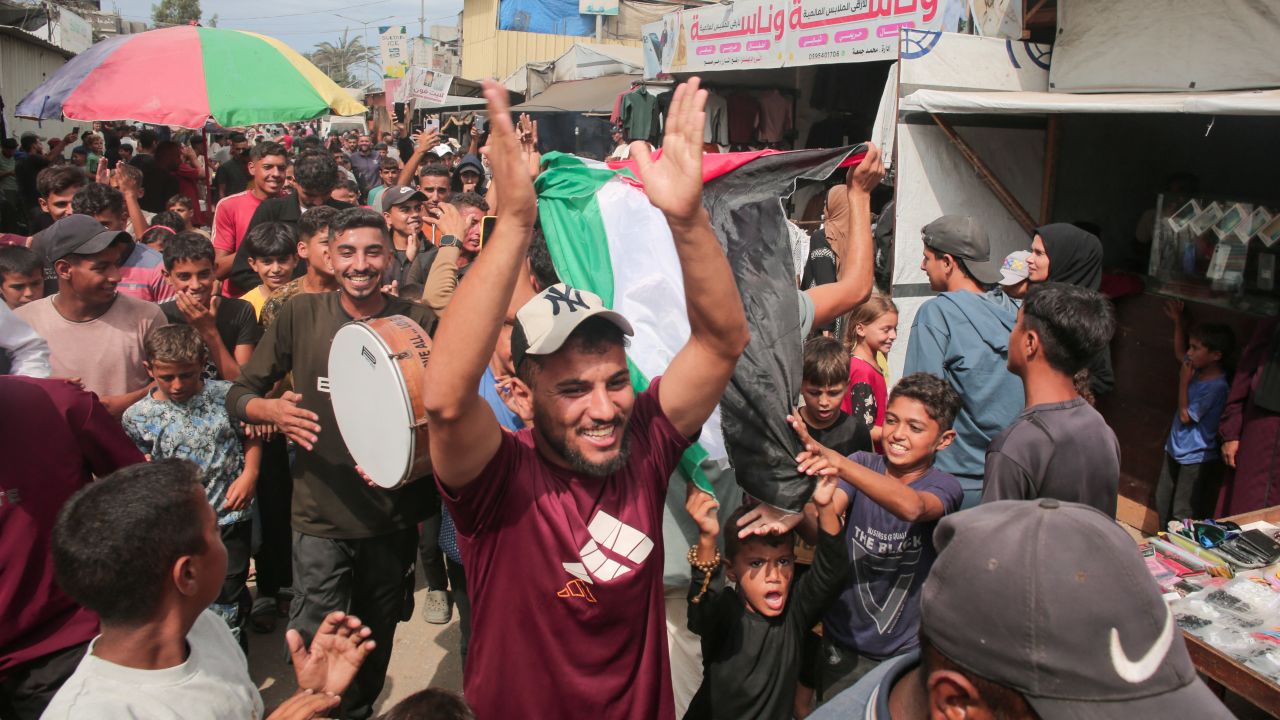
Footage coming from the region shows thousands of displaced Palestinians making their way north, navigating the rubble-laden paths in search of their homes. The mass movement of people, many of whom are visibly weak and malnourished, highlights the dire humanitarian situation exacerbated by months of bombardment.
The ceasefire comes after intense negotiations, with key components demanding the release of hostages held by Hamas by Monday. Among the 20 believed to be alive, there are also up to 28 remains yet to be returned. In exchange, Israel is expected to release around 250 Palestinian prisoners, many of whom have been serving life sentences. Reports suggest that around 100 will be sent to the West Bank, with additional deportations anticipated.
The agreement also mandates the delivery of humanitarian aid. From Friday, around 600 trucks carrying much-needed supplies are expected to enter Gaza daily. However, the implementation of this aid remains unclear, with many in Gaza still grappling with the dire conditions following a famine declared in part of the territory in August.
UN experts highlighted that over half a million people in Gaza are facing catastrophic living conditions, amid claims from Israel that starvation is not a reality within its borders. As civilians begin their treks back home, they confront a landscape markedly changed by conflict, with many areas described as unrecognisable.
In a statement, the Israel Defense Forces (IDF) confirmed the beginning of repositioning along their designated lines of control, known as the “yellow line,” which signifies the new parameters of military presence in the area. Prime Minister Benjamin Netanyahu expressed his commitment to fulfilling promises made regarding the return of hostages while reinforcing the stance that Hamas must be disarmed.
The aftermath of the ceasefire remains fraught with uncertainty. Although some families in Israel rejoice at the prospect of hostages being released, the ongoing chaos and loss of life on both sides weigh heavily on many. The grim reality is accentuated by rising civilian casualties, with over 67,000 Palestinians reported killed since the onset of violence triggered by Hamas-led attacks on 7 October 2023, resulting in around 1,200 fatalities in Israel.
As Gazans begin their arduous journeys home, many carry not just the remnants of their lives but also the crushing weight of devastation and loss. Alaa Saleh, a schoolteacher, described the struggle of traversing difficult roads devoid of food and water: “The road is long and difficult,” he said, encapsulating the resolve of countless others determined to reclaim their homes amid the ruins.
Additional reporting by bbc news