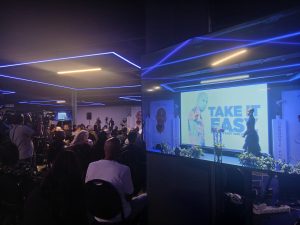



Representatives from some sixteen African countries have gathered in Sandton, Johannesburg to discuss an adapt principles as well as guidelines on the use of digital and social media in elections in Africa.
The Principles and Guidelines for the Use of Digital and Social Media in Elections is meant to assist electoral bodies and other stakeholders across the continent realise the advantages and disadvantages of digital as well as social media in elections which organisers say have become so influential they can manipulate an outcome or impact on the credibility of an election negatively.
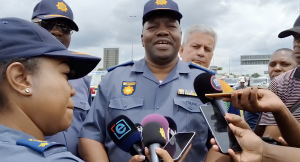
“Governments are expected to assist their EMBs ( Election Management Bodies) to domestic the guidelines in order to give them practical effect,”said IEC Chairperson Mosotho Mpse during a media briefing he conducted alongside Deputy President Paul Mashatile on the sidelines of the launch.
The Deputy President said the government is alive to the influence of digital and social media had created an environment where free and fair elections could be held.
“You would have heard some of the leaders already claiming that the upcoming elections ( in SA) could be rigged and so on so we are alive to the reality of the influence of digital and social media and I think our state institutions, including the intelligence services are always prepared to deal with any campaigns of disinformation or misinformation which may result in tension and violence,” he said.
Mashatile said South Africa was itself a perfect Example of an African country that has held successive free and fair elections.
“We believe that our experience in creating and maintaining a conducive environment for free and fair elections having done it since 1994 is something for the continent to build on,” said the Deputy President.
Mashatile appealed to the sixteen signatories to ensure the principles and guidelines are practiced immediately with no less than 20 African countries scheduled to hold elections this year.
“We will be able to safeguard the values of democracy through free and fair elections and allow voters to make their choices. We have a significant obligation to educate our population about the risk associated with disseminating misinformation particularly concerning elections since false claims can erode trust in the electoral processes and provoke of anti voters and instability in our countries. Misinformation and disinformation are a threat to democracy, they undermine confidence in our elections and have potential to surpress voter turnout,” he said.
Gabon, Senegal, Uganda and Kenya are the latest African countries to experience deadly elections related violence.
The South African National Editors Forum said digital and social media platforms created an opportunity for groupings to peddle pure fabrications with an intention to trigger unrest.
“They’re not regulated or held accountable in any way. These could be dozens of accounts operated by small groups that spread lies to trigger instability. We think this initiative will go a long way in making it difficult for these groupings to influence elections,” said SANEF Chairperson Sibusiso Mngadi.
The guidelines also discourage governments from interfering with the free flow of information by among others jamming internet connectivity and targeting critical journalists and NGOs for extra judicial arrests.