


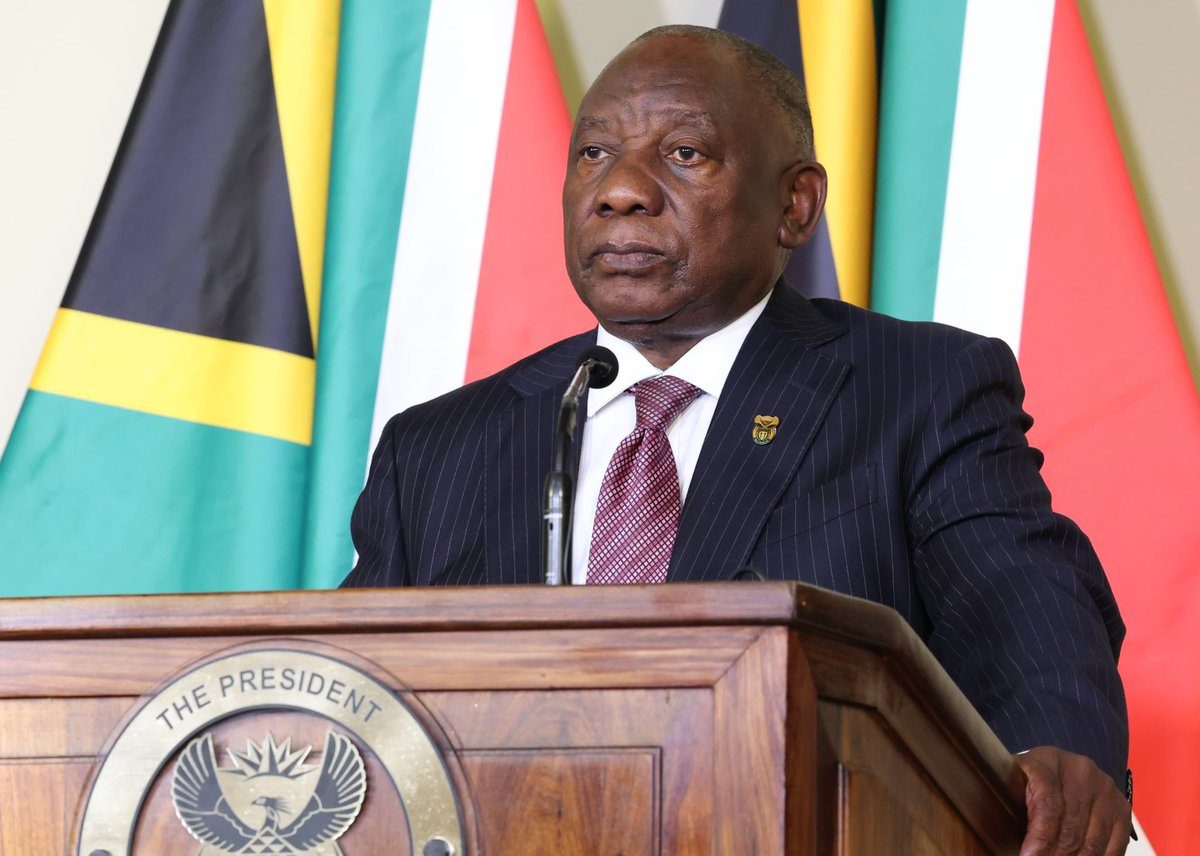
In a solemn address to the nation, President Cyril Ramaphosa last night unveiled a comprehensive government plan aimed at combating the alarming spike in food-borne illnesses that have tragically claimed the lives of at least 22 children across South Africa since early September. As reported incidents of food-related sicknesses reached a staggering 890 nationwide, the President called upon all South Africans to unite in overcoming this pressing crisis.
Ramaphosa conveyed heartfelt condolences to the families impacted by this tragedy, acknowledging that “few words can adequately convey sadness and pain as a nation.” He emphasised the urgent need for collaborative efforts to prevent such heart-wrenching losses in the future, declaring, “We must do what it takes to make sure such tragedies never happen again.”
The President revealed that initial investigations have traced the cause of deaths in Naledi, Soweto to Terbufos, a hazardous pesticide. The National Institute for Communicable Diseases found traces of this chemical on a snack packet from one of the deceased. He disclosed that illegal pesticides have been seized from various spaza shops, revealing disturbing practices where food was improperly stored alongside dangerous substances.
Additionally, he highlighted the use of other hazardous chemicals, including Aldicarb and Galephirimi, which are available through street vendors and hawkers as remedies for rodent infestations. Acknowledging the dire implications of poor waste management practices in several municipalities, Ramaphosa noted that rat infestations often exacerbate the sale and use of these toxic substances in impoverished communities.
“The poorest communities are the worst affected,” he lamented. “The cheapest remedies available are often the most hazardous.” Addressing the systemic issues at play, he noted that many municipalities lack the necessary resources and capacities to effectively monitor and enforce health regulations in food handling establishments.
A significant point he made was the necessity of combating misinformation surrounding these tragic events. “There is no evidence that the problem is confined to spaza shops owned by foreign nationals only,” he clarified, urging citizens to remain vigilant and informed amid these troubling circumstances.
As part of his action plan, Ramaphosa announced immediate closures of implicated spaza shops and mandated that all food handling facilities must be registered with their respective municipalities within 21 days. Furthermore, he pledged that non-compliant businesses would face stringent sanctions, including closure and prosecution.
Additionally, a comprehensive inspection regime is to be established aimed at food producers, distributors, and retailers. The local South African Police Service (SAPS) and other law enforcement entities will play a critical role in investigating and prosecuting violations related to food safety.
In a bid to fortify schools against food-borne illnesses, the Department of Basic Education will soon issue new protocols for managing food safety in educational environments. This initiative includes strict regulations regarding the sale and preparation of food on school premises, further ensuring the wellbeing of South African children.
Furthermore, the President announced the establishment of a joint fund of R500 million designated to support township and rural businesses, aiding in their refurbishment and compliance with health standards. “As consumers and parents, we all have a role to play in ensuring our children’s safety,” he asserted, urging families to purchase food only from licensed vendors who adhere to safety regulations.
Urgent action is to be taken by municipalities to combat the rampant rat infestations affecting their communities, with instructions to comply with the National Environmental Management Waste Act, or face severe sanctions.
In his concluding remarks, President Ramaphosa called for a concerted national effort to address these challenges, affirming, “We can make a difference if we stand together as a united front to safeguard our children’s health and future.”