



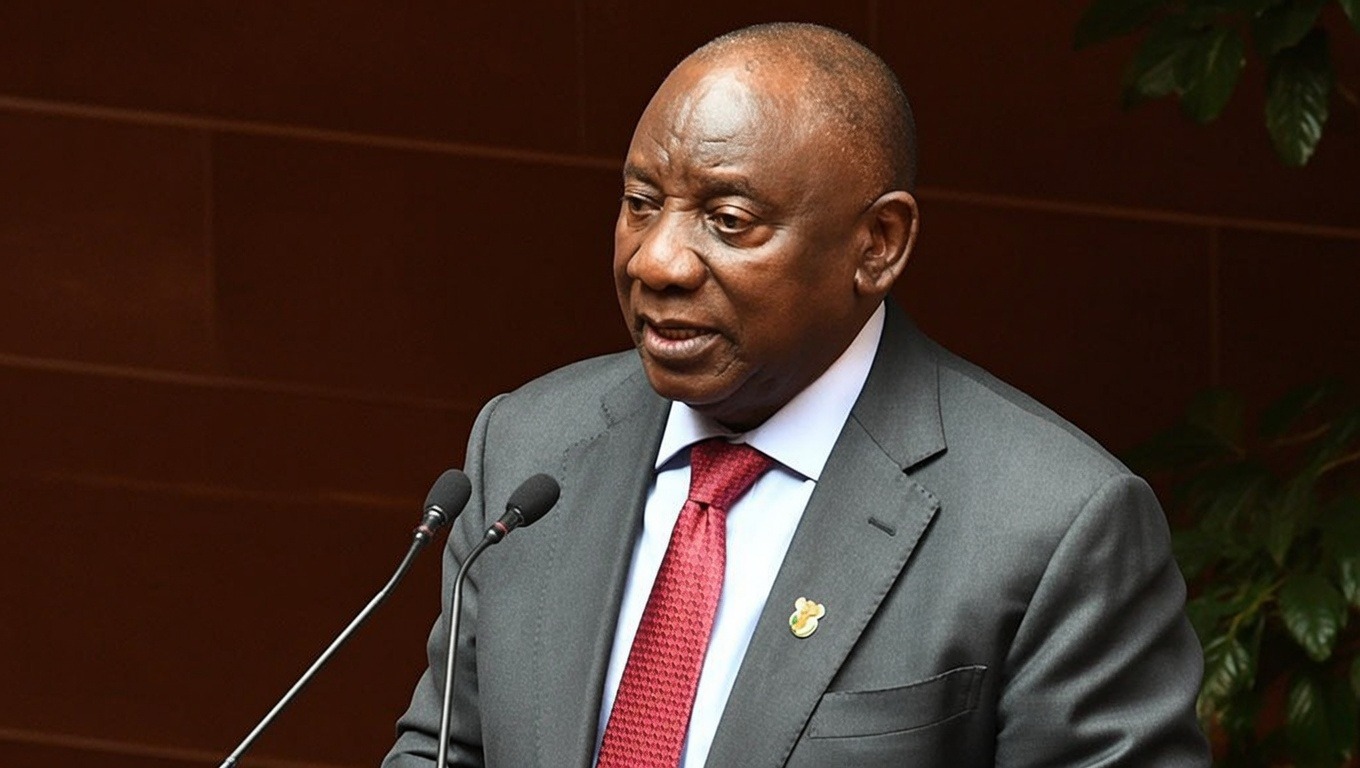
President Cyril Ramaphosa has urged Southern African Development Community (SADC) leaders to stand together to accelerate economic development across the region, just as they did in the struggle against colonialism, minority rule and apartheid.
Ramaphosa, who assumed the SADC Chair on Monday, was speaking at the 46th Ordinary Summit of SADC Heads of State and Government in Durban.
The President said that, having overcome conflict and oppression, the region must now focus its efforts on economic development and ensuring that political liberation translates into tangible improvements in people’s lives.
“Today, our task is to give economic and social meaning to that political liberation. We are a community of 16 nations and more than 400 million people. We possess abundant mineral resources, vast agricultural potential, a youthful population and growing industrial and technological capabilities. We have made important progress,” said Ramaphosa.
He highlighted significant advances in regional integration, including the SADC Real-Time Gross Settlement System and the Southern African Power Pool, which enables member states to share electricity infrastructure and resources across national borders.
Ramaphosa also applauded regional cooperation, saying it had strengthened SADC’s collective capacity to prevent conflict, support democratic governance and respond to political and security challenges.
“Through the Africa Centres for Disease Control and Prevention and the World Health Organization, we are strengthening disease surveillance, pandemic preparedness and health security across our region.
“The importance of this cooperation is demonstrated by the devastating Ebola outbreak caused by the Bundibugyo virus in the Democratic Republic of Congo,” the President said.
Despite welcoming progress towards regional integration, Ramaphosa expressed concern about the slow pace of economic transformation.
SADC recorded economic growth of approximately 3.4% in 2025, while intra-SADC trade accounted for only around one-fifth of the region’s total trade.
Ramaphosa said the region had yet to unlock the full potential of its regional market.
“We continue to import too many goods that we could produce within our region. We continue to export raw materials that we could process and beneficiate ourselves. We continue to procure services from elsewhere that our own people and businesses have the skills and capacity to provide.
“Every raw mineral exported without beneficiation represents value that has left our shores. Every product imported that could competitively be manufactured here represents jobs that could have been created in our communities,” he said.
Ramaphosa reminded delegates that people across the region want to see the benefits of economic liberation through decent jobs, growing industries, reliable electricity, affordable food, quality healthcare, education and greater opportunities for young people.
He urged the summit to accelerate implementation of the Regional Indicative Strategic Development Plan 2020–2030, which focuses on industrialisation, regional infrastructure investment, strengthening energy, water and digital security, and building climate-resilient food systems.
South Africa’s SADC Chairship
As South Africa assumes the SADC Chairship, Ramaphosa pledged to work closely with every member state, guided by the principles of sovereign equality, mutual respect and consensus-building.
“We will continue to build on the work of the previous Chairpersons of SADC, who have led our community with vision and dedication. We will take forward the progress that has been made towards the achievement of our Vision 2050 and the implementation of the SADC Regional Indicative Strategic Development Plan.
“We will seek greater integration of our economies, building ties of trade and investment that drive resilient, sustainable and inclusive industrialisation.
“Working together with all Member States, we will promote peace, security and stability in our region, which are essential conditions for the well-being and development of our people,” Ramaphosa said.

