



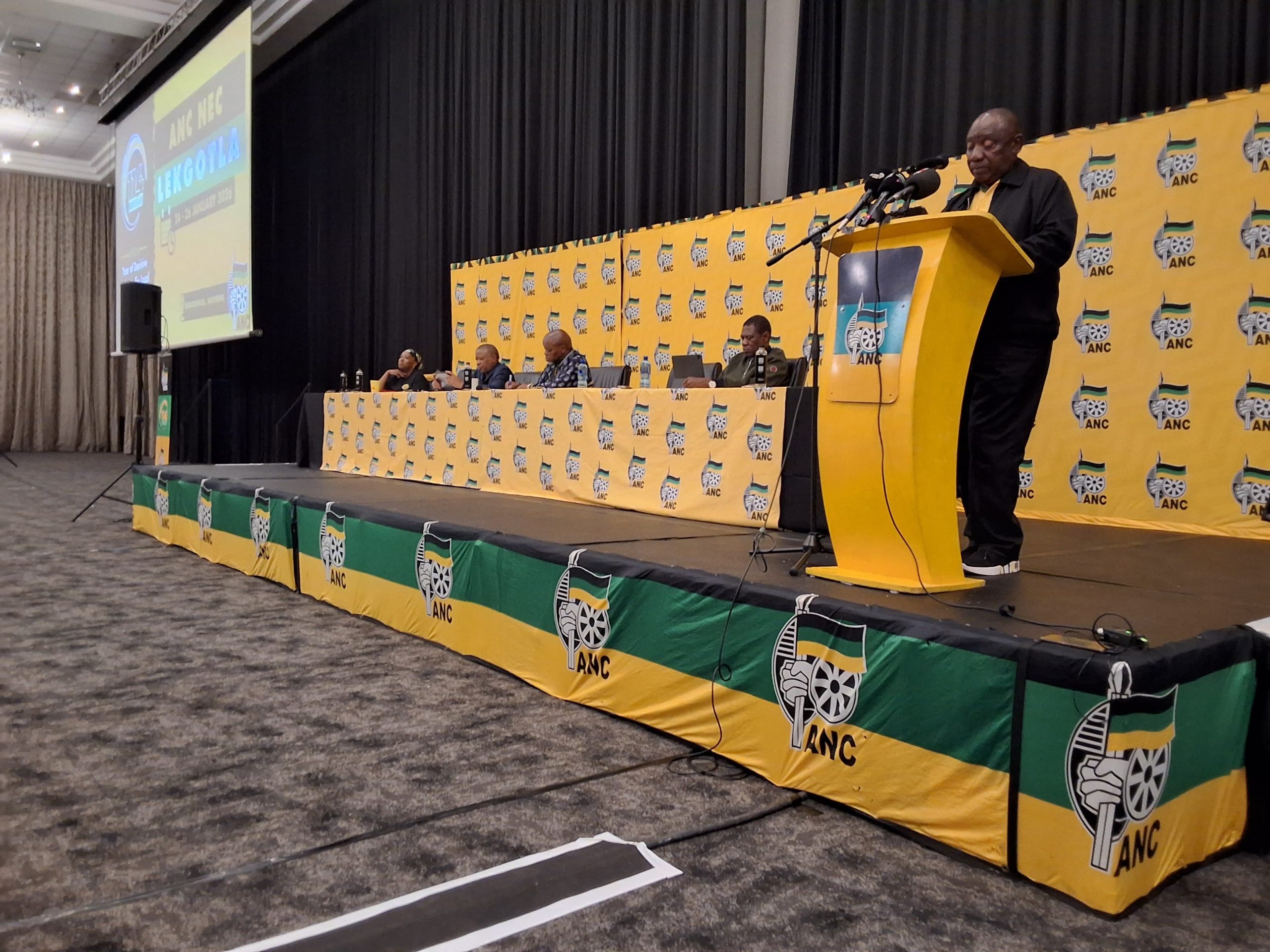
President Cyril Ramaphosa has defended his pro-capital policy direction, arguing that his approach does not amount to neoliberalism but is instead a necessary strategy to enable State-Owned Enterprises (SOEs) to fulfil their developmental mandate.
“It is often said that what we are doing is neoliberalism. That is not true. What we are doing is finding private capital to finance our developmental agenda,” the President said.
Ramaphosa pointed to the construction of several major national roads as examples of successful partnerships with the private sector that did not result in privatisation. He noted that key routes such as the N3 and N4 were developed through private-sector involvement but remain state-owned.
“When we built the N3 and the N4, the major arteries of our country, we brought in the private sector to improve those roads so that travel could be efficient. Those roads were not privatised. They remain the property of the people of South Africa,” he said. “Once the concession period ends, the entire road administration reverts to the state.”
The President added that Eskom and Transnet are among the SOEs that will require partial privatisation through concession-based arrangements.
“Enterprises such as Eskom, Transnet and others do not have the balance sheets to support large-scale development,” Ramaphosa said. “We are therefore bringing in the private sector on a concession basis to run certain aspects. This follows a build, operate and transfer model.”
He said these partnerships would unlock significant investment in logistics, rail infrastructure and electricity transmission, including plans to extend the transmission network by 14,000 kilometres.
“Through this approach, we are bringing massive investments into our logistics, rail systems and transmission infrastructure, with the private sector working alongside the state,” Ramaphosa said.