


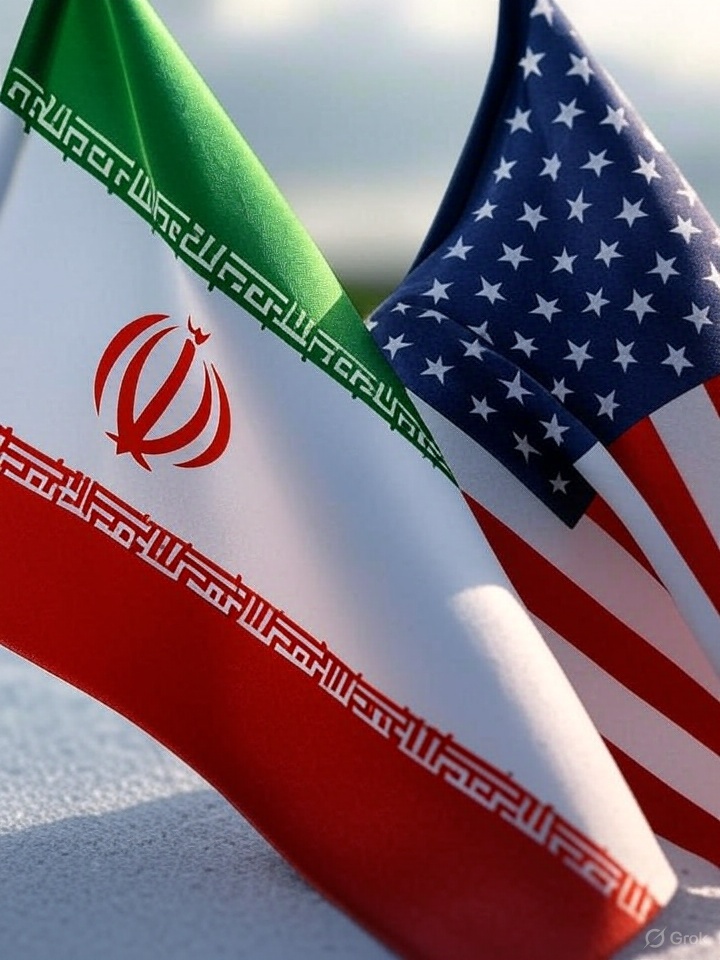
As the Middle East grapples with escalating tensions, President Cyril Ramaphosa’s recent call for dialogue and a peaceful resolution encapsulates the intricate balancing act South Africa is undertaking in maintaining its diplomatic ties with both Iran and the United States. This complexity resonates deeply within the geo-political landscape, especially as the country positions itself as a key player amidst escalating international conflicts.
Among the BRICS nations, South Africa enjoys cordial diplomatic relations with Iran, bolstered by a shared vision of multipolarity in international affairs. However, this friendship does not come without its challenges. Ramaphosa’s administration has openly condemned Israel’s actions in Gaza, leading to a historic International Court of Justice case alleging genocide against the Israeli state. In a bold move, Pretoria has cut diplomatic ties with Israel, a long-time ally of the US, and has formally downgraded its embassy, signalling a firm stance on the Gaza conflict.
Responses from the international community have varied, with some countries expressing support for Israel and others denouncing its operations in Gaza. The recent US military actions, including the obliteration of key nuclear sites in Iran, have exacerbated South Africa’s concerns and complexities regarding its foreign policy. Ramaphosa articulated these anxieties in a statement released shortly after the US’s aggressive stance emerged, emphasising that it is imperative for the United States to leverage its influence toward facilitating a dialogue-based resolution.
The President’s statement highlighted his hopes for US President Donald Trump to advocate for peaceful negotiations. “It was South Africa’s sincerest hope that President Donald Trump would use his influence and that of the US government to prevail on the parties to pursue a dialogue path in resolving their issues of dispute,” it read. Ramaphosa implored the US, Israel, and Iran to grant the United Nations a leading role in peace discussions, underscoring the necessity for inspection and verification of Iran’s uranium enrichment and nuclear capacity.
The message from Pretoria is unequivocal: South Africa seeks a balanced approach that upholds international norms while advocating for peace in an increasingly turbulent international arena. As tensions in the Middle East rise, all eyes will be on how South Africa navigates this complex diplomatic landscape and whether its calls for dialogue can resonate with the powers involved.