


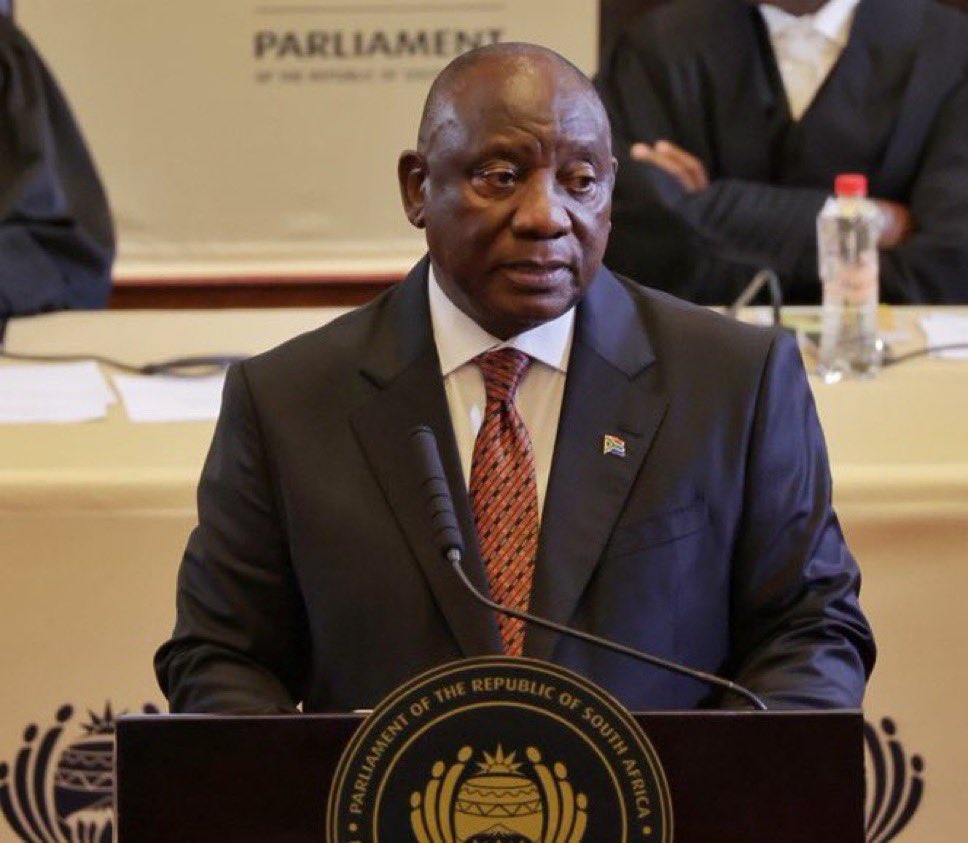
In an address marking the first State of the Nation (Sona) after the establishment of the Government of National Unity (GNU), President Cyril Ramaphosa unveiled an ambitious medium-term strategy aimed at revitalising South Africa’s fragmented service delivery systems. Against a backdrop of persistent challenges, he emphasised three key areas of focus that the government intends to prioritise: inclusive economic growth, the reduction of poverty, and building a capable state. These objectives come as a rallying cry to citizens grappling with inadequate public services amid escalating frustrations.
However, Ramaphosa’s declarations of commitment to elevate South Africa’s service delivery standards stood in stark contrast to the harsh realities faced by many municipalities. During his address, he acknowledged that numerous municipalities are struggling due to a lack of technical skills and have failed to adequately invest their revenues. “Many municipalities have not invested their revenue into the upkeep of the infrastructure,” he noted, adding that a comprehensive effort would be made to strengthen these essential services.
To address these complications, Ramaphosa pledged to pursue a “fit-for-purpose” framework for local government systems and to review current funding models for municipalities. He stated, “We will work with traditional leaders in the implementation of local programmes in ensuring that they continue their own work as our leaders of our people.”
In another significant commitment, the president announced the establishment of a R20 billion fund aimed at empowering small businesses. He expressed the urgency of this need, stating, “For many decades our economy has been held back by the exclusion of the vast majority of the South African people.” This fund is particularly targeted at black-owned enterprises, as Ramaphosa highlighted the historical injustices surrounding economic participation during the Apartheid regime.
Furthermore, he pledged to fast-track the implementation of the Public Procurement Act, ensuring that businesses owned by women, youth, and persons with disabilities receive equitable opportunities in government contracts. This initiative aligns with his broader objective of delivering a country free of corruption, emphasising the steps already taken to establish the Investigating Directorate Against Corruption within the National Prosecuting Authority (NPA).
On the housing front, Ramaphosa announced plans to provide 300,000 serviced stands to qualifying beneficiaries, thereby enabling the development of housing in well-planned, interconnected communities along key development corridors.
The president began his address with a poignant tribute to the 14 South African soldiers who tragically lost their lives while on a peacekeeping mission in the Democratic Republic of the Congo. “They lost their lives in defence of the fundamental right of the Congolese people to live in peace and security,” he remarked.
Looking beyond South Africa, Ramaphosa also spoke on the historic significance of hosting the G20 Summit in Africa for the first time, marking an opportunity to better address the needs of the continent within the global development dialogue. “Our G20 Presidency is a valuable opportunity for South Africa to advance efforts towards greater global economic growth and sustainable development,” he stated.
However, the optimism expressed in Ramaphosa’s address met with skepticism from some corners of the opposition. Masizole Mnqasela, representing the Alliance of Citizens for Change, called on the president to remain truthful during his delivery. He cautioned against insincere promises and urged the government to prioritise job creation and the pressing socio-economic challenges impacting communities. “The president must stop telling lies to the people of South Africa and work with the facts,” Mnqasela admonished, stressing the urgency of addressing issues affecting impoverished areas.