





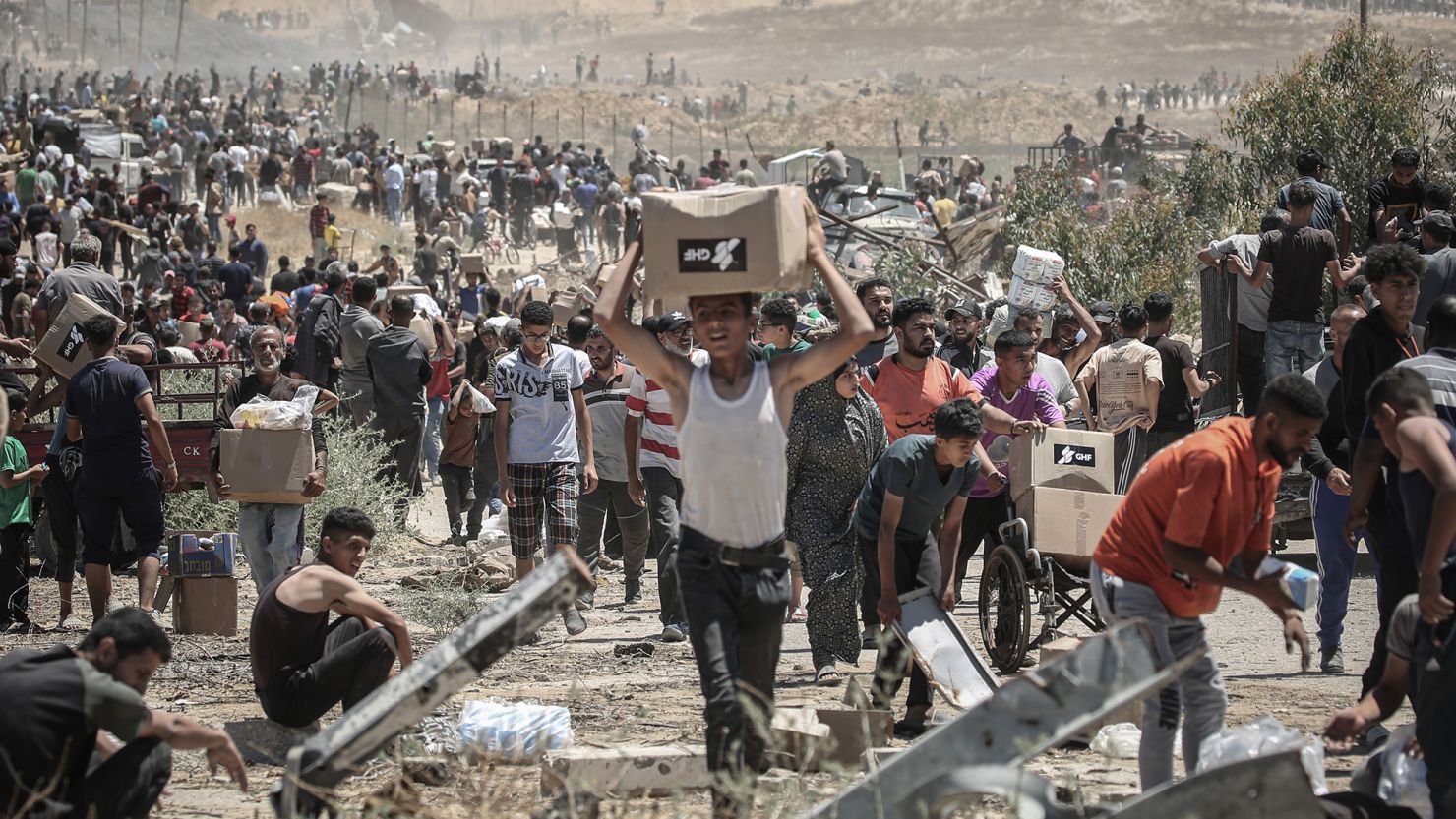
As the humanitarian crisis in Gaza deepens, a controversial new aid distribution system has come under intense scrutiny following the tragic deaths of dozens of Palestinians near aid distribution compounds. The most alarming reports have emerged from the Swedish Village compound in the south-west of the Gaza Strip, where at least 64 individuals have lost their lives while seeking vital assistance in just over a week.
The new aid regimen, introduced on 27 May, replaces the previously UN-managed system that delivered food and medical supplies from multiple points across the territory. Israel justifies the change by alleging that aid was being diverted to Hamas, although evidence to substantiate this claim has not been presented. Under the scheme, aid is now dispensed from four heavily militarised compounds, most of which are situated in Gaza’s remote southern region.
The situation reached a grim peak on Tuesday morning, where local officials and representatives from the Red Cross confirmed that 27 people had been killed at the al Alam roundabout, near the aid compound. The Israeli Defence Forces (IDF) stated that they opened fire on several ‘individual suspects’ who deviated from designated access routes and posed a threat to troops. Eyewitnesses, however, claim that many victims were simply trying to collect aid.
Footage verified by Sky News depicts the atmosphere of desperation as hundreds of Palestinians approached the distribution site, despite the risks of being caught in the crossfire. “I didn’t expect to see such a large number of people in the distribution area,” recounted one bystander on social media. “Tanks were firing at the ground […] to try to scare people,” he added, highlighting the chaos that ensued as people rushed to secure aid packages.
Critics, including UN officials and charity organisations, have called the new aid system dangerously flawed. Sam Rose, acting director of the United Nations Relief and Works Agency for Palestine Refugees (UNRWA), noted that the lack of order at distribution sites has fostered an environment of panic and confusion. Previously, aid was distributed systematically, helping to ensure that food and resources reached those who needed them most.
Contrastingly, under the current system, many aid-seekers arrive only to find that supplies are depleted within minutes or are told contradictory instructions about where and when to queue. Local complaints on WhatsApp highlight the disorderly nature of distributions, with messages revealing chaos and frustration. “I entered at the appointed time and found people upset, having gone in two hours early,” lamented one user.
This overarching disarray has led to further tragedies and ignited concerns about the adequacy of aid being provided. The Gaza Humanitarian Foundation (GHF), the new body responsible for aid distribution, has reportedly only managed to provide meals for 13% of Gaza’s population, even as its operations were designed to tackle starvation in a region where nearly two million are in dire need.
As the IDF continues to insist that they did not target civilians at the compound and produce their own footage alleging Hamas’s involvement, the gap between narratives only intensifies the humanitarian crisis. Eyewitness accounts and expert evaluations suggest that the GHF’s inability to manage crowds is placing countless lives at risk, raising urgent calls for a reassessment of how aid is delivered to one of the world’s most beleaguered regions.
The unfolding situation at the Swedish Village compound has become emblematic of the broader challenges facing aid distribution in Gaza. Without addressing the logistical failings of the current system and the long-standing conflict that has exacerbated these issues, the cycle of violence and despair is likely to persist.


