





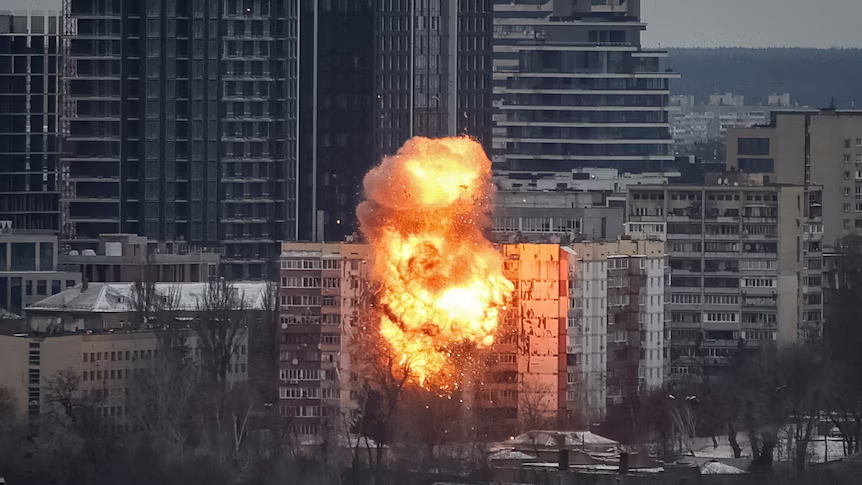
Russia unleashed one of its largest aerial barrages of the war on Ukraine overnight into Saturday, targeting Kyiv and other regions with hundreds of drones and dozens of missiles. The prolonged attack, lasting nearly 10 hours, struck energy infrastructure and civilian areas, causing widespread power outages amid freezing winter temperatures—just one day before Ukrainian President Volodymyr Zelenskyy is scheduled to meet U.S. President Donald Trump in Florida to discuss a potential peace framework.
Ukrainian officials reported that Russia deployed approximately 500 drones (primarily Iranian-designed Shahed models) and 40 missiles, including hypersonic Kinzhal and cruise types. Air defenses intercepted many, but impacts hit residential buildings and power facilities in the capital.
Explosions echoed across Kyiv as air raid alerts persisted, with bright flashes illuminating the skyline from interceptors engaging incoming threats.
At least two people were killed and up to 46 wounded, including children, according to local authorities. Hundreds of thousands lost electricity and heating, exacerbating hardships in sub-zero conditions.
President Zelenskyy condemned the strikes as Russia’s defiant response to U.S.-brokered peace initiatives. “This is how Russia ‘responds’ to efforts for peace,” he posted on social media, noting the timing ahead of his talks with Trump focused on territorial issues, security guarantees, and ending the nearly four-year conflict.


The Russian Defense Ministry described the operation as a “massive strike” on Ukrainian energy sites supporting military operations.
Ukrainian Retaliatory Strikes on Russian Targets
In response to ongoing Russian assaults on its grid, Ukraine continued long-range operations against Russian energy and logistics infrastructure. On December 25, Ukrainian forces used British-supplied Storm Shadow missiles to hit the Novoshakhtinsk oil refinery in Rostov Oblast—a critical fuel supplier for Russian troops—and drones targeted facilities in Temryuk port and an Orenburg gas plant. These actions aim to disrupt Russian oil revenues funding the war and weaken frontline logistics.
Broader Context
Ground fighting persists in eastern Ukraine, with slow Russian advances in Donetsk countered by Ukrainian tactical gains elsewhere. The latest barrage underscores escalating tensions as diplomatic efforts intensify, with Zelenskyy seeking robust security assurances in any deal.


