



The South African government has given its strongest assurance yet that ongoing differences with Ghana over migration issues will not affect its support for, or participation in, the campaign demanding reparations for colonialism and the transatlantic slave trade.
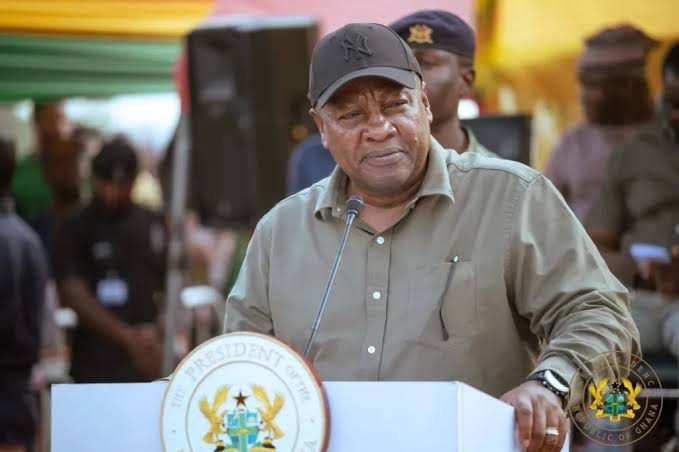
Ghanaian President John Dramani Mahama is championing the campaign, which has the backing and full participation of Caribbean nations.
On Thursday, the Minister in the Presidency, Khumbudzo Ntshavheni, a senior member of President Cyril Ramaphosa’s Cabinet, briefed the media in Pretoria and reaffirmed South Africa’s position. She said there is no doubt that Africans, including those in the diaspora, deserve compensation for the human rights violations they suffered at the hands of Western powers over centuries.
“Our support for the continental campaign to demand reparations for colonialism and the transatlantic slave trade is based on principle. It is rooted in the history of this country, as well as the acknowledgement that, globally, other people have been compensated for the harm they suffered,” said Ntshavheni.
She cited the Jewish people who were persecuted and murdered under Adolf Hitler during the Holocaust as an example of a group that later received compensation. She also referred to the establishment of Israel following the Second World War, noting the role played by the United Nations.
“The Jews were compensated for the Holocaust, but Africans were not compensated for the slave trade and the after-effects of colonialism,” she said, questioning what she described as inconsistencies in the application of international law.
Ntshavheni stressed that Ghana should not be viewed as acting alone, saying it was carrying a mandate on behalf of Africa and the African diaspora.
“It’s not only the people of Ghana or West Africa. It’s also the people of Namibia and our own people in South Africa. Our campaign is not based on misinformation,” she said.
“Africans deserve not only acknowledgement of the wrongs committed against them, but they also deserve compensation. It is for that reason that, in our own country, we are addressing the injustices of the past, including apartheid and colonialism.”
She pointed to South Africa’s transformation agenda as an example of domestic redress, including land reform, employment equity measures aimed at previously disadvantaged groups, and Black Economic Empowerment policies designed to increase the participation of black-owned businesses in the economy.