


The South African Human Rights Commission (SAHRC) is set to release a highly anticipated report on Monday morning detailing its findings from an in-depth investigation into persistent scholar transport challenges in the North West province.
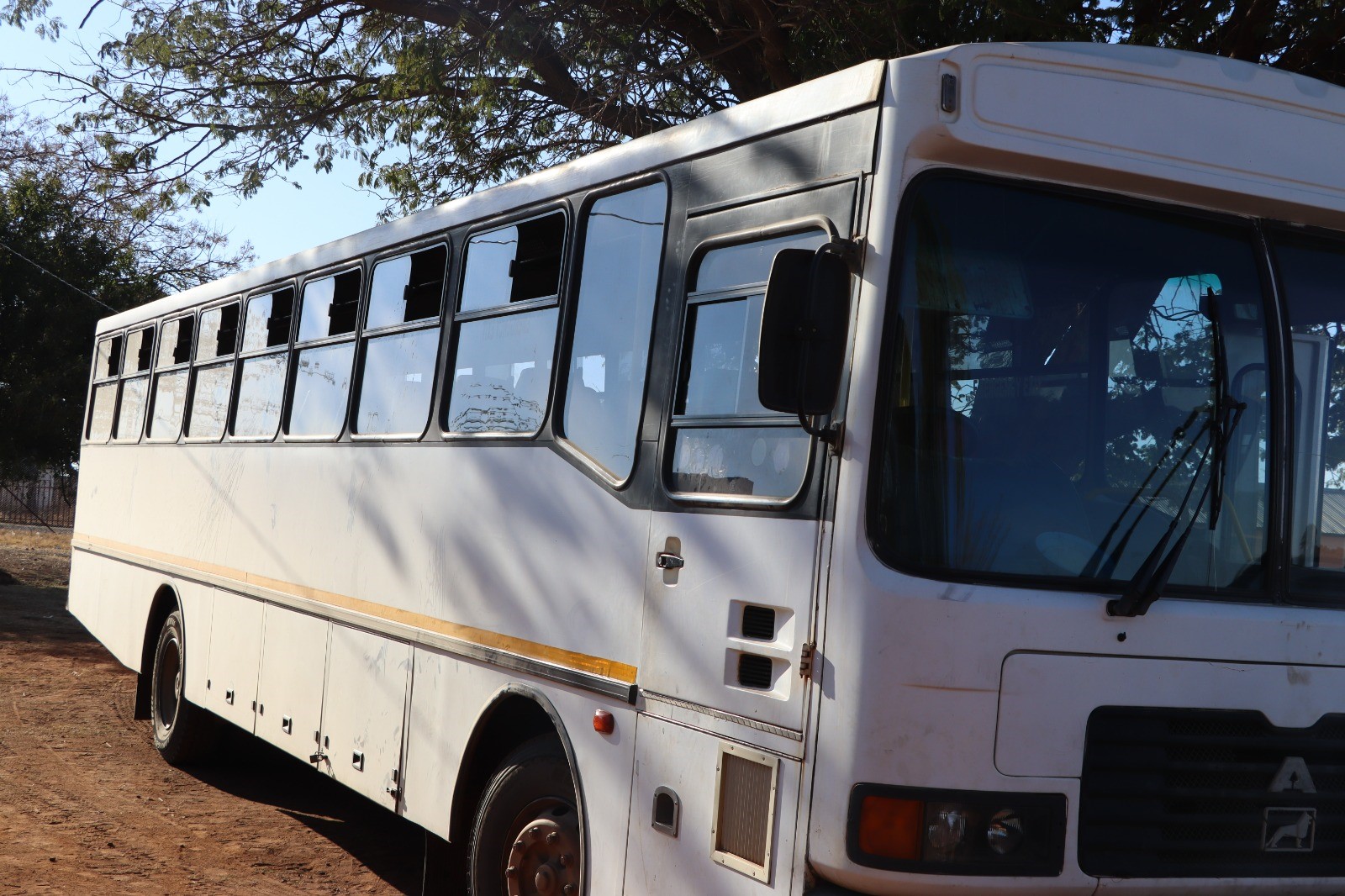
The probe, launched in early 2025, was triggered by a flood of complaints highlighting systemic failures that have undermined learners’ constitutional right to basic education. These include the use of unroadworthy and unsafe buses, frequent no-shows by transport providers leaving children stranded and missing school hours, and chronic non-payment to service providers by government departments, leading to widespread service disruptions.
Hearings were held in Mahikeng, where key stakeholders—including teacher unions, civic organisations, the North West Department of Education, and the Department of Community Safety and Transport Management (COSATMA)—presented oral and written submissions. The multi-stage inquiry, which included initial sessions in March 2025 and follow-up proceedings, examined the extent of these issues, particularly in rural and underprivileged communities where reliable transport is often nonexistent.
The forthcoming report is expected to expose loopholes in the current scholar transport system and put forward concrete recommendations to resolve the crises. These could include measures to enforce vehicle roadworthiness standards, improve payment processes to contractors, enhance monitoring mechanisms, and ensure equitable access for all learners.
The SAHRC’s intervention underscores broader concerns about how inadequate scholar transport has contributed to absenteeism, learner fatigue, and violations of basic rights in the province. Officials have described the problems as systemic, with previous oversight revealing cases of buses lacking brakes, batteries, fuel, or proper seating.
The report’s release comes amid ongoing calls for accountability and national-level reforms to scholar transport policies. It will be made available through official SAHRC channels, including their website, and is likely to prompt renewed scrutiny of provincial departments’ performance in safeguarding children’s education.