




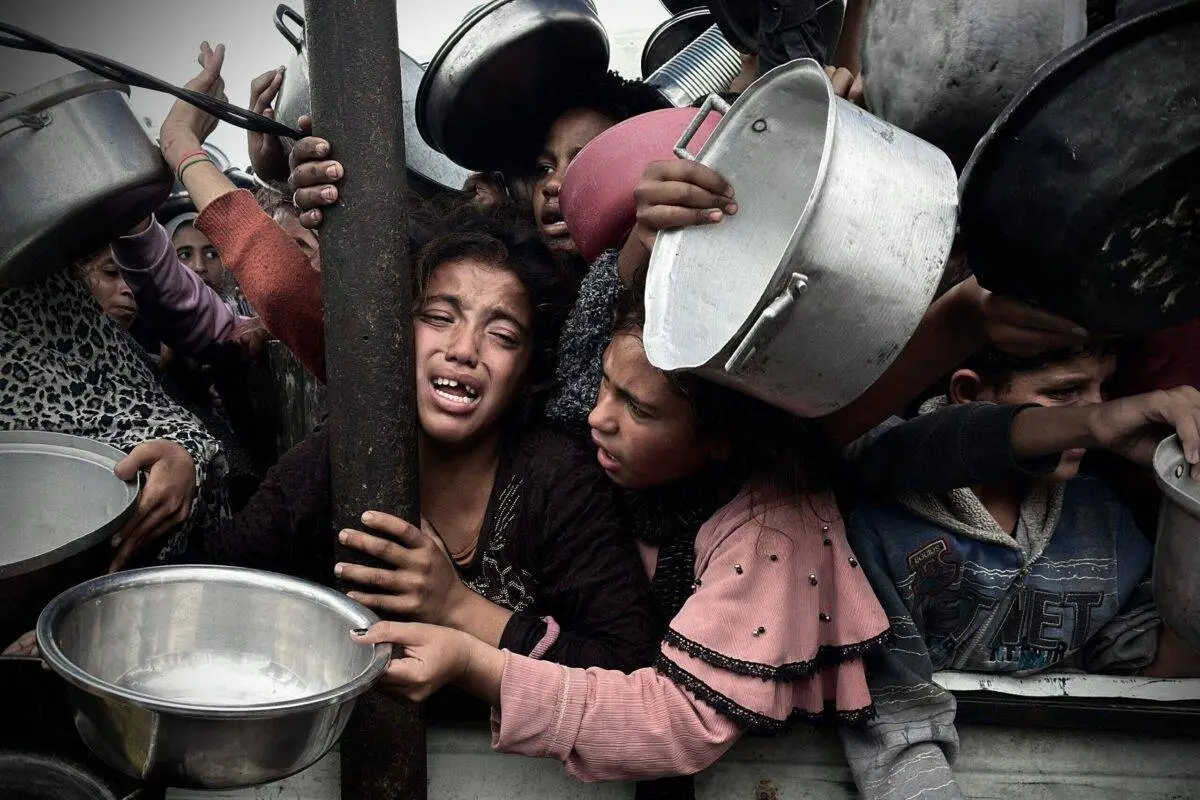
In a heart-wrenching revelation following a recent visit to the Gaza Strip, Ajith Sunghay, head of the UN Human Rights office for the Occupied Palestinian Territories, painted a grim picture of desperation and suffering as large groups of women and children scavenge among mounds of rubbish in search of food. Speaking from Jordan during a Geneva press briefing, Sunghay expressed his alarm over the growing prevalence of hunger, which plagues even central Gaza, an area where humanitarian agencies have deployed their teams.
“Acquiring basic necessities has become a daily, dreadful struggle for survival,” Sunghay lamented, highlighting the catastrophic conditions confronting those already vulnerable in the conflict-ridden enclave. His visit to camps housing individuals who were displaced from northern Gaza illuminated the horrendous realities on the ground—severe food shortages coupled with poor sanitation in what he called a dire humanitarian crisis.
In a stark call for action, Sunghay stressed, “It is so obvious that massive humanitarian aid needs to come in – and it is not. It is so important the Israeli authorities make this happen.” Despite the urgent need, he did not specify when the last delivery of aid occurred in northern Gaza, where an estimated 70,000 individuals remain stranded due to repeated impediments or outright rejections of humanitarian convoys by Israeli authorities.
This crisis comes against the backdrop of heightened military operations launched by Israel following a deadly attack by the militant group Hamas in October 2023. Since the commencement of these military efforts, Israeli authorities have maintained that their activities in northern Gaza are essential to prevent militants from regrouping and launching further attacks. Consequently, their restrictions on aid are ostensibly framed within a security context.
Adding to the complexities of the situation, US Secretary of State Antony Blinken and Defence Secretary Lloyd Austin outlined steps that Israel must undertake to address the ongoing humanitarian crisis. They warned that failure to comply could affect the substantial military aid the US provides to its ally. In a recent statement, the US State Department concluded that Israel was not currently obstructing aid efforts and thus was not violating US law, a finding that raises further questions about the reality on the ground.
Israel’s governing agency for aid, Cogat, maintains that it facilitates the entry of humanitarian supplies into Gaza, instead placing scrutiny on UN agencies regarding the efficiency of aid distribution. However, incidents of looting have exacerbated the crisis, with reports indicating that nearly 100 food aid trucks were raided on November 16 alone.
“The women I met had all either lost family members, were separated from their families, had relatives buried under rubble, or were themselves injured or sick,” recounted Sunghay, describing the accounts of despair shared by those he encountered. The stories of loss were palpable and overwhelming, leading many to plead desperately for a ceasefire—an urgent plea echoing across the conflict-stricken landscape of Gaza.