


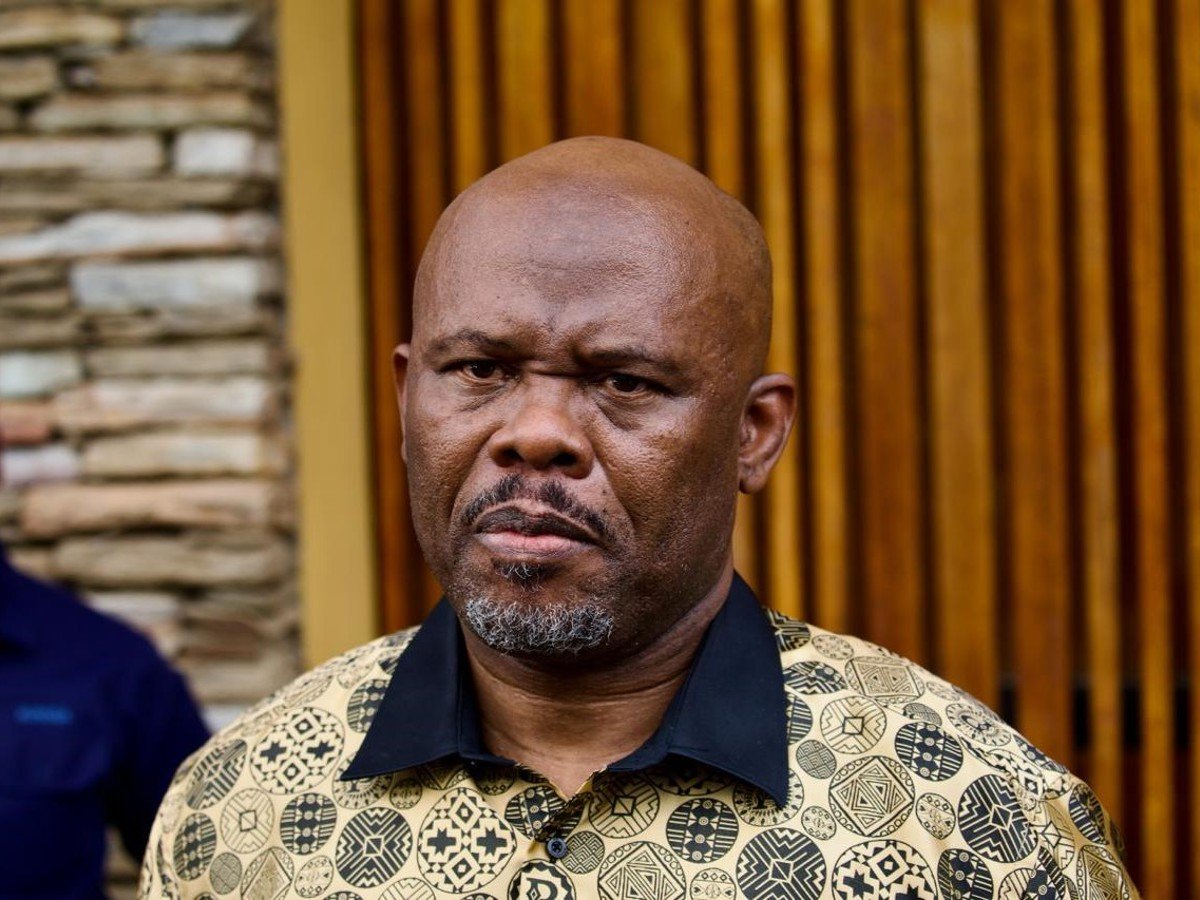
Shadrack Sibiya, the suspended Deputy National Commissioner of Crime Detection, re-entered the parliamentary chamber this morning, marking the beginning of his testimony concerning grave allegations surrounding his involvement in the disbandment of the KwaZulu-Natal Political Killings Task Team (PKTT). The proceedings, which originally began at 11am, faced delays due to a potential conflict of interest involving MK party member David Skosana, who has lodged criminal charges against Sibiya himself.
As the evidence leader, Norman Arendse SC, outlined, Sibiya’s testimony will delve into several pivotal themes, including the minister’s directive to disband the PKTT, the subsequent removal of dockets associated with the task team, and broader allegations of political interference and factionalism within the police force. These issues are part of a larger inquiry into the dire state of law enforcement in South Africa, first brought to light by KwaZulu-Natal police commissioner Lieutenant General Nhlanhla Mkhwanazi during blistering comments made at a press conference in July.
The anticipation around Sibiya’s testimony has been palpable, particularly after previous hearings raised alarming questions about the internal dynamics of the South African Police Service (SAPS). During the initial discussions today, Sibiya expressed concerns regarding Skosana’s involvement, citing it as a “conflict of interest”, highlighting the charged atmosphere within the chamber.
“As far as I am concerned, it’s a conflict of interest,” Sibiya stated, urging the committee for clarity so that he and his legal team could proceed with full knowledge of the ongoing discussions regarding Skosana.
The committee chairperson, Soviet Lekganyane, confirmed that the matter would be addressed with the Speaker’s office, reflecting the procedural convolutions embroiled in today’s hearings. Following this, Sibiya was granted a brief recess to consult with his legal team before proceeding to testify, further emphasising the intricate legal landscape surrounding these proceedings.
The questioning around potential conflicts has surfaced across party lines, particularly involving members of the Democratic Alliance (DA). With Lisa Schickerling, previously part of the committee, unable to participate due to a criminal complaint she lodged against Mchunu, the committee’s composition continues to shift as they navigate the complexities of such allegations. The MK party, too, faces challenges, with discussions ongoing about Skosana’s representation and the implications for other party members.
Today marks the first significant opportunity for Sibiya to publicly address the allegations and counter the narrative that has emerged following the disbandment of the PKTT. Sibiya has been accused of relocating key dockets under the directive alleged to have been issued under dubious pressures. Last week’s testimonies from both Mkhwanazi and National Police Commissioner General Fannie Masemola raised eyebrows, showcasing a deep-seated mistrust within the organisation itself, with both officials voicing their opposition to Mchunu’s order.


