





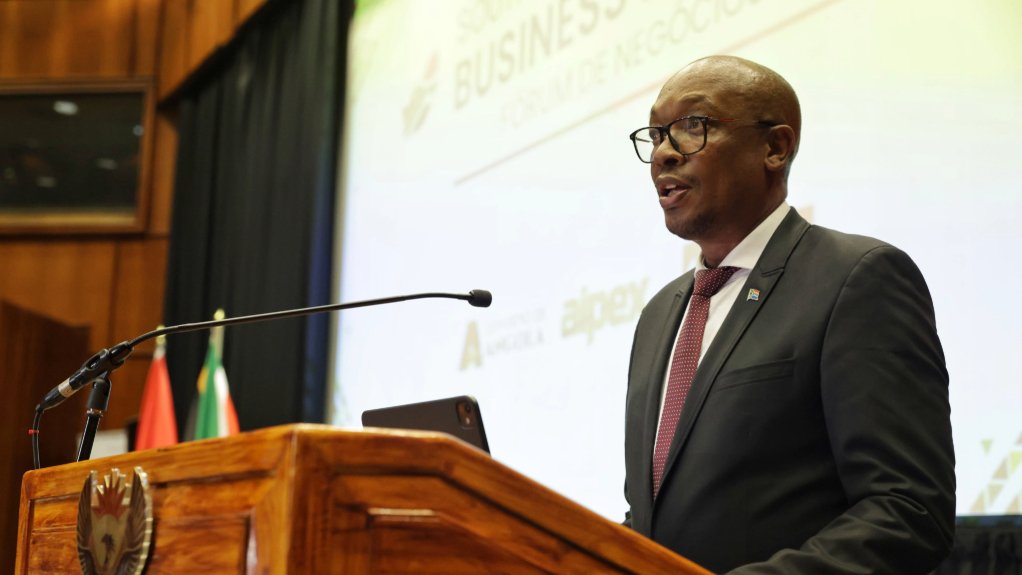
South Africa’s Trade and Industry Minister Parks Tau has stepped up negotiations with US trade officials this week in a bid to secure a more favourable trade deal, following previous increases in tariffs by the Trump administration. His recent discussions with United States Trade Representative Ambassador Jamieson Greer and members of Congress signal a renewed commitment to balancing trade relations between the two nations.
The meeting came after three days of intensive talks among senior officials, underlining the urgency of South Africa’s efforts to negotiate lower tariffs that were imposed by President Donald Trump in August. The export-driven South African economy has felt the pinch from these higher duties, prompting Pretoria to proactively seek a resolution.
In mid-August, South Africa tabled a revised trade offer to the US, presenting some concessions aimed at addressing Washington’s concerns for a more balanced trade partnership. Despite this willingness to negotiate, South Africa maintains a firm stance on not compromising its domestic and foreign policies to secure a deal, reiterating that negotiations will focus solely on economic matters.
This latest offer extends the initial proposal submitted in May, and while much of the content remains under wraps, certain details have emerged, indicating a significant investment of $3.3 billion into various US industries, including mining and metals recycling. Additionally, discussions are underway to review US regulations regarding imports of poultry, pork, and blueberries.
“Both parties agreed to a roadmap that will inform future engagements towards the conclusion of the process,” stated Trade and Industry spokesperson, Kaamil Alli. This roadmap aims to outline the steps necessary to foster a productive dialogue moving forward, with the hope of reaching an agreement that benefits both economies.
As Minister Tau prepares to brief South African President Cyril Ramaphosa on the outcome of these discussions, the stakes are high for both nations. The outcome of these negotiations could significantly influence South Africa’s economic landscape and its relations with one of its most vital trading partners.


