
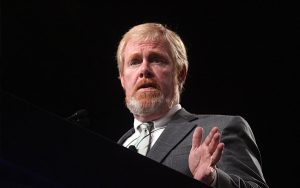



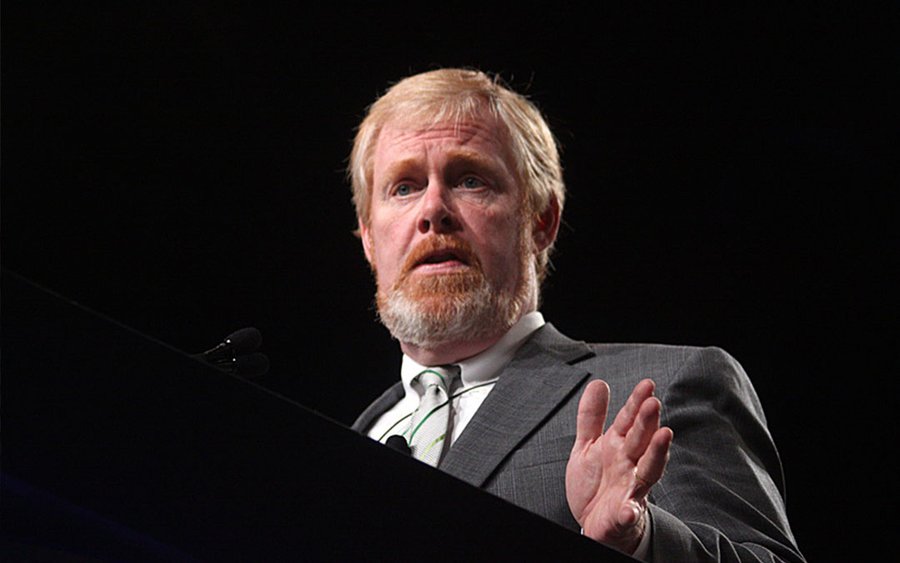
The United States Senate has confirmed conservative media activist and commentator Leo Brent Bozell III as the next U.S. ambassador to South Africa, filling a post that had remained vacant for nearly a year amid a sharp deterioration in bilateral relations.
The confirmation vote, held on Wednesday, followed Bozell’s nomination by President Donald Trump in March and a contentious confirmation hearing before the Senate Foreign Relations Committee in October. After advancing through several legislative stages, the nomination was approved largely along party lines as part of a broader package of Trump administration appointees.
Bozell assumes the role at a moment of historic strain in U.S.–South Africa relations, driven by disputes over Pretoria’s foreign policy posture, land reform and affirmative action policies, and its case against Israel at the International Court of Justice (ICJ).
Background and Controversies
Bozell is the founder and president of the Media Research Center, a conservative watchdog organization focused on what it characterizes as liberal bias in U.S. media. He has no prior diplomatic experience, and his nomination drew criticism due to his outspoken opposition to the African National Congress (ANC) during the apartheid era, when he aligned with U.S. conservatives who viewed the ANC as closely tied to Soviet interests.
During his October confirmation hearing, Bozell said that, if confirmed, he would press South Africa on several key issues, including its non-aligned foreign policy and relationships with Russia, Iran, and China. He also called on Pretoria to drop its ICJ genocide case against Israel, describing the action as an “injustice” that complicates efforts to find common ground. In addition, he raised concerns about what he described as “unjust racial discrimination” against white Afrikaners.
When questioned by Democratic senators, Bozell declined to directly affirm or reject President Trump’s claims of a “genocide” against white farmers in South Africa, stating that he was “not a lawyer” and could not address the legal definition. He nonetheless cited reports of thousands of attacks on white farmers and voiced support for efforts to assist Afrikaners he said were facing racial persecution, including through potential refugee resettlement in the United States.
Broader Diplomatic Context
The ambassadorship has been vacant since January 2025, when Reuben Brigety resigned ahead of President Trump’s second inauguration. Since then, the U.S. embassy in Pretoria has been led by Acting Head of Mission David Green.
Relations have further deteriorated over the past year. In March 2025, the United States expelled South Africa’s ambassador to Washington, Ebrahim Rasool, after he publicly criticized President Trump and accused the administration of promoting white supremacy. Rasool has not been replaced. The Trump administration has also sharply reduced foreign aid to South Africa, including funding for HIV/AIDS programs, while prioritizing a refugee initiative for white Afrikaners—steps Pretoria has described as being based on misinformation.
Additionally, the United States largely boycotted the 2025 G20 Summit hosted by South Africa in Johannesburg and has indicated that South Africa will not be invited to U.S.-hosted G20 events in 2026.
South African officials have rejected allegations of systemic persecution of white citizens as unfounded and have characterized recent U.S. actions as interference in domestic affairs. President Cyril Ramaphosa and Foreign Minister Ronald Lamola have emphasized South Africa’s sovereignty while expressing openness to continued dialogue.
Analysts warn that Bozell’s confirmation could further strain cooperation on trade, public health, and global issues. While South Africa has not yet publicly responded to the appointment, his confirmation underscores the significant challenges facing the bilateral relationship in the period ahead.


