
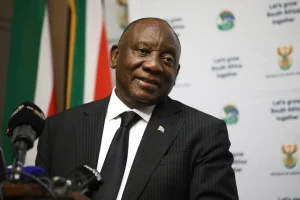





South Africa has officially been removed from the grey list of the Financial Action Task Force (FATF), signalling that the country has successfully addressed the bulk of deficiencies in its anti-money-laundering (AML) and counter-terror-financing (CFT) framework.
What’s changed
- The FATF cited South Africa’s sustained improvements in 22 action items originally set when the country was placed under increased monitoring in February 2023.
- Key reforms include tighter oversight of beneficial-ownership registers, stronger sanctions for financial crimes, and more robust prosecution of complex money-laundering cases.
- An on-site assessment by the FATF’s Africa Joint Group confirmed the reforms were in place and sustainable, clearing the way for delisting at the October plenary.
Why it matters for business and the economy
- Being grey-listed typically raises transaction costs, increases due-diligence burdens on banks and firms, and can deter foreign capital. Analysts say removal may improve access to cross-border finance and ease funding costs.
- For South Africa, the delisting is a confidence signal: it demonstrates the country’s financial-crime controls are now aligned with global standards, which could strengthen its appeal as an investment destination.
- Domestic regulators and enforcement agencies — including the Financial Intelligence Centre (FIC) and Financial Sector Conduct Authority (FSCA) — also benefit from the validation of their reform efforts and may garner broader support for further initiatives.
What business should keep in mind
- Firms still need to maintain vigilance: delisting does not mean the risk of financial crime disappears — the FATF emphasised that sustained enforcement and monitoring remain essential.
- For sectors such as trade-finance, cross-border payments and correspondent-banking, the reduction in “risk premium” could lower fees, speed up transactions and reduce friction in international relationships.
- Corporates and financial institutions should use this milestone as impetus to review their AML/CFT processes, especially around beneficial-ownership disclosure, transaction monitoring and complex-crime indicators.
What lies ahead
While the delisting is a milestone, analysts caution that South Africa must maintain momentum — especially in prosecuting senior-level money-laundering cases — to avoid slipping back into high-risk category.
For now, however, the business community is breathing a sigh of relief. The removal from the FATF list marks a key step in South Africa’s financial-system rehabilitation and could pave the way for improved capital flows, strengthened regulatory credibility and enhanced global financial ties.


