


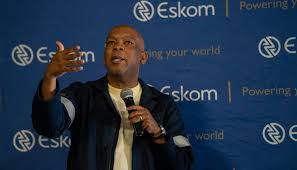
Electricity has become simply unaffordable for many households in South Africa.
This is according to the country’s electricity minister Kgosientsho Ramokgopa who addressed the media alongside Joburg Mayor Dada Morero.
The minister said over and above ending loadshedding, the government will have to find a way of accommodating the poorest of the poor.
“ So we are sitting with two big problems and the City Power Johannesburg episode isjust a manifestation of a bigger problem. Electricity is unaffordable.We can’t continue along this tariff path. We are getting to a situation here in the country where we see newdimensions of energy poverty. The households today as I speak to you will not be able to afford the cost of electricity,” said Ramokgopa.
He said while electricity is essential in the preparation of meals, often families find themselves having to decide whether to buy a few units or get food with the little money at their disposal.
“We can have a conversation about the points that Chris was raising. Even if you are to hear that electricity is very expensive. So poor households have to make choices between aloaf of bread or buying the units, prepaid units,
The government already gives poor households ( commonly referred to as indigents) free electricity of up 50 kWh of free electricity which has been proven to not be enough.
He said the situation could still worse as small businesses are also feeling the pinch with some closing down as a result.
“We are getting to a situation where industriesthat have got electricity as a dominant input cost are becoming increasingly uncompetitive. We have seen what the smelters are going through and that has resulted in the decimation of jobs in thatparticular sector of our economy. And you can mention a number of sectors of the economy and it’s got an inflationary impact,” warned Ramokgopa of the crippling effects of the country’s energy problems.
He said his department has initiated a review process of the pricing model to try and mitigate against the effects of high electricity costs.
“So I mean things are becoming very expensive as a result of electricity. So what we are doing as a ministry is to review the electricity pricing policy. Otherwise people won’t have access to electricity.You won’t have load sharing, you won’t have loadreduction but people will not be able to afford the electricity,” said Ramokgopa.
The country’s energy situation is expected to be a major talking point ahead of the next local government elections scheduled for next year.