


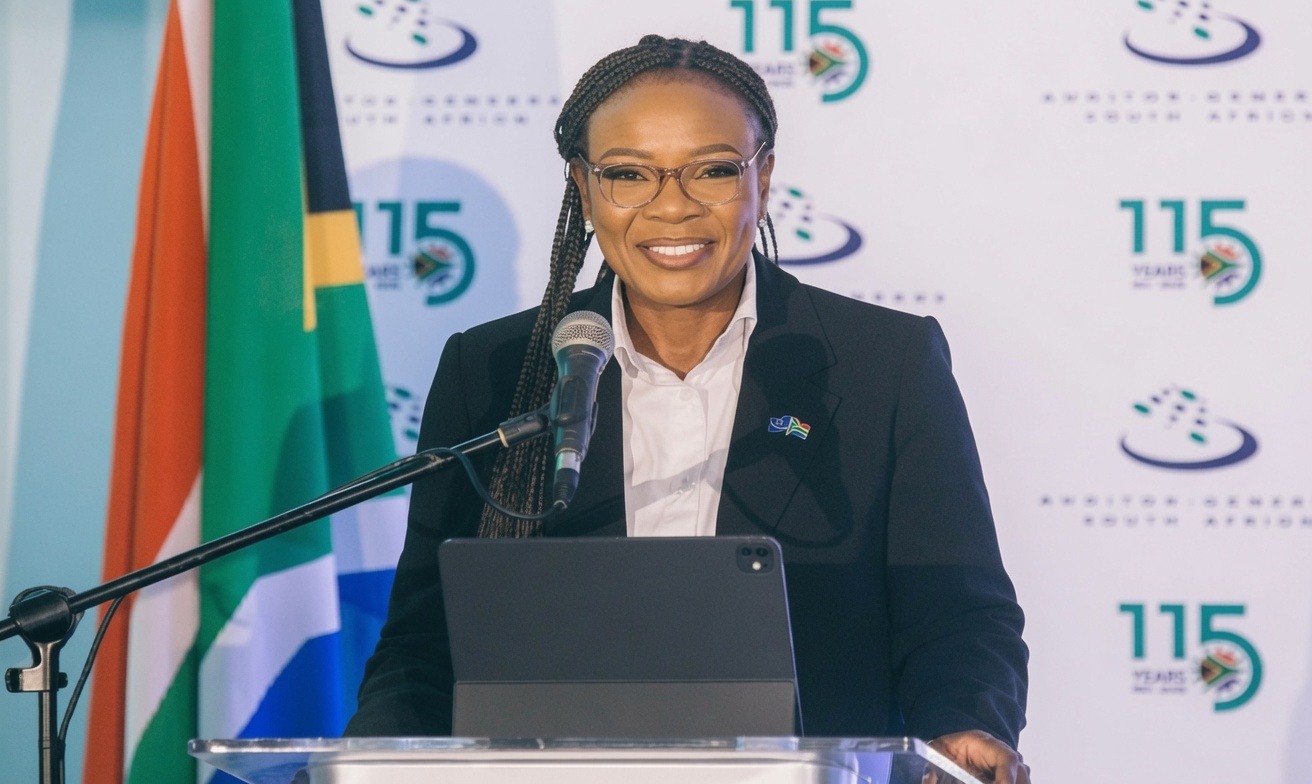
South Africa’s municipalities are showing early signs of a broader governance and financial management crisis, despite isolated improvements in reporting compliance, according to Auditor-General Tsakani Maluleke.
Briefing Parliament’s Cooperative Governance and Traditional Affairs Portfolio Committee on the 2024/25 audit outcomes, Maluleke warned that structural weaknesses in local government are undermining service delivery and long-term financial stability.
While municipalities have improved in submitting financial statements on time — reaching a 98% compliance rate — this has not translated into stronger governance outcomes. Instead, audit results show increasing reliance on consultants, rising procurement failures, and deteriorating financial controls.
Maluleke highlighted that more than 225 municipalities spent approximately R1.6 billion on consultants to prepare financial statements, reflecting persistent skills shortages within local government. She said this dependence has become entrenched rather than corrective, pointing to ongoing capacity failures.
Despite national improvements in audit submission timelines and a reduction in disclaimer opinions, the Auditor-General warned that underlying weaknesses remain widespread. Only a small number of municipalities continue to drive negative audit outcomes, but these are often repeat cases requiring urgent intervention.
The City of Johannesburg was singled out as needing sustained attention due to declining financial health and weakened institutional arrangements, while the City of Cape Town also recorded a regression from previous clean audit outcomes, largely due to procurement and compliance issues.
Maluleke cautioned that unless oversight bodies and the executive address these systemic challenges, municipalities risk further erosion of financial accountability and service delivery performance across the country.