

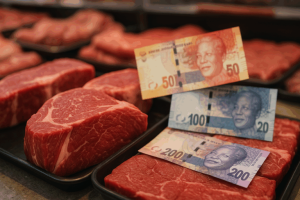


In a surprising twist that underscores the fragility of South Africa’s current political landscape, the presentation of the national budget has been postponed until further notice. Speaker of the National Assembly, Thoko Didiza, announced the delay on Wednesday, citing a lack of agreement among the ruling African National Congress (ANC) and its coalition partners—a situation unprecedented in the three decades since the end of apartheid.
This year, the ANC finds itself in a precarious position, grappling with a loss of its parliamentary majority following last year’s elections. In order to pass the national budget, the party must secure support from other political factions. The Democratic Alliance (DA), its main partner in the coalition government formed after the elections, has emerged as a significant obstacle. The DA has opposed the ANC’s proposal to incrementally raise the value-added tax (VAT) by two percentage points, prompting the coalition tension that led to the budget’s postponement.
No prior budget proceedings have ever encountered such a delay in the post-apartheid era, a fact that Didiza firmly highlighted as she addressed the assembly. The implications of this postponement reverberate beyond politics; South Africa’s economy is already feeling the strain. Following the announcement, the rand extended its losses in the trading market, dipping as much as 1% against the dollar, reflecting investor concerns about the nation’s fiscal stability.
This budget, which is central to the government’s economic strategy, is not just a measure of fiscal policy but a litmus test for the ANC’s ability to navigate its newfound coalition politics. The pressure is mounting as the government must find common ground amid differing political priorities and economic challenges, all while striving to restore public confidence in its financial governance.
With the suspension of budget talks, South Africa’s economic future hangs in the balance. Stakeholders are urged to monitor developments closely, as the consequences of continued political stalemate could impact the country’s recovery trajectory.


