



The Director-General of the World Health Organisation (WHO), Dr Tedros Ghebreyesus, has warned that the effects of climate change are also having a significant impact on the health sector.
Ghebreyesus was addressing a media briefing at the United Nations Climate Change Conference (COP31) in Antalya, Türkiye.
“The climate crisis is a health crisis.
“The effects of climate change on the atmosphere, polar ice caps and sea levels are serious and significant, but for many people, they are distant threats.
“But the health impacts of climate change are not a theoretical risk for the future; they are here and now.
“Climate change is already driving illness, disrupting essential services and putting health workers at risk.
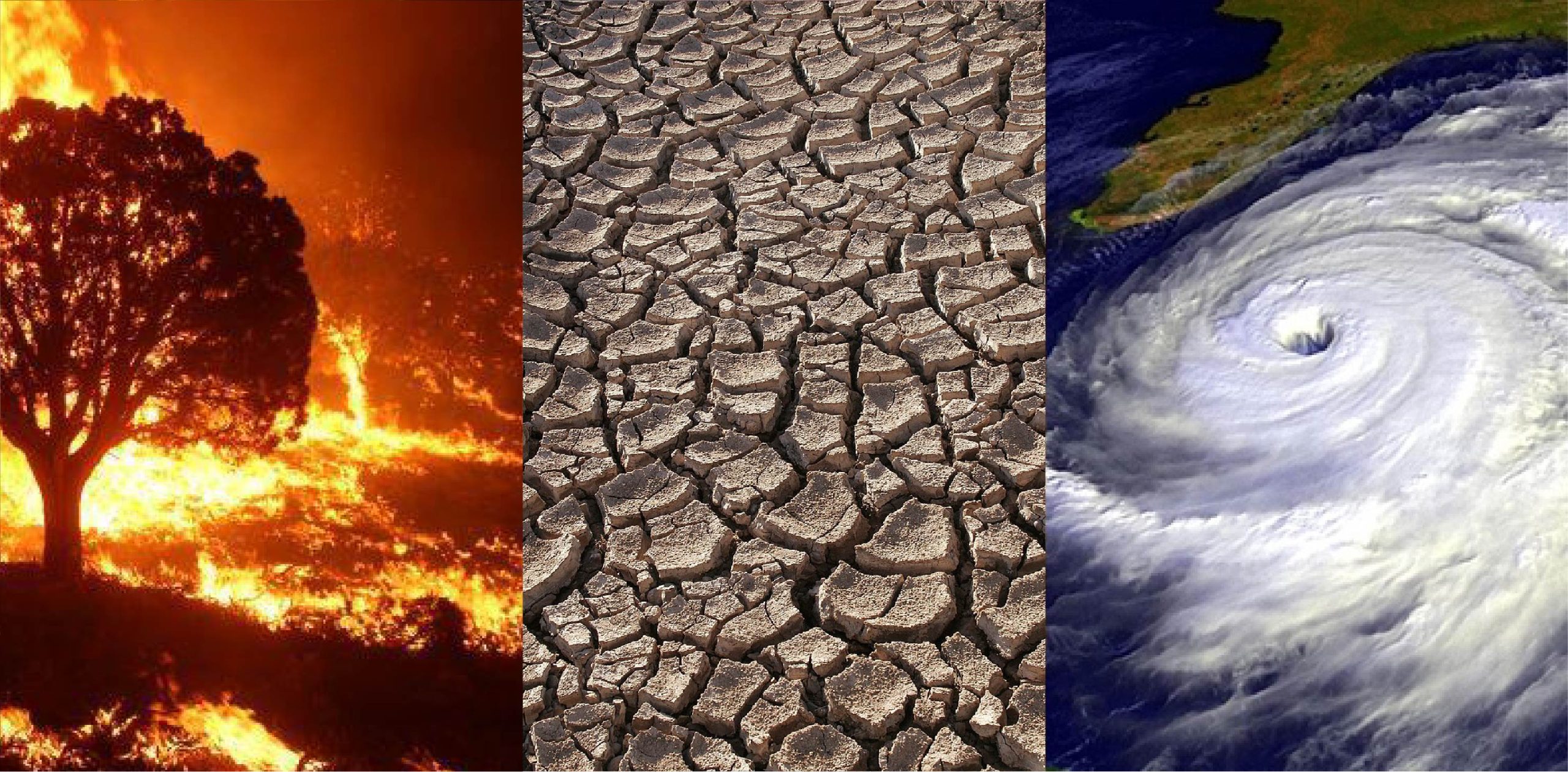
“Heat, floods, drought, wildfires and air pollution are arriving at the doors of clinics and hospitals,” cautioned Ghebreyesus.
Ghebreyesus urged world leaders and stakeholders attending the summit to prioritise human health as a central focus of climate negotiations. He warned that the crisis is worsening disease outbreaks and increasing the burden of heart and lung conditions, cancer and asthma, among other health problems.
The Director-General emphasised that the health sector must always be prepared to respond to climate-related disasters, adding that these emergencies can place considerable strain on healthcare services.
“First, health systems must be ready before the shock arrives. That means facilities that can continue operating through heatwaves, floods and storms.
“Second, countries must move from plans to implementation. Countries know many of the measures that work.
“What is missing too often is the finance, capacity and coordination needed to apply them at scale,” explained the Director-General.
He further said that the burden of the health impacts of climate change cannot be left to ministries of health alone, stressing the urgent need for cooperation across government departments.
“Ministries of Health, Finance, Environment and Energy must plan and budget together and incorporate health into national adaptation plans and nationally determined contributions. We must finance what works.
“A new WHO analysis shows that proven climate and health measures can save lives, reduce emissions and strengthen economies,” added Ghebreyesus.
He reminded delegates that climate action should not simply be viewed as a cost, but rather as ‘an investment in healthier people, more resilient communities and stronger economies’.
The United Nations noted that COP31 is being held against a backdrop of record-breaking temperatures, escalating climate impacts and growing energy insecurity. The conference presents a critical opportunity for countries to accelerate climate action and strengthen international cooperation.

